 In the old stones
The cathedral of Santa Maria
A Romanesque cathedral at Anagni, from the eleventh century.
Free — nothing to pay
Just turn up
See the day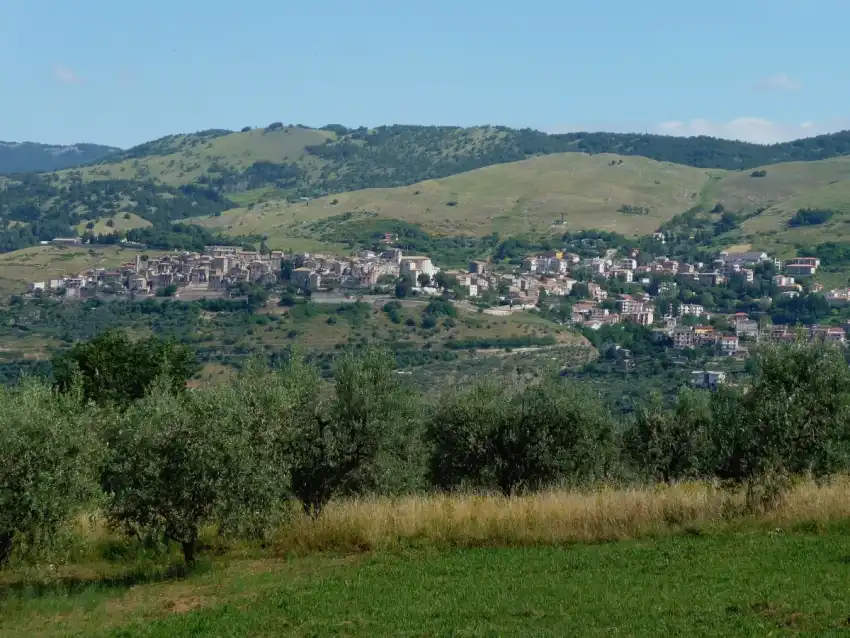
Ciociaria
The corner of Lazio that gave the church a run of medieval popes, grows Cesanese, and has cyclopean walls older than anybody can properly date.
53 days out16 placesthe nearest is a 1 h 01 drive from Rome
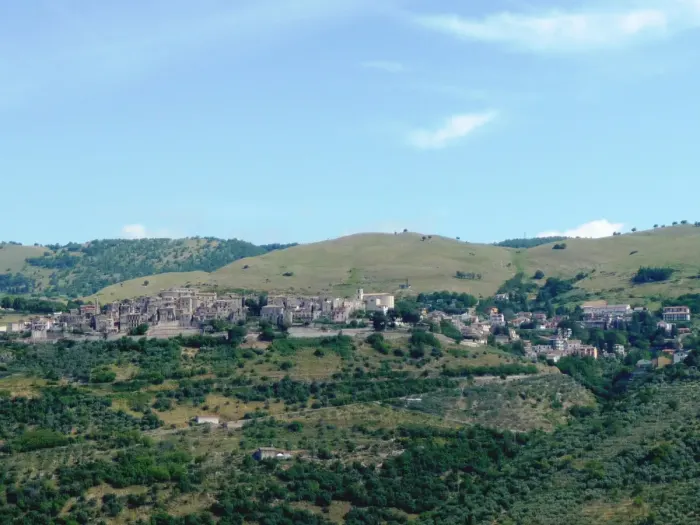
The Ciociaria is the country between the Lepini and the Abruzzo mountains, an hour or so south-east of Rome, and it is the least-visited part of the region within that distance. It is also the part with the most history stacked up in it.
Anagni was where the popes went in the thirteenth century; the cathedral crypt is frescoed floor to ceiling and usually empty when you walk in, and usually empty when you walk in. Alatri's acropolis stands on polygonal walls fitted without mortar, with a gate whose single lintel stone weighs about as much as a locomotive. Veroli, Fumone and Collepardo sit on their own hills nearby, and the Trisulti charterhouse hides in a fold of the Ernici mountains with a frescoed pharmacy inside it.
Then there is the wine. Cesanese is the red of Lazio and it comes from the hills around Piglio and Olevano, from small producers who are used to visitors turning up.
And Fiuggi, whose water has been taken as a cure for centuries and is still bottled and still taken seriously.
The reason to come is the ratio. Every one of these towns would be busy if it were fifty kilometres nearer the coast, and none of them are: you can stand in a completely frescoed medieval crypt or walk a circuit of prehistoric walls with nobody else in sight. That is a rarer thing within an hour of Rome than it ought to be.
Build the day in layers rather than as a list. A town in the morning — Anagni for the crypt and the papal palace, Alatri or Ferentino for the walls — a Cesanese estate in the early afternoon, and either the caves or a sulphur pool to finish. The distances between those are ten or twenty minutes, which is what makes this direction work as a single day rather than three half-days.
The far end of the province, towards Collepardo, Falvaterra and Cassino, is a longer drive and a different day: mountains, a charterhouse, a sinkhole in a wood, and caves with rivers you wade through. Worth an early start rather than an afternoon.
Anagni, Ferentino, Alatri, Veroli, Fumone, Collepardo, Fiuggi. Hill towns an hour to an hour and a half south-east, with more history stacked up in them than visitors to look at it: a papal palace, cathedrals and crypts, cyclopean walls, museums, sulphur springs, and vineyards on the slopes underneath.
Closest to Rome first. Never by who pays us.
In the old stonesA Romanesque cathedral at Anagni, from the eleventh century.
Free — nothing to pay
Just turn up
See the day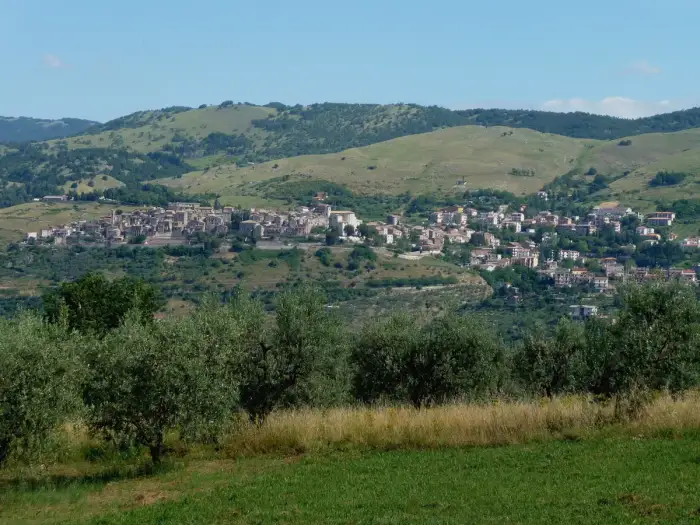 In the old stones
An archaeological site at Anagni.
Free — nothing to pay
Just turn up — open air, any hour
See the day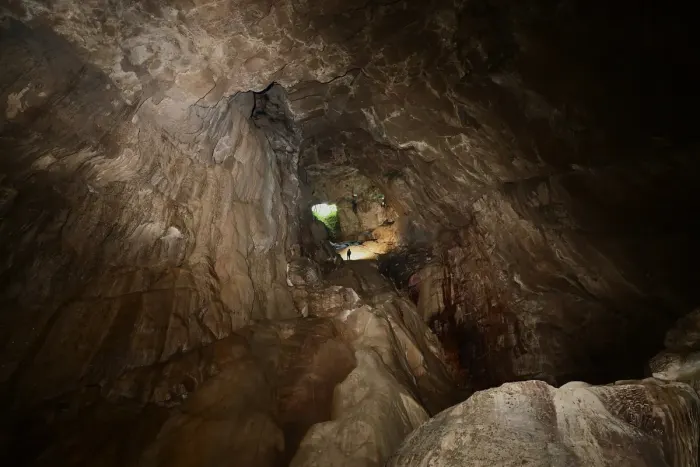 Under the ground
A guided visit to the cathedral of Santa Maria Annunziata at Anagni and its museum: the chapter library, the old treasury, the Caetani chapel, the oratory of Saint Thomas Becket…
See the day
On the trailAn archaeological museum at Anagni built to cover the whole surrounding district rather than the town alone, telling the earlier and less known history of a place mostly visited…
See the day
On the trailThe papal palace in the old centre of Anagni, where the confrontation between Boniface VIII and Philip IV of France ended in 1303 with the episode Dante calls the outrage at Ana…
See the day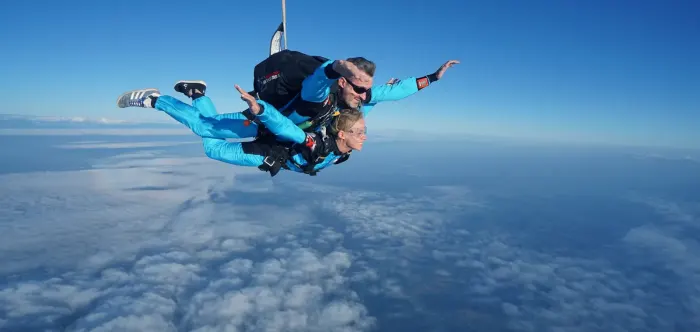 In the air
A tandem flight in a powered parachute trike - a paraglider wing over a three-wheeled cart - flown by an instructor who has held the two-seat rating since 2017.
See the day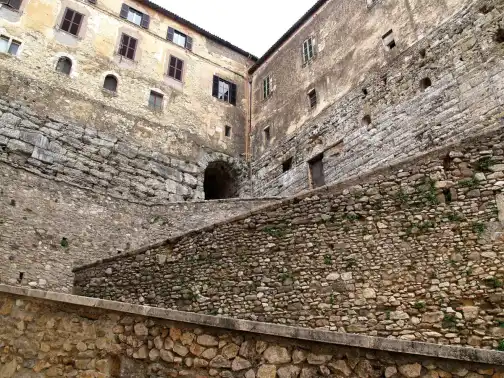 In the old stones
A Romanesque church at Ferentino, from the ninth century.
Free — nothing to pay
Just turn up
See the day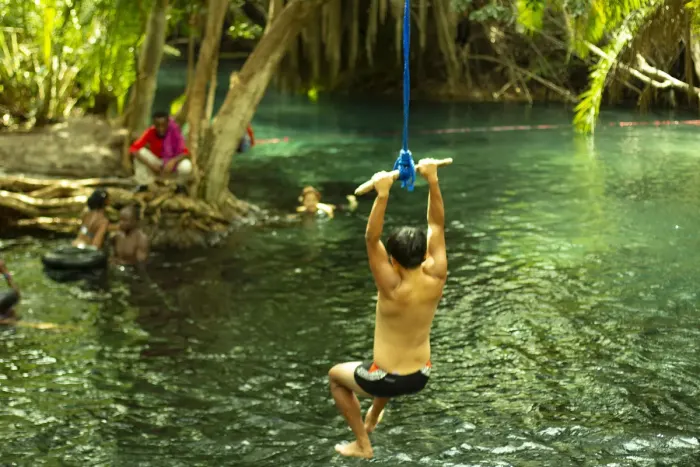 In the hot water
The medical side of the Ferentino thermal centre: inhalation cures for the respiratory system, treatments for the locomotor system and rehabilitation, using the sulphurous water…
See the day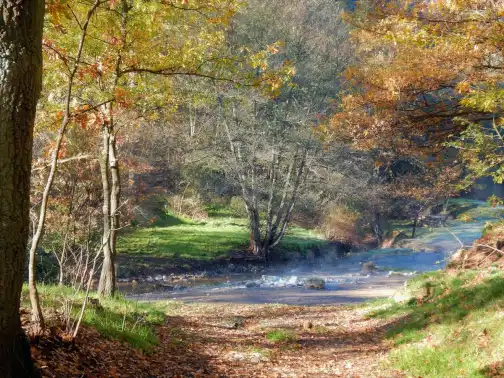 In the hot water
A thermal day spa at Ferentino built on a sulphurous hot spring.
See the day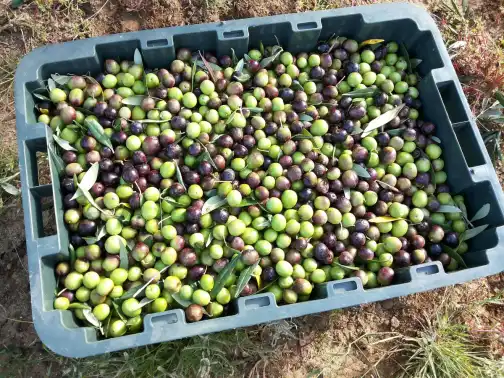 With your hands
A cookery lesson at a wine estate in Piglio in which participants learn to make pasta dough from stone-ground soft wheat flour.
See the day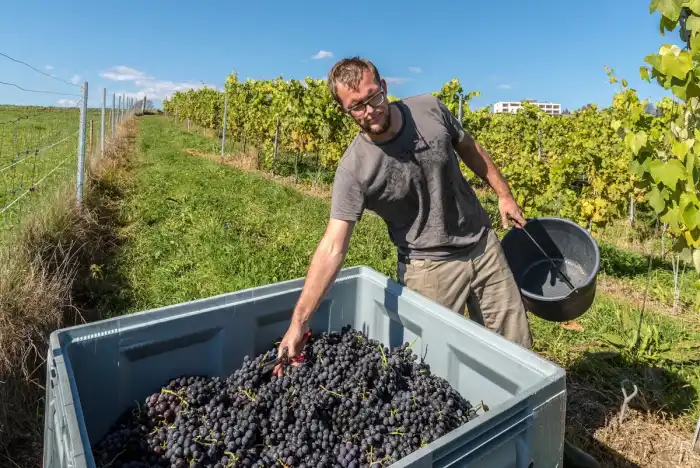 With your hands
A picnic set out among the vineyards of a Piglio wine estate.
See the day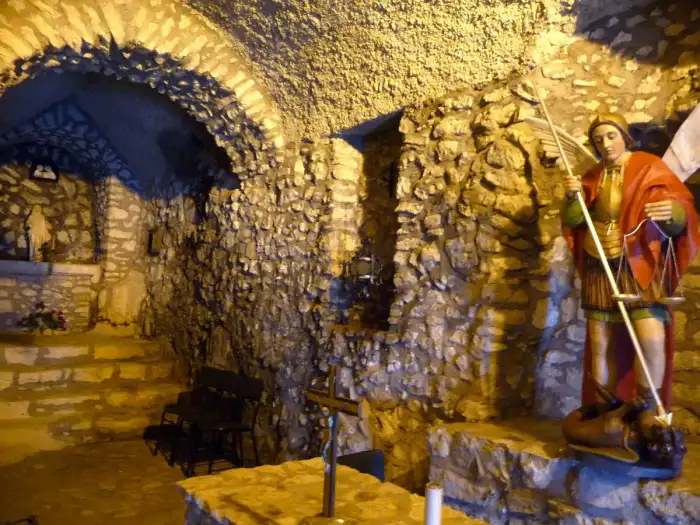 In the air
A tandem paragliding flight from a take-off at 930 metres on Monte Scalambra, above Serrone in the province of Frosinone.
A sports club — you join them for the day
See the day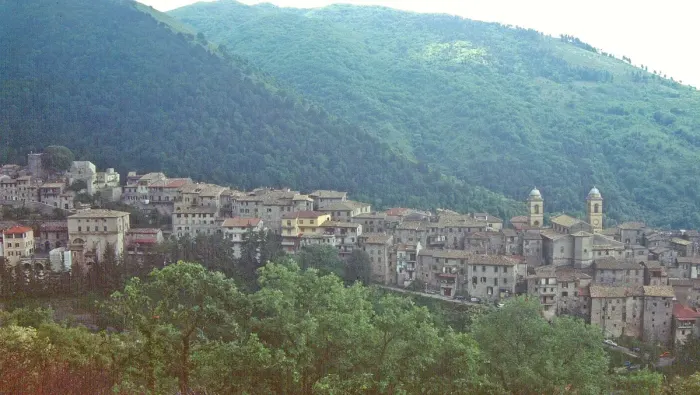 With your hands
A board of local products to share at the Pileum winery in Piglio, with wine by the glass or the bottle charged separately.
See the day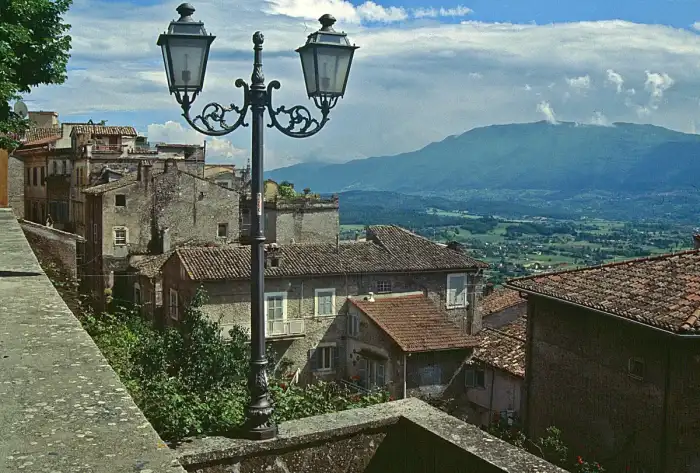 With your hands
A tasting menu at the restaurant inside the Pileum winery in Piglio, in five or seven courses, with an optional pairing of three of the estate's wines.
See the day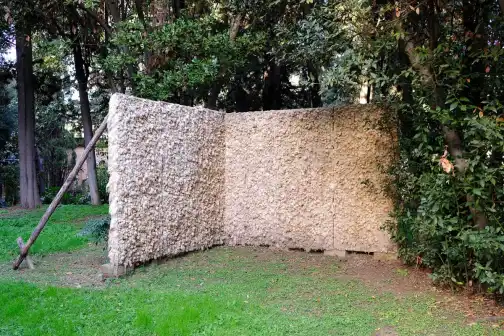 With your hands
The weekend version of the Pileum cellar tour: a visit to the vineyard and cellar followed by a five-course tasting menu in the estate restaurant with three wines.
See the day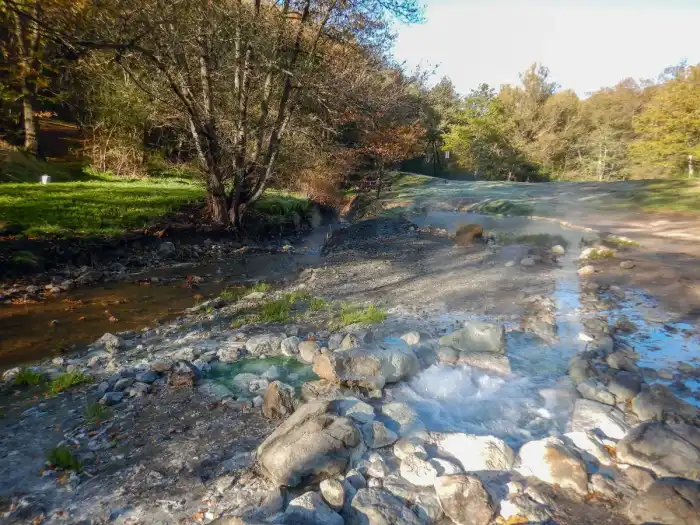 In the hot water
The second thermal park at Fiuggi, also called Fonte Nova, laid out among sequoias, chestnut trees, small bridges, ponds and flower beds.
See the day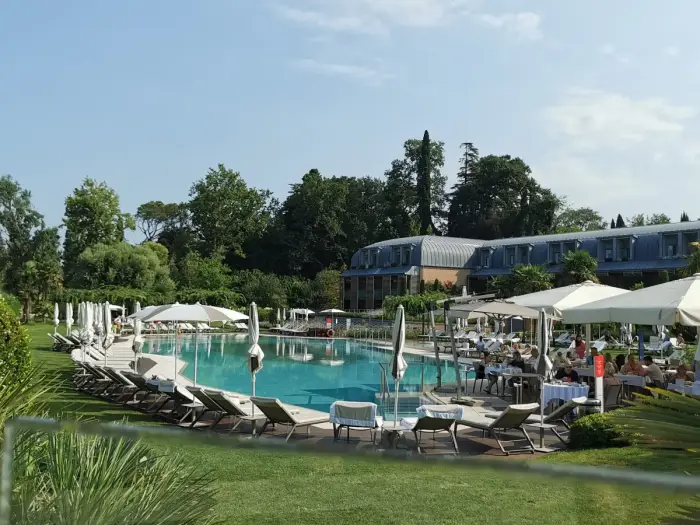 In the hot water
The thermal park in the middle of Fiuggi, built around the Bonifacio VIII spring in buildings designed by Luigi Moretti with curved volumes and open porticoes.
See the day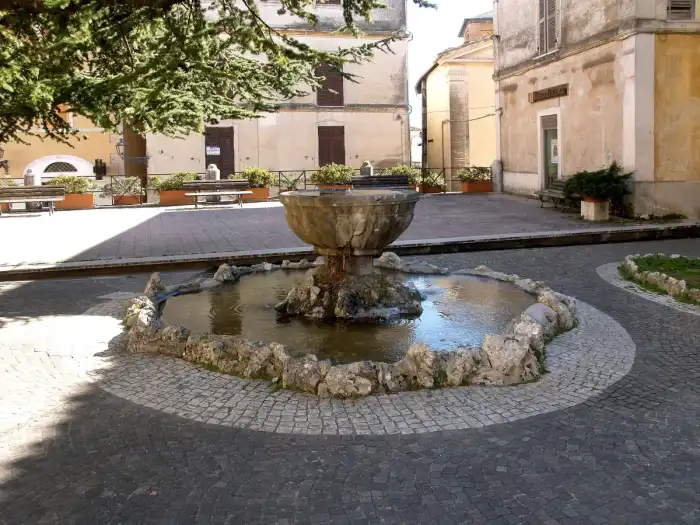 On the trail
A visit to a Cistercian abbey at Veroli.
See the day
On the trailA working eighteenth-century library, given to Veroli in 1773 by Monsignor Vittorio Giovardi: about 16,000 volumes, ten illuminated parchment manuscripts from the twelfth to the…
See the day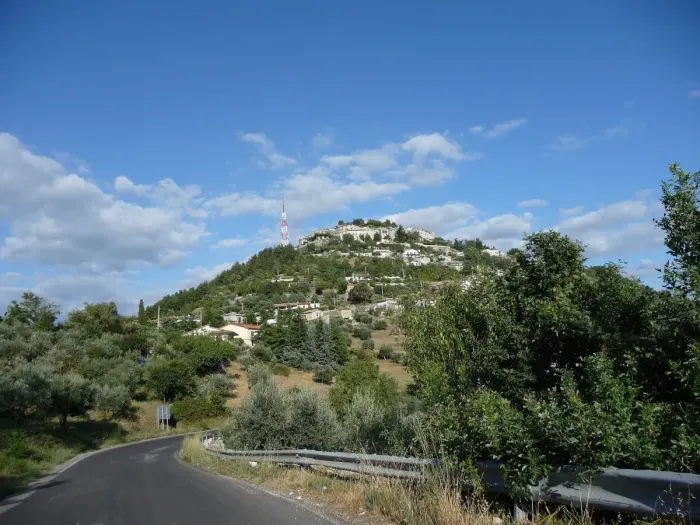 On the trail
A guided tour of a medieval fortress above the Sacco valley, entered through the Roman and the Neapolitan gates.
See the day On the trail
The civic collection in the Palazzo Municipale, whose original core goes back to the first half of the twelfth century: ex-votos of the fourth and third centuries BC from Antera…
See the day On the trail
A permanent display of early twentieth-century Ciociaria domestic life, set up in the Sala degli Armigeri of the old palace and curated by Marisa Igliozzi: the wrought-iron bed …
See the day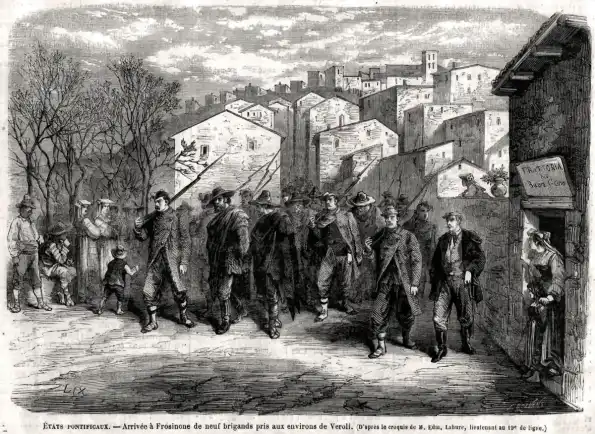 On the trail
A material museum of the agro-pastoral world and of the trades that were practised in the workshops of the town, built from material collected over about twenty years across the…
See the day
On the trailSamples of native herbs of the Ernici mountains, each identified by family, genus and species under the Linnaean system, alongside a permanent display of old instruments and med…
See the dayPiglio, Olevano and the hills between them, and a handful of cellars further south towards Arce. Small estates, high vineyards, and a grape almost nobody outside the region has heard of — which means the tastings are unhurried and the people pouring are usually the people who grew it.
Best fit for this section first, then whatever you can book today. Closest to Rome breaks a tie. Never by who pays us.
With your handsAn organic estate at Colletonno, near Anagni, producing Cesanese del Piglio DOCG.
See the day
With your handsThe estate produces Cesanese del Piglio DOCG and takes visitors for a tasting and direct sales on site.
See the day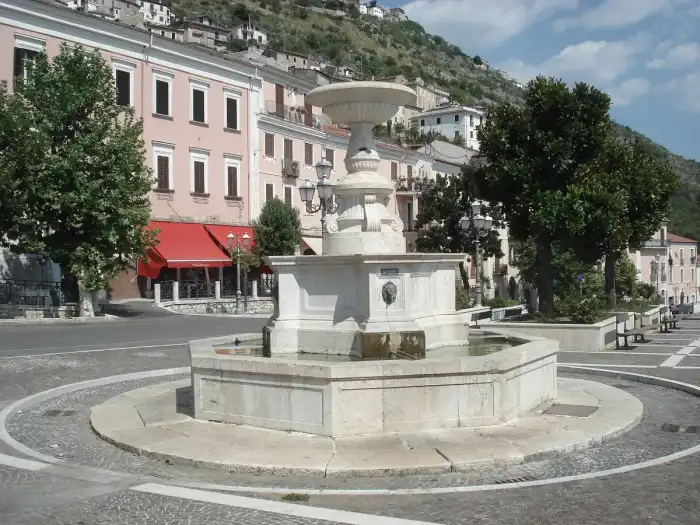 With your hands
A fixed-menu lunch or dinner of Ciociaria dishes - antipasto, first course, main with a side, fruit and dessert - with four matched glasses of the estate's biodynamic wine, wate…
See the day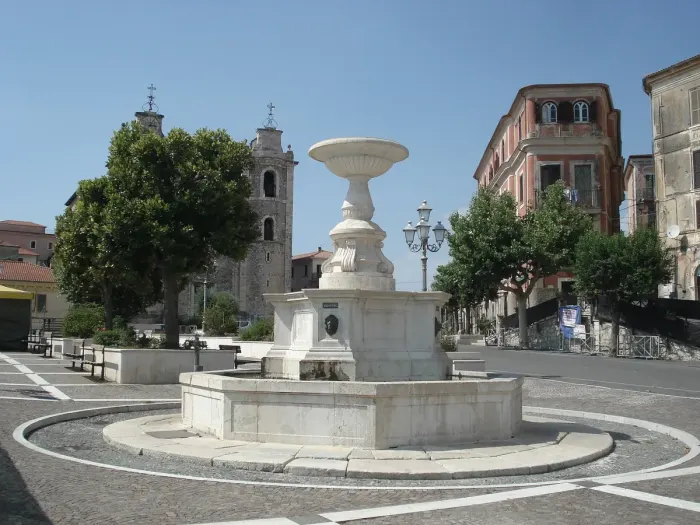 With your hands
A member of the estate walks you through the vineyards and the cellar of a biodynamic producer working local native grapes in the medieval centre of Arce, and you taste the wine…
See the day
With your handsA forty-hectare organic estate of vines, olive groves and coppice on the hills at Anagni, producing Cesanese del Piglio DOCG and Passerina del Frusinate along with extra virgin …
See the day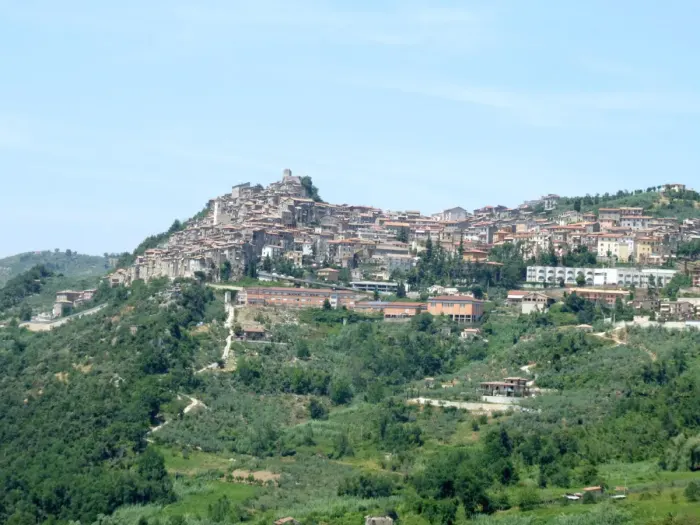 With your hands
A visit to the vineyards and cellar at Olevano Romano followed by a tasting of the estate's premium Tenuta al Campo wines with dry savoury snacks, plus its own extra-virgin oliv…
See the day
With your handsA visit to the cellar of a wine estate in Piglio, in the Cesanese del Piglio DOCG area, with a tasting of the estate's wines.
See the day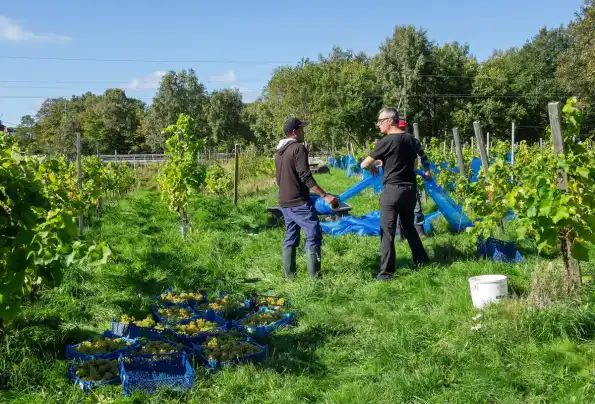 With your hands
An organic estate in Piglio that produces Cesanese del Piglio DOCG from Cesanese di Affile grapes.
See the day
With your handsA tasting of four wines from the current vintages at the Pileum cellar in Piglio, in the Cesanese del Piglio DOCG area.
See the day
With your handsA walk through the vineyard and the cellar at Piglio, followed by a tasting of four wines from the current vintages paired with a plate of local products.
See the day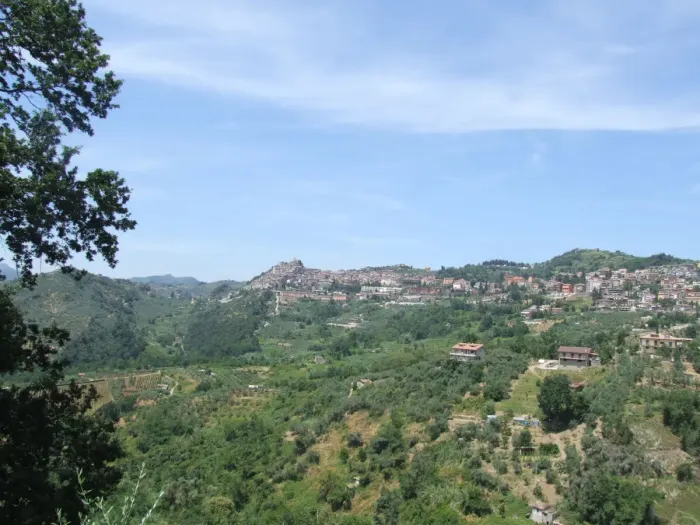 With your hands
An organic Cesanese producer on the Terre del Cesanese road at Olevano Romano, at about 350 m above sea level.
See the dayPastena, Falvaterra and Collepardo, where the rivers go underground. Two of them you wade through, which is the best possible thing to do in August. Around them: a sinkhole in the woods above Collepardo, a botanical garden, and the Trisulti charterhouse hidden in a fold of the Ernici mountains.
Closest to Rome first. Never by who pays us.
 On the trail
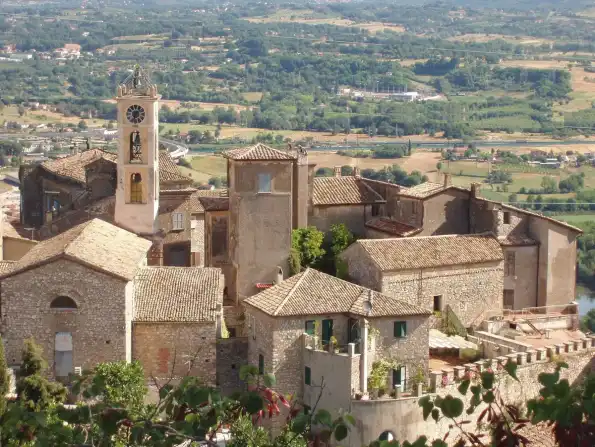
A set of walking routes that all start from the visitor centre at the Falvaterra caves.
See the day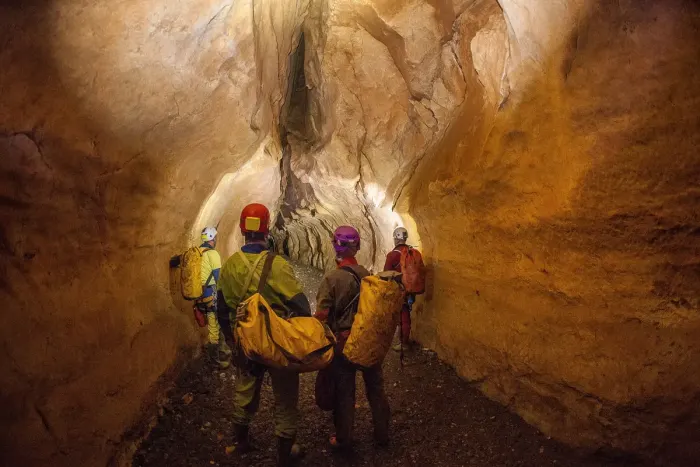 Under the ground
A caving trip on foot through the active branch of the Falvaterra system, walking in water at about 14-15 degrees.
See the day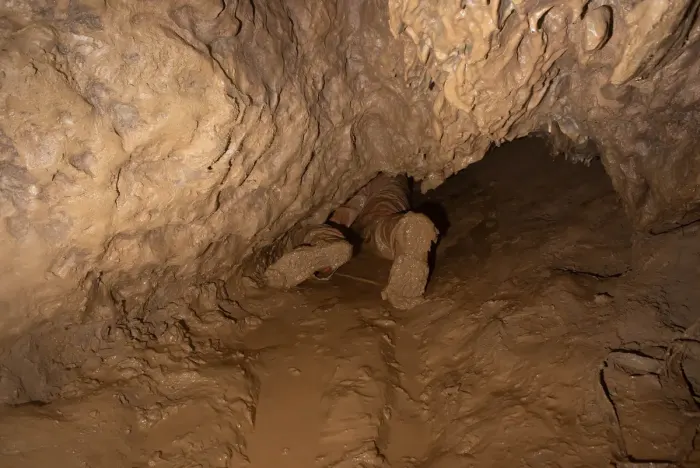 Under the ground
The longer caving route through the active Falvaterra system.
See the day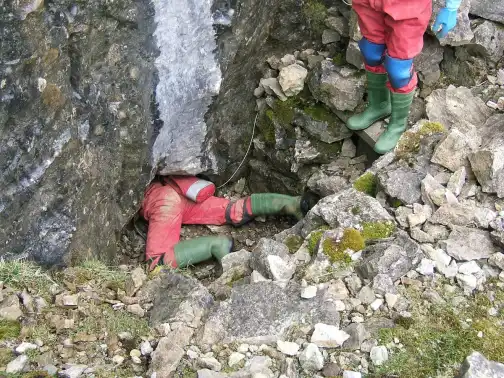 Under the ground
A short guided walk along an underground river inside the Falvaterra and Rio Obaco natural monument.
See the day In the old stones
A Baroque cathedral at Collepardo, built by Francesco Borromini.
Free — nothing to pay
Just turn up
See the day On the trail
A guided visit to a Carthusian monastery founded in 1204 above Collepardo.
See the day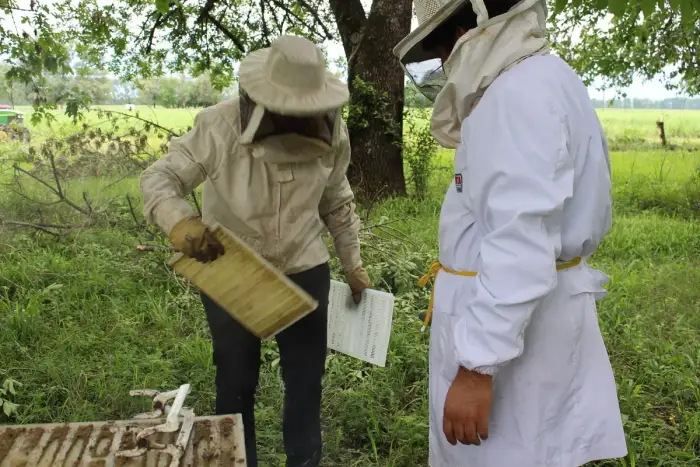 With your hands
A course held at Collepardo every year since 1991 and open to everyone.
See the day
On the trailA natural history museum on the upper floors of the town hall at Collepardo, given over to herbal medicine, karst geology, caving and biodiversity, with a specialist reference l…
See the day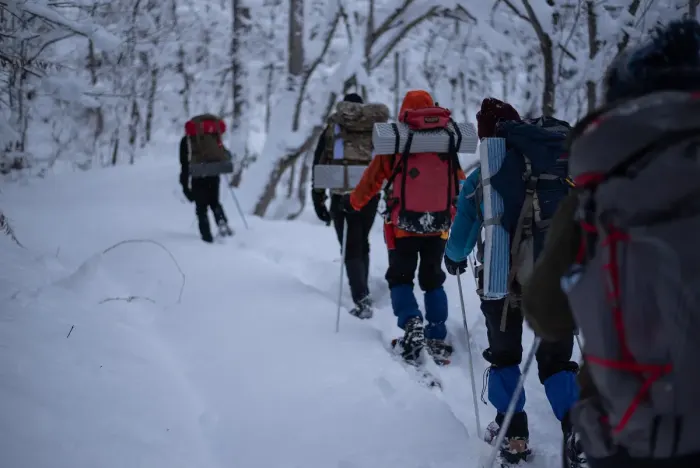 On the trail
A botanical garden at Collepardo that gathers the wild plants of the Ernici mountains, including rare species kept from extinction.
See the day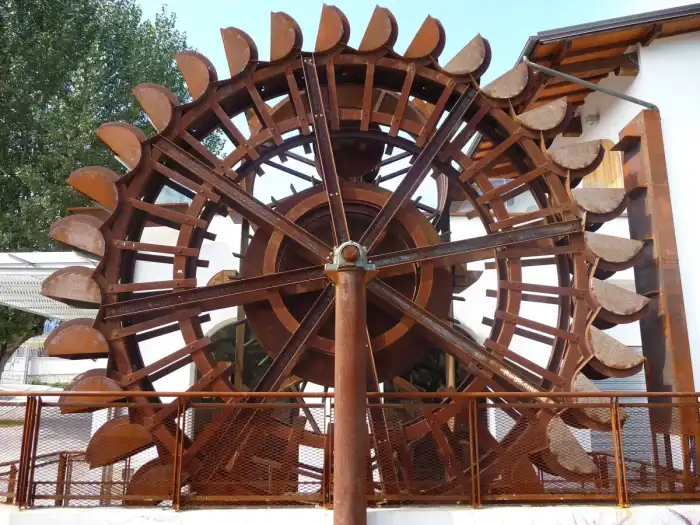 On the trail
Isola del Liri is the town with a waterfall in the middle of it, and the water ran the paper mills that made it rich.
See the day
In the old stonesA bridge at Collepardo.
Free — nothing to pay
Just turn up — open air, any hour
See the day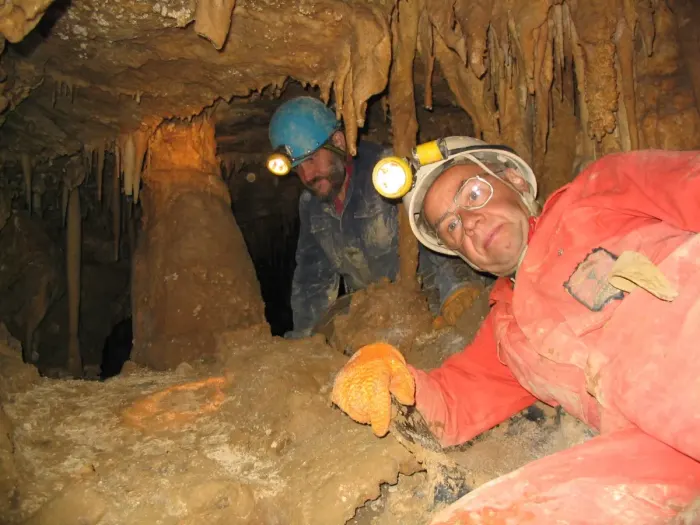 Under the ground
A viewing visit to a karst sinkhole about 60 metres deep and roughly 300 metres wide, formed when the roof of a cave collapsed.
See the day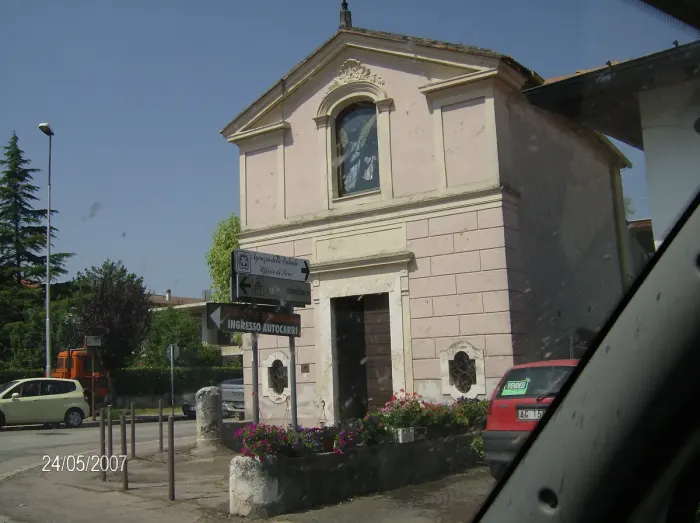 On the trail
A Benedictine abbey church of the year 1011 on the bank of the Liri, raised on the remains of the Roman villa of Cicero's family, with a crypt that still holds the original elev…
See the day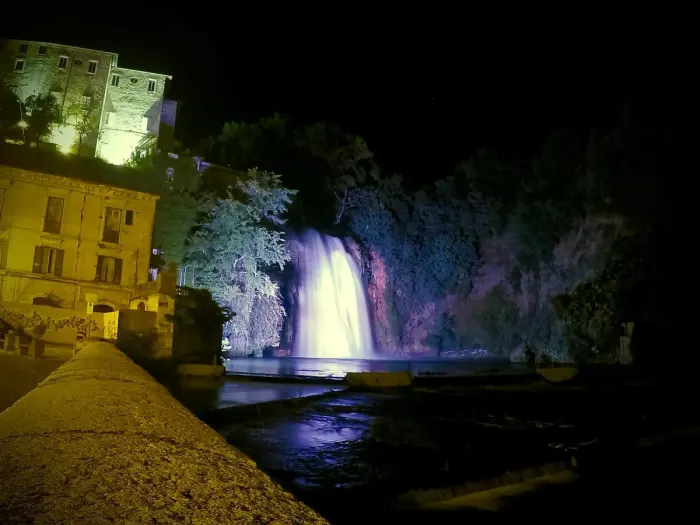 In the old stones
A cathedral at Sora.
Free — nothing to pay
Just turn up
See the day
In the hot waterA wellness centre at the foot of Montecassino with two heated outdoor hydromassage tubs, two Turkish baths, two saunas, two emotional showers, a massage area and a large relaxat…
See the day In the old stones
A triumphal arch at Aquino, from the second century.
Free — nothing to pay
Just turn up — open air, any hour
See the day On the trail
The civic museum of Aquino, arranged in three chronological sections - prehistory, pre-Roman and Roman, and medieval - plus a subsection on Roman burial that holds the third-cen…
See the day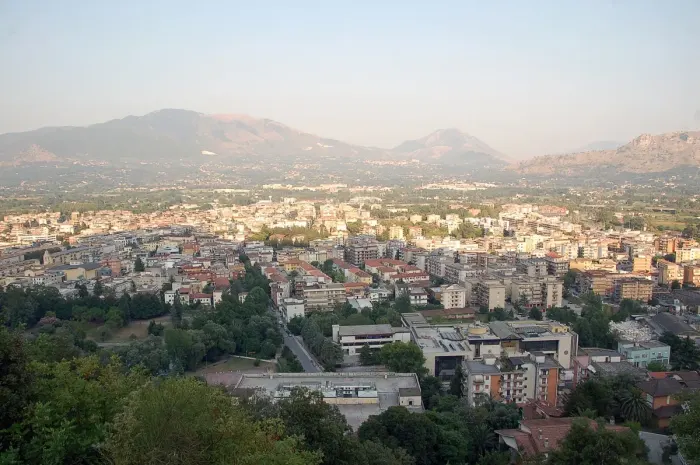 On the trail
The Roman town that sat under Montecassino, on the road up to the abbey: the archaeological area and the national museum named after Gianfilippo Carettoni.
See the dayDriving time from the middle of Rome, on the road network and without traffic. It tells you whether the day stands up; it is not a timetable.
Getting there
The day stays yours: you leave when you want, stop where you want, and come back when the light goes.
Affiliate link — you pay their price, never more, and they pay us. You book with Localrent, and anything about that booking goes through them.
See prices on LocalrentNo parking to find, no wrong turns, and you leave when the day is done.
Affiliate link — you pay their price, never more, and they pay us. You book with Welcome Pickups, and anything about that booking goes through them.
See prices on Welcome PickupsThe historic name for the hill country south-east of Rome, roughly the province of Frosinone. It takes the name from the ciocia, the laced footwear the country people wore, and it is one of the few parts of Lazio still largely untouched by tourism.
For the cathedral crypt alone. It is a complete cycle of thirteenth-century frescoes over the whole vault, and you can usually stand in it with almost nobody else there.
The red grape of Lazio, grown mainly around Piglio and Olevano Romano. The estates are small and welcoming and the wine is not expensive, which makes this a good direction for a tasting day.
Anagni and Piglio are about an hour to an hour and a quarter; the far end towards Cassino is nearer two. Times on the cards are on the road network without traffic.
Anagni's frescoed cathedral crypt and the palace of Boniface VIII; the cyclopean walls at Alatri and Ferentino; the Trisulti charterhouse; the caves at Pastena, Falvaterra and Collepardo; the sulphur springs at Ferentino and Fiuggi; and Cesanese vineyards through the middle of all of it.
It is straight down the motorway south-east: Anagni and Piglio are around an hour to an hour and a quarter, and the far end towards Cassino is nearer two. Every card carries the drive time on the road network without traffic. This is car country — the towns are on separate hills.
Around Piglio and Olevano Romano, which is the heart of it, at Anagni, and further south at Arce. The estates are small and used to visitors arriving by arrangement rather than walking in, so ring ahead — the number is on the card.
If what you want is a part of Lazio that has not been arranged for visitors, yes. It has the density of history of the more famous directions and almost none of the traffic. If what you want is a single famous sight to photograph, Tivoli or Orvieto will suit you better.
Go underground or get in water. The caves at Falvaterra and Pastena hold a steady low temperature all year and two of them are wading routes; the Ernici mountains behind Collepardo are high enough to be cooler than the plain; and the sulphur springs run regardless of the season.
Links marked affiliate pay us a commission — you pay the operator's own price and we never take your money. How we rank