Subiaco

Quiet buildings

Abbeys, monasteries and the quiet country

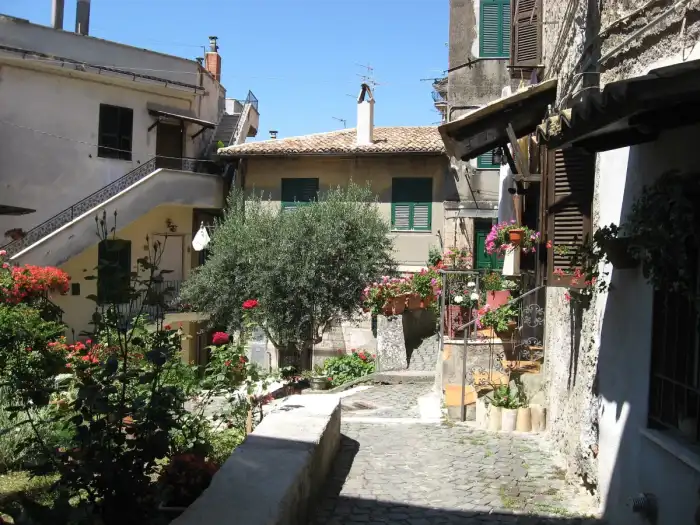
Western monasticism began in a cave an hour east of Rome, and the buildings that came out of it are still standing, still quiet, and mostly still empty of visitors.

38 things to book17 placesthe nearest is a 33 min drive from Rome

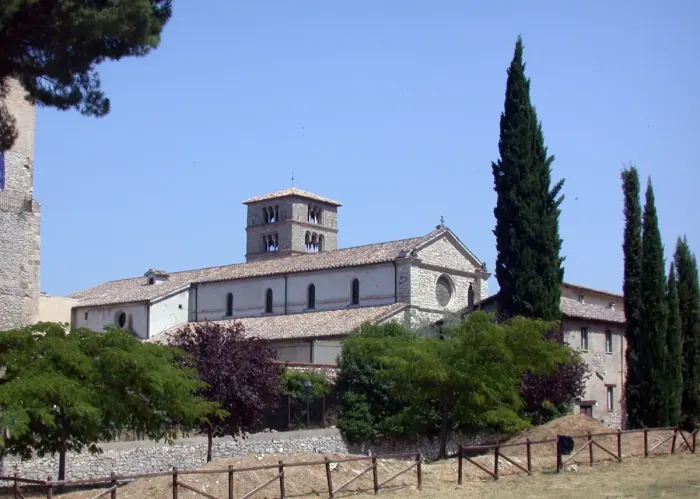
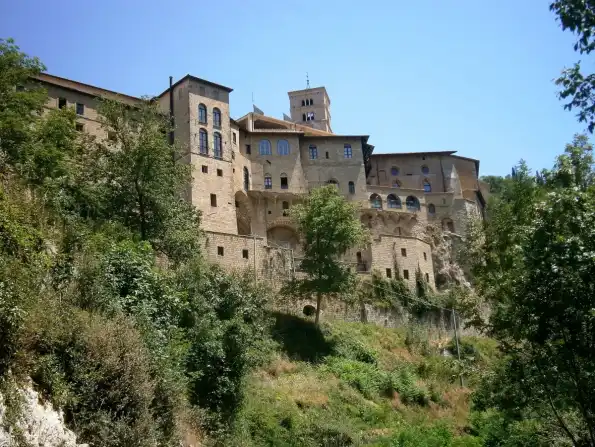
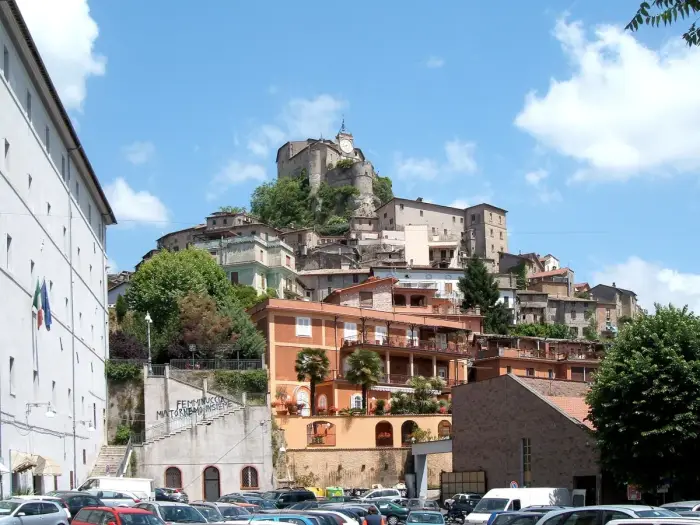
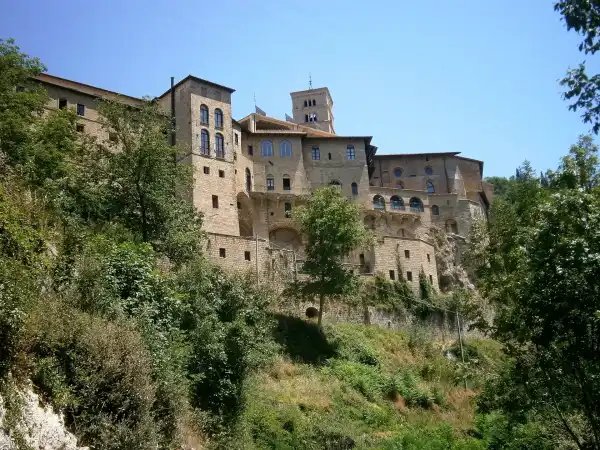
Benedict left Rome as a student some time around the year 500 and went to live in a cave above the Aniene at Subiaco. The rule he wrote there organised European monastic life for the next fifteen hundred years, and the monastery later built onto that cliff — frescoed inside, hanging over the gorge — is one of the strangest buildings in Italy.

The rest of the region is full of the consequences. Grottaferrata, half an hour from Rome, is a Greek-rite abbey founded in 1004 and still following the Byzantine liturgy. Farfa in the Sabina was an imperial abbey with its own territory. Fossanova and Casamari in the south are the earliest Gothic buildings in Italy, brought over by Cistercians from France. Trisulti sits in a fold of the Ernici mountains with a pharmacy frescoed like a theatre.

These are calm days: cloisters, walking, a long lunch, and the particular silence of buildings designed to produce it. They also work when the weather is poor, being largely indoors.

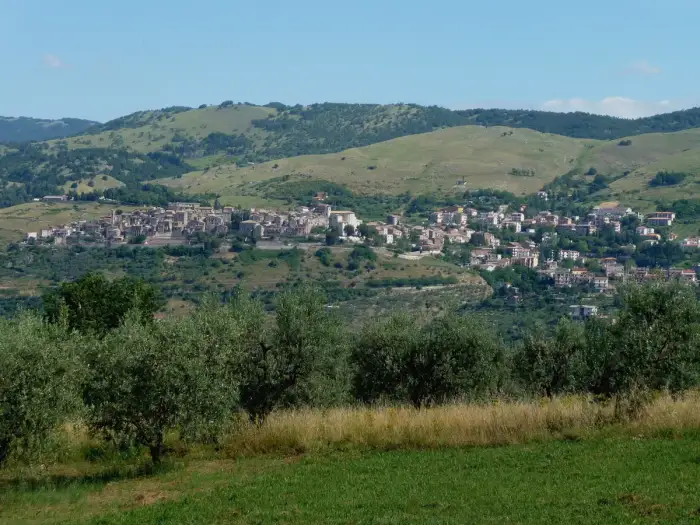
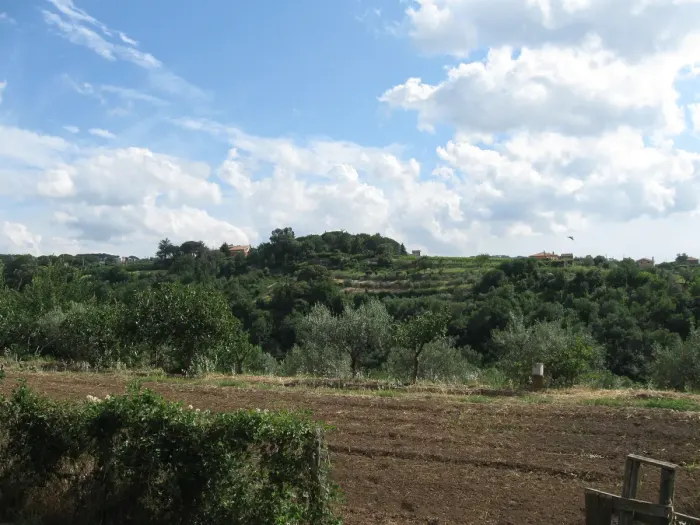
What makes these worth a day rather than a stop is that they are almost all in landscape. Subiaco is built into a cliff over a gorge. Trisulti is in a fold of the Ernici mountains with a wood around it. Fossanova and Casamari stand in flat farmland with nothing else near them. Farfa is at the bottom of a valley in the olive hills. You arrive by driving through country, which is half of the effect and none of it is accidental — they were sited to be away from things.

A working monastery is not a museum, and knowing that changes how the visit goes. Hours follow the community's day and close around the middle of it. Shoulders and knees covered is the ordinary European rule and is enforced. Some parts are open and some are not, and the guided visits on these cards are usually the way into the parts that are not. Several will arrange a visit if you ring in advance, which is the single most useful thing on this page.

These are also, quietly, some of the cheapest good days in the catalogue. Most abbeys are free to walk into, several ask a donation, and what you pay for is a guide. Around them the country holds Cesanese vineyards, hill towns, caves and sulphur springs, which is what fills the rest of the day.
Abbeys, monasteries and sanctuaries

Guided visits and open sites. Several are working communities, so times follow the liturgy rather than the tourist day — the card carries the operator's own contact.

Best fit for this section first, then whatever you can book today. Closest to Rome breaks a tie. Never by who pays us.

Grottaferrata On the trail
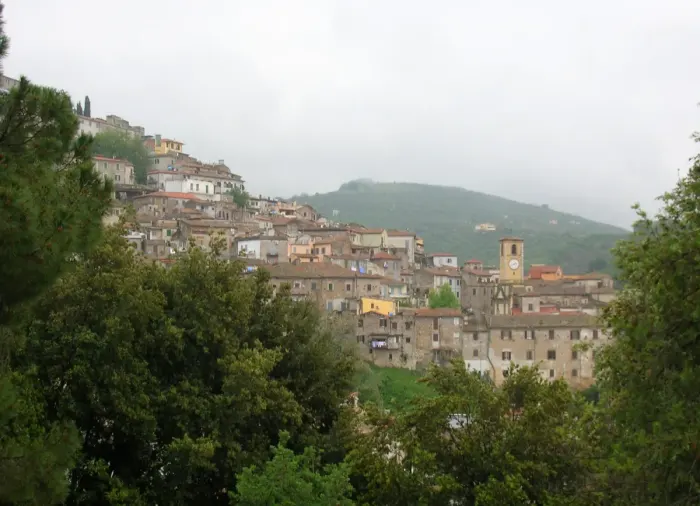
The last Byzantine abbey near Rome, founded in 1004

A Greek-rite abbey founded in 1004 by monks from southern Italy led by St Nilus of Rossano, the last of the Byzantine monasteries that were once spread across southern Italy and…

See the day
Vallepietra On the trail
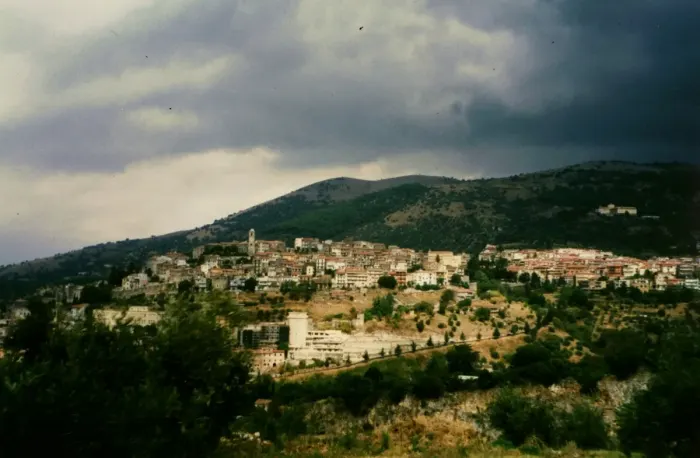
Monte Tarino from the Vallepietra sanctuary

A ring hike starting at the car park of the Santissima Trinità sanctuary above Vallepietra, along the Alta Via del Parco and part of the Frassati path, crossing the karst depres…

See the day
Fara In Sabina On the trail
Guided tour of Farfa Abbey

A monk-run guided tour of one of the great Benedictine abbeys of medieval Europe.

See the day
Priverno On the trail
Fossanova Abbey

The Cistercian abbey where Thomas Aquinas died in 1274, with its Gothic church and cloister.

See the day
Norma On the trail
Malvisciolo, the ruins of the lost abbey

Guided hike through mixed oak woods in the Val Roscina, on the border between Norma and Carpineto Romano, to the scattered ruins of the thirteenth-century Cistercian abbey of Sa…

See the day

61 more like this

The Aniene valley, where it started

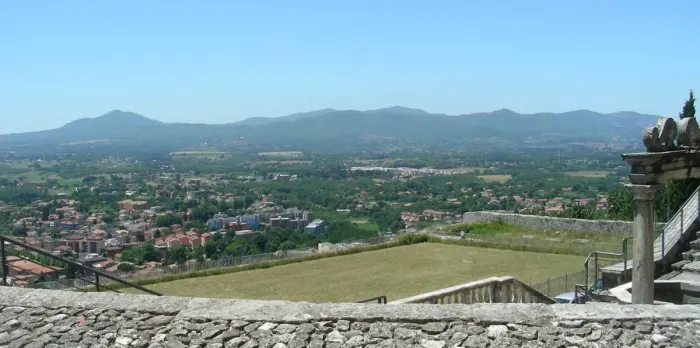
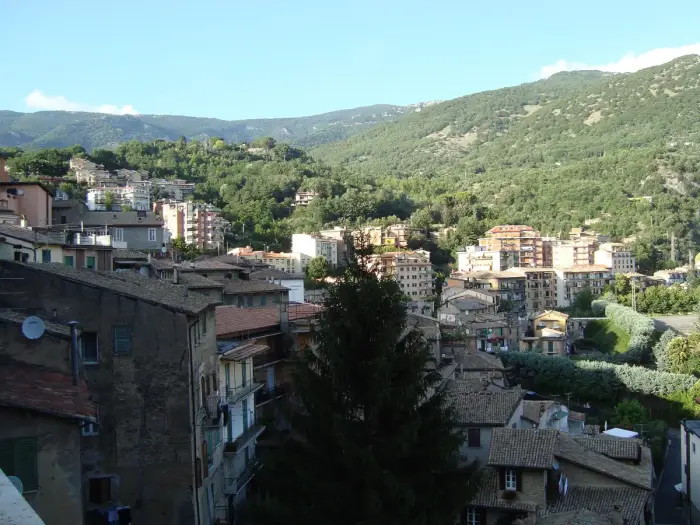
Subiaco and the valley above it: the Sacro Speco, Santa Scolastica, and the cold river that runs past them both.

Best fit for this section first, then whatever you can book today. Closest to Rome breaks a tie. Never by who pays us.

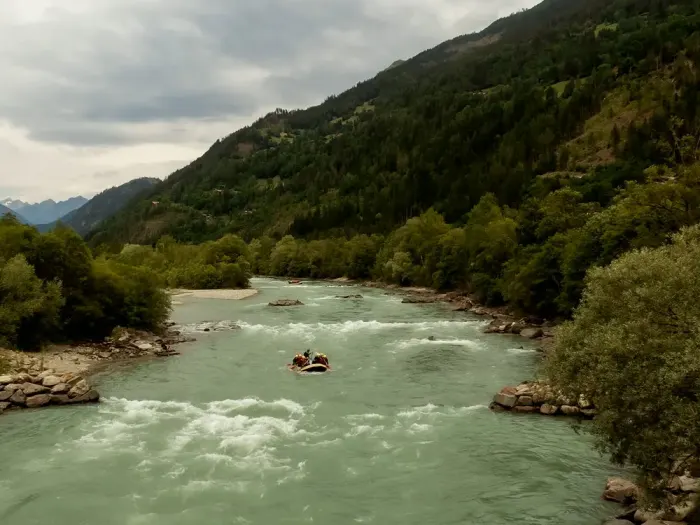
A river running through a wooded valley Down the river

Soft rafting on the Aniene

Five kilometres down the Aniene. Helmet and paddle included, shuttle to the start.

€25 per person

Books on viverelaniene.com

See the day
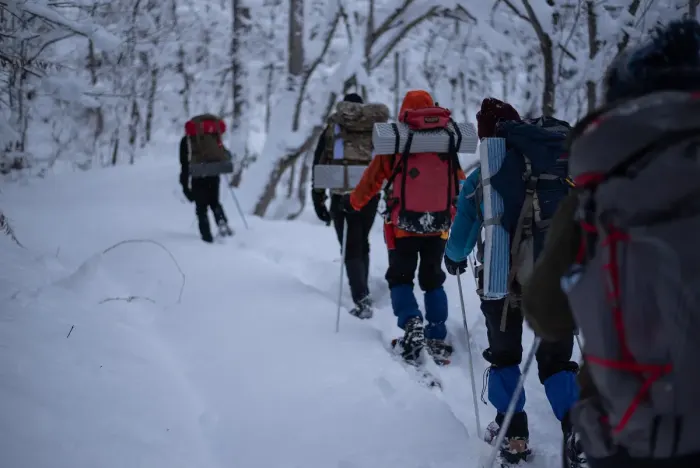
Filettino On the trail
Monte Viglio, the roof of the Cantari ridge

A ring hike from the Serra Sant'Antonio pass above Filettino to the summit of Monte Viglio, the highest peak of the Monti Cantari at the eastern edge of the Simbruini park.

See the day
An outdoor thermal pool with steam rising off the water In the hot water

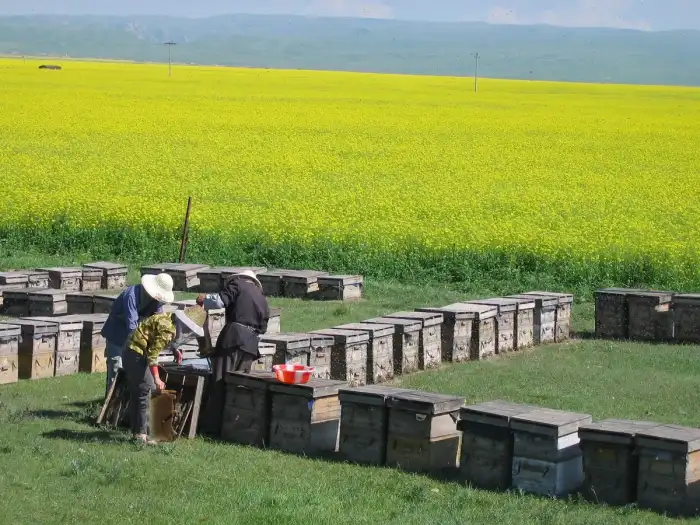
Apitherapy in the beech wood

A wellness session in an apiary set inside the beech forest of the Simbruini park, built on apitherapy practices: bee humming, api-aromatherapy and api-sound.

See the day
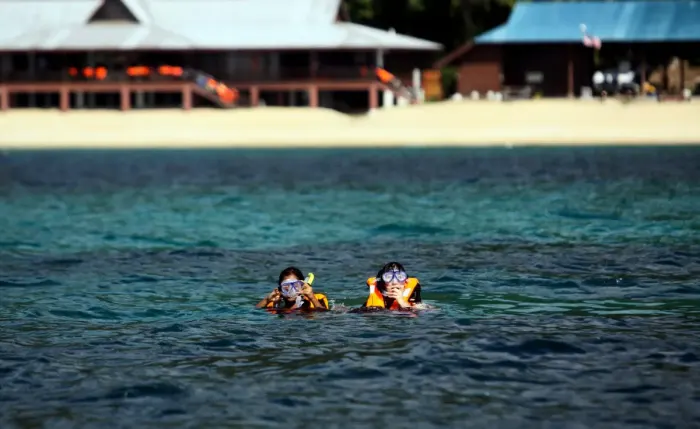
Snorkelers in clear shallow water off a rocky shore On the water

Canoe and kayak lessons on the Aniene

Individual or small-group lessons on the Aniene, starting from the basics: reading the current, handling the paddle and moving safely.

See the day

30 more like this

The south: the country the abbeys stand in

Fossanova, Casamari and Trisulti are down here, and so are the papal hill towns and the Cesanese vineyards between them. This is what else fills the day.

Best fit for this section first, then whatever you can book today. Closest to Rome breaks a tie. Never by who pays us.

Anagni With your hands

Cesanese winery visit near Anagni

The estate produces Cesanese del Piglio DOCG and takes visitors for a tasting and direct sales on site.

See the day
Cori With your hands

Wine tasting at a historic Cori cooperative

Tasting of three wines from the native Nero Buono and Bellone grapes, served with bruschetta, cheeses and cured meats, at the cooperative founded in Cori in 1947.

See the day
Cori With your hands

Vineyard and cellar tour with sparkling wine

Guided tour through the vineyard and the barrel cellar, then a tasting of the sparkling wine and the two DOC wines of the house, served with local food products.

See the day
Cori With your hands

Cellar and vineyard visit with tasting

A walk through the vineyards and a guided visit of the cellar of an organic estate at Cori, followed by a tasting of three wines paired with local products.

See the day
Cori With your hands

Terracotta workshop and cellar tasting

A three-hour terracotta workshop in the studio of the artist Martino Antocchi: mixing clay, learning basic modelling, making natural engobe colours and burnishing with olive oil…

See the day
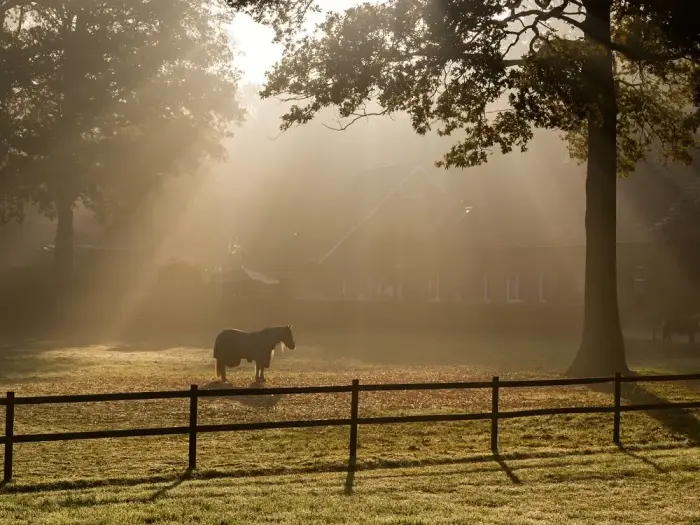
A horse in a misty field at first light On horseback

Horse ride in the Lepini woods plus tasting

A horse ride through the woods above Cori or among the estate vineyards, with the Fontana del Prato riding school, followed by a guided cellar visit and tasting.

See the day
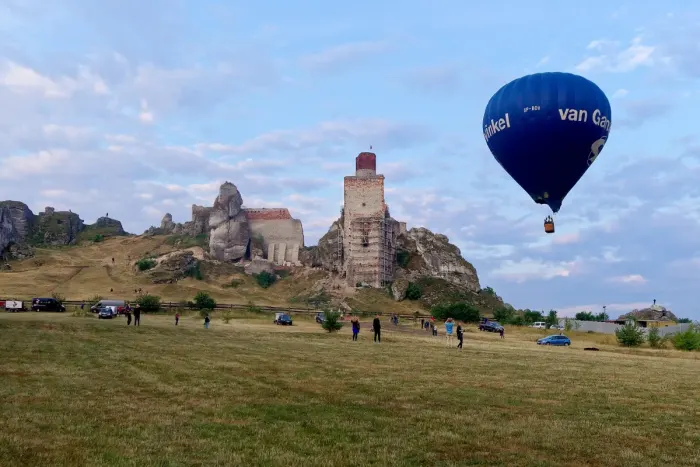
A hot air balloon inflated and rising over open countryside In the air

Tandem paragliding over the Pontine plain

Tandem paragliding flight from the take-off site at Norma, on the edge of the Lepini mountains, over the Pontine plain and towards the sea.

See the day
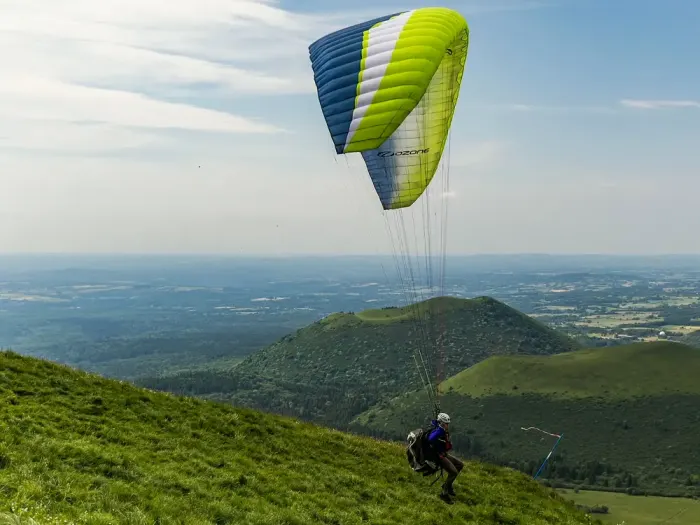
A paraglider above green hills In the airTrending

Tandem paragliding over Norma

Fifteen minutes in the air over Norma strapped to a pilot, or ninety if you want.

A sports club — you join them for the day

See the day
Sermoneta On the trail
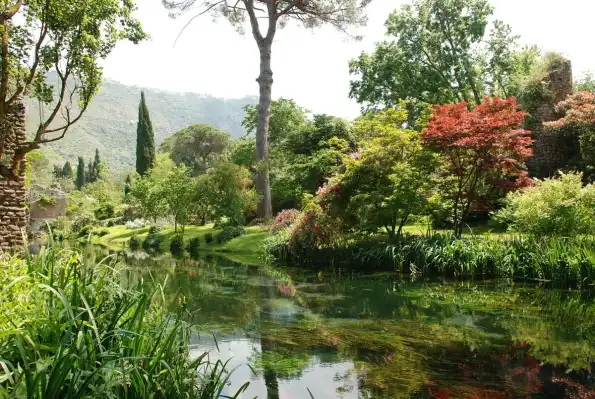
Caetani Castle in Sermoneta

Visit to the medieval fortress that dominates the hill town of Sermoneta, run by the same foundation that owns the Garden of Ninfa.

See the day
The deck of a sailing yacht under way, crew along the rail On the water

Canoe on the Cavata river plus tasting

A canoe trip starting at the springs of the Cavata river below the medieval town of Sermoneta, paddling five kilometres along the edge of the Monticchio spring-water nature monu…

See the day

78 more like this

Where this takes you

Driving time from the middle of Rome, on the road network and without traffic. It tells you whether the day stands up; it is not a timetable.

Getting there

Getting there, the comfortable way

Questions people actually ask

Can you visit a working monastery?

Most of them, yes, in the parts that are open to visitors, and several run guided tours. They are places of work and prayer rather than attractions, so hours follow the community's day. Dress is the ordinary European rule: shoulders and knees covered.

Which abbey near Rome is worth the drive?

The Sacro Speco at Subiaco, if you only do one. It is built into the cliff face over the gorge, it is frescoed floor to ceiling, and it is where the whole thing began.

Is it a good day in bad weather?

One of the best. Cloisters, churches and refectories are indoors, and the valleys look better in cloud than in glare.

Do they charge?

Some ask a small entrance or a donation and some are free; where a price is not verified on our side, the card says so and links to the people who know. Guided visits are usually booked.

What are the most important abbeys near Rome?

Subiaco, where western monasticism started and where the Sacro Speco is built into the cliff; Montecassino, further south; Farfa in the Sabina; Grottaferrata, the Greek-rite abbey half an hour from the city; and Fossanova and Casamari in the south, which are the earliest Gothic buildings in Italy.

Can you visit Montecassino from Rome?

Yes, as a long day — it is well south of the city, on its own mountain, and the guided visits are on the cards here. The drive time is calculated without traffic on each card, and it pairs naturally with the Ciociaria towns on the way.

Do you have to pay to visit an abbey near Rome?

Most are free to enter or ask a donation, and what costs money is the guided visit into the parts that are not open. Where a price is not something we have verified, the card says so and links to whoever publishes it.

What should I wear?

Shoulders and knees covered, in any working religious house. It is enforced at the door rather than suggested, and a scarf in a bag solves it. Shoes that manage stone stairs are the other practical point, particularly at Subiaco.

Are abbeys a good day out in bad weather?

One of the best. Cloisters, churches, refectories and frescoed chapels are indoors, and the valleys these places sit in look better in cloud than in glare. It is the quiet answer to a wet day that does not involve going underground.

Keep looking

All 73 guides, sorted by distance, desire, season and place

How to get there

Links marked affiliate pay us a commission — you pay the operator's own price and we never take your money. How we rank