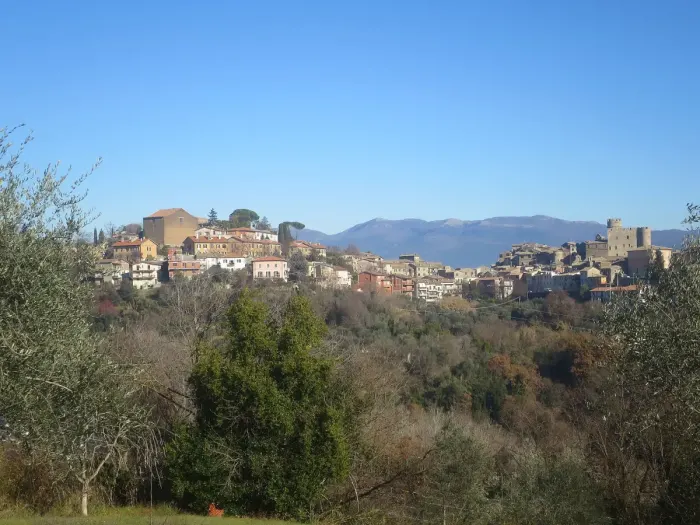
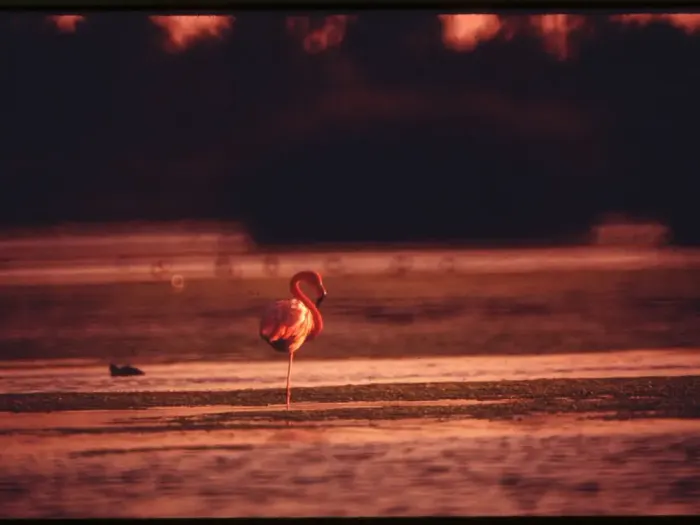
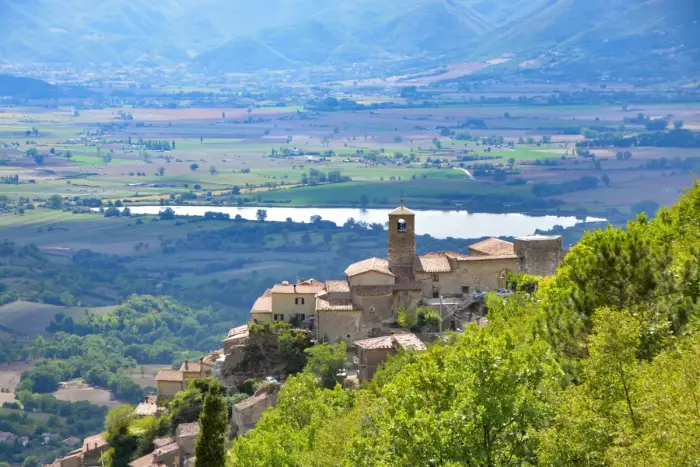
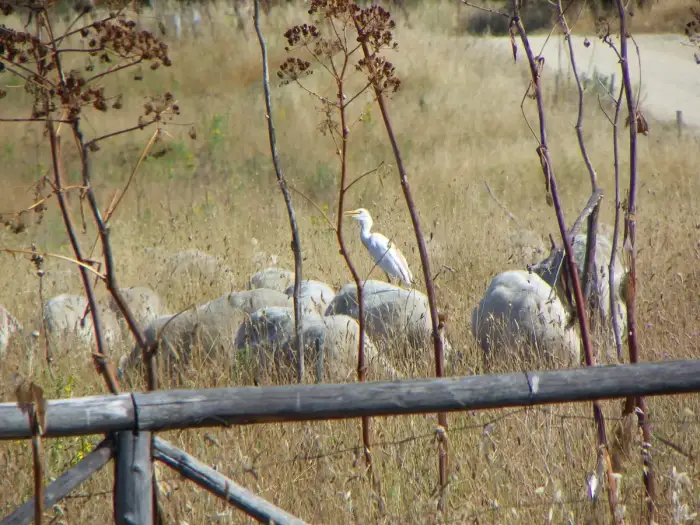
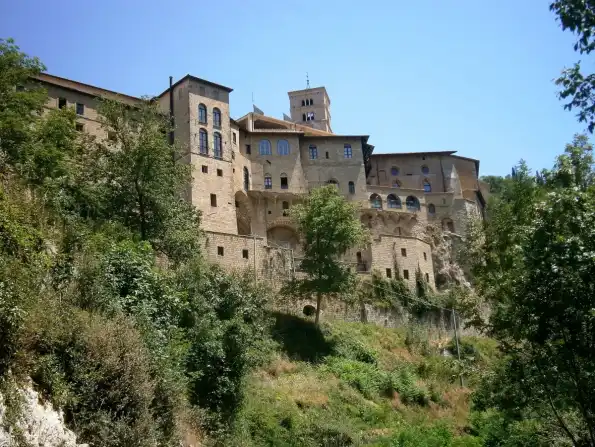
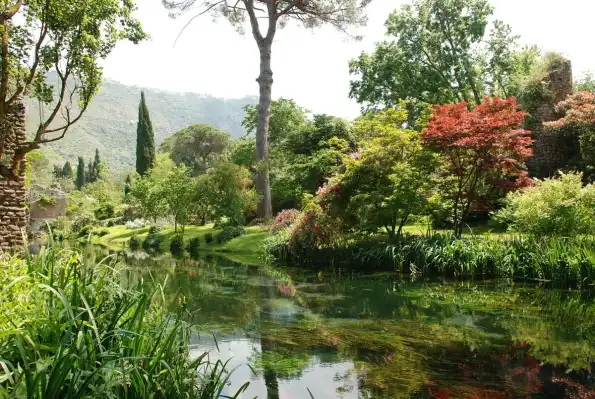
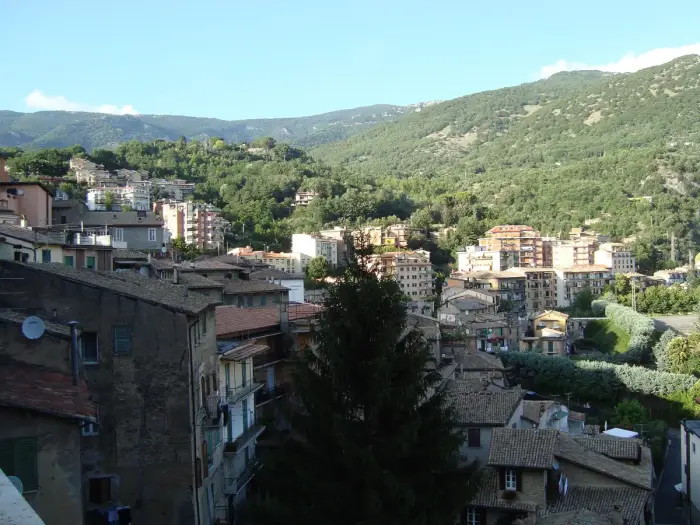
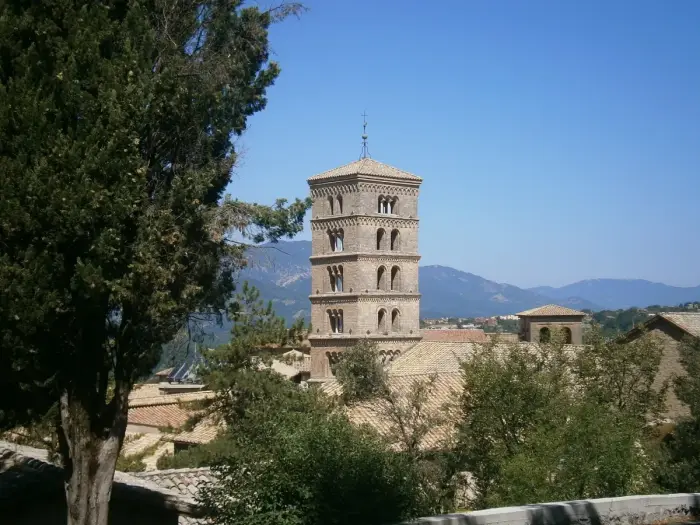
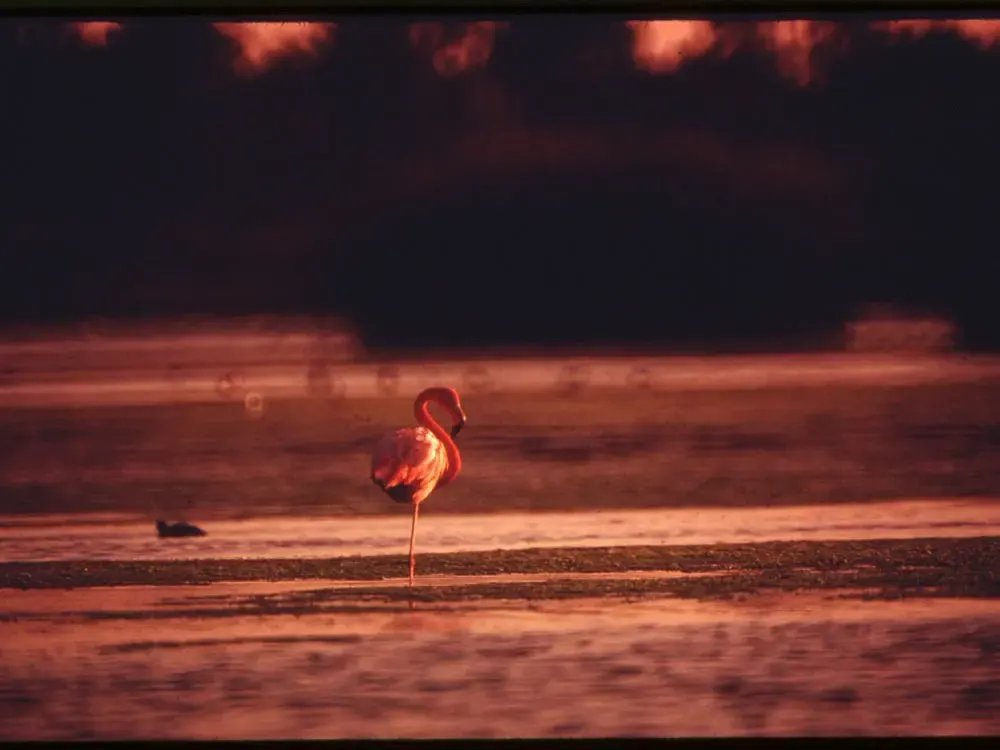
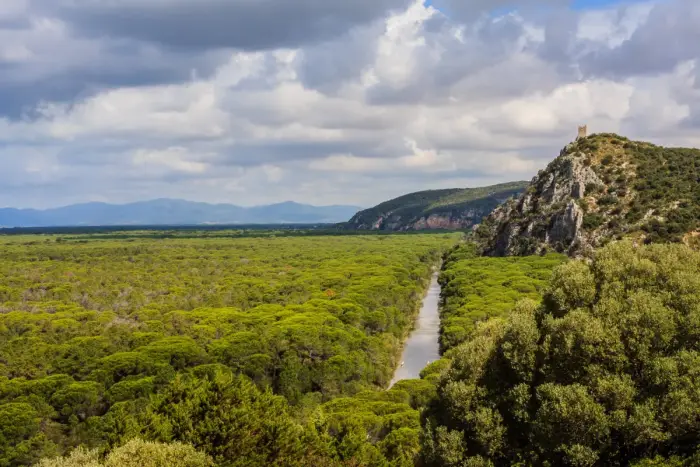
Lazio and the coast either side of it hold a run of reserves that would be famous if they were anywhere else. The lagoon at Orbetello has flamingos on it. The Circeo park has the last of the coastal dune forest that once ran the length of this shore. The Tiber and the Farfa meet in a wetland an hour north of Rome that you can cross by boat.
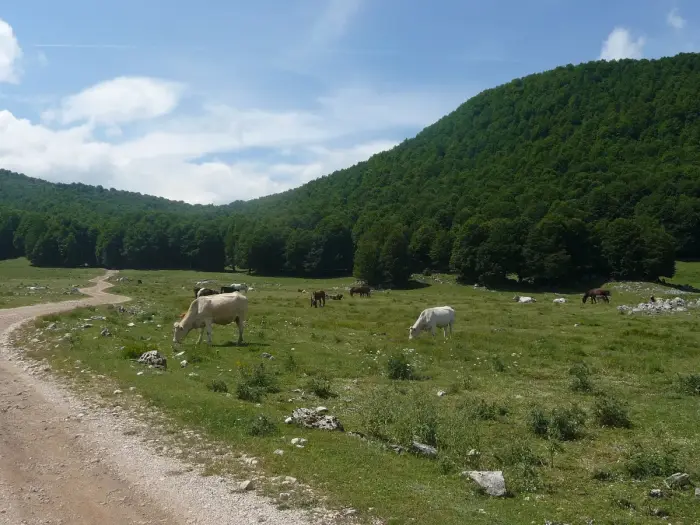
Inland it goes up instead of flat: the Simbruini, which are beech and cold water, the Lepini, which are limestone and empty, and the high country behind Rieti where the mountains actually start.
Nearly all of it is walkable, most of it is free to enter, and the wildlife guides who work these places are the sort of people who can tell you what you just heard. Go early; go outside July and August if you can.
The wetlands are the part that surprises people, because nothing about Rome suggests them. There is marsh at the mouth of the Tiber with hides on it, a reserve where the Farfa joins the river that you cross on an electric boat through the reeds, a sulphur-spring reserve on the coast at Tor Caldara, and a lagoon two hours north-west with flamingos standing in it. All four are quiet on a weekday and none of them are on anybody's list.
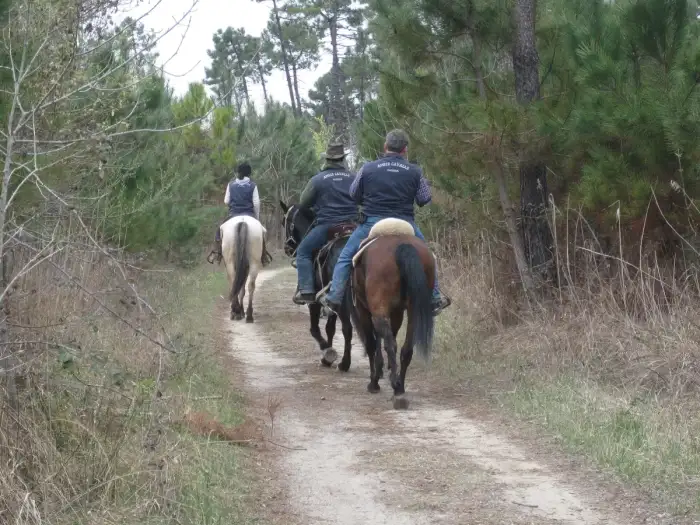
Go with a guide for wildlife and go alone for walking, because those are two different days. Several of the walks here are run by licensed naturalists — a category that means something in Italy — and the card says when that is the case. The difference between crossing a marsh and being shown one is the difference between an hour outdoors and a morning you remember.
Timing, honestly. Go for birds in spring and in winter, when the migrations pass and the lagoons fill; go for the woods in October, when they turn. July and August on the coastal reserves are hot, exposed and busy with the beach traffic — go inland and up instead, into the beech forest east of the city, which is ten degrees cooler and where the springs come out of the mountain.
 On the trail