 On the trail
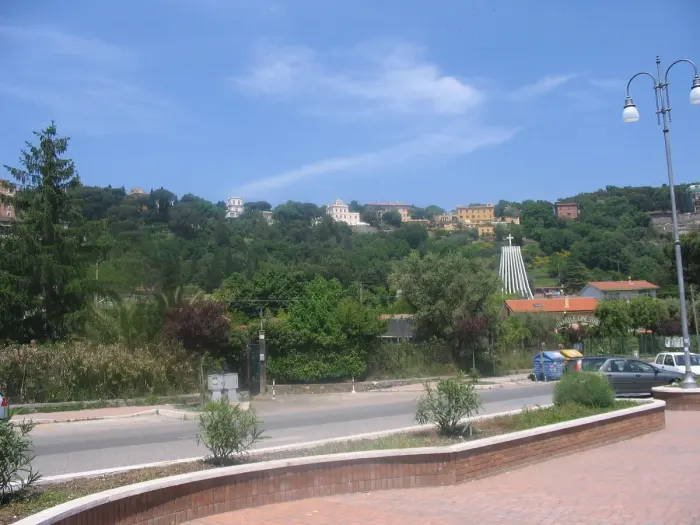
Walk or ride through the papal gardens of the Borgo Laudato Si'
The gardens of the Ville Pontificie at Castel Gandolfo are open as the Borgo Laudato Si', a working site of integral ecology.
See the day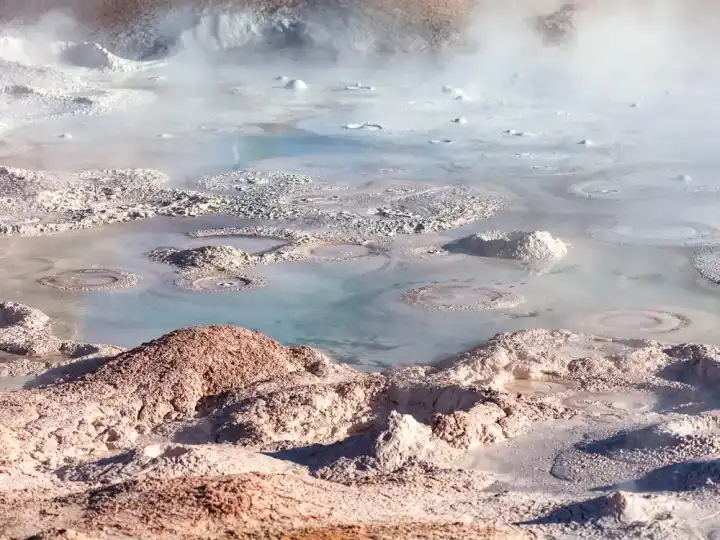
The volcano
Every lake around Rome is a hole left by an eruption, the stone the city is built of came out of the same eruptions, and in places the ground is still warm.
40 days out13 placesthe nearest is a 37 min drive from Rome
This is the fact that reorganises the whole map. The hills south of Rome are a volcano — one enormous collapsed cone, with the Castelli towns standing on its rim and two lakes in the bottom of it. North of the city there are three more: Bracciano, Vico and Bolsena, each of them a crater full of water.
The rock those eruptions left is tufo, soft enough to cut with hand tools and hard enough to build with. The Etruscans carved their tombs and their sunken roads into it, medieval towns were built out of it and on top of it, and Rome itself is largely made of the stuff.
And it is not entirely finished. Sulphur water comes out of the ground hot at Viterbo, at Tivoli, at Stigliano and in a dozen other places, smelling of eggs and steaming on a cold morning. The Romans built baths on all of them.
A volcano day is a good frame for a first trip out of the city: a lake, a rim town for lunch, and hot water in the afternoon.
Once you have that in your head the rest follows. The dark stone Rome is built of came out of those eruptions. The sunken roads of the Tuscia exist because the ash compacted into a rock soft enough to cut with iron. And the sulphur water people have bathed in since the Etruscans is the heat that has not gone yet.
The best single day for seeing it is the southern one. Stand on the rim at Rocca di Papa or Castel Gandolfo and the whole cone is laid out below you with two lakes in the bottom of it; then drive down to the water, which is deep and cold because it is filling a crater. It is half an hour from the city and it explains more than any museum.
The northern version is the strange one. Bracciano, Vico and Bolsena are three more craters, and the country between them is tufo the whole way — towns the colour of the rock they stand on, tombs cut into the cliffs, cellars going three storeys down, and hot springs coming up in a dozen places around Viterbo.
From the air, all of this becomes obvious in about ninety seconds, which is the honest argument for one of the flights in the catalogue. From the ground it takes a day and a bit of explaining, which is what this page is.
Albano and Nemi in the southern volcano, Bracciano and Martignano to the north-west, Vico and Bolsena beyond them. Swimming, paddling, sailing and walking round the rims.
Closest to Rome first. Never by who pays us.
On the trailThe gardens of the Ville Pontificie at Castel Gandolfo are open as the Borgo Laudato Si', a working site of integral ecology.
See the day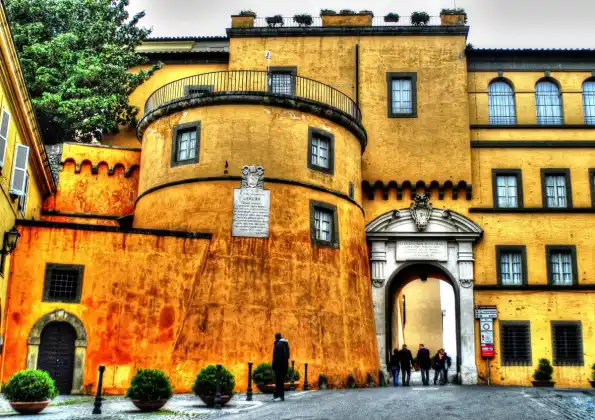 With your hands
Guests are welcomed with a glass of prosecco, then split into groups that take turns preparing dishes chosen by the hotel's chef.
See the day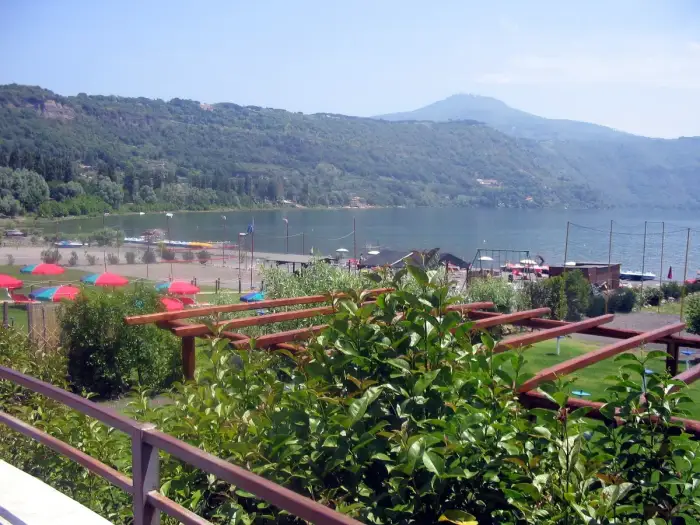 With your hands
A tasting devoted to three wineries of the Castelli Romani, served with artisan focaccia, mixed cheeses and cured meats, on a terrace looking over Lake Albano.
See the day
On the trailThe Apostolic Palace at Castel Gandolfo was opened to the public in 2014.
See the day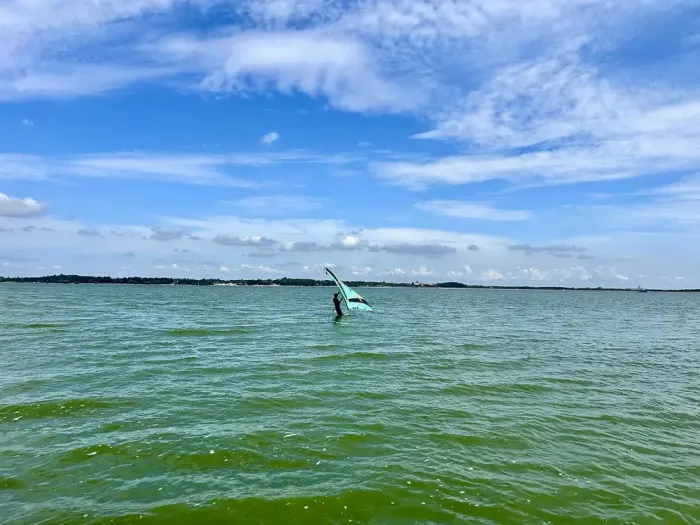 On the water
Four guided outings from the beach club on Lake Albano, all the same length and the same price: on a paddleboard along the Francigena shore, aboard the club's sailing boat, on f…
See the day
With your handsA bistrot two steps from Piazza della Libertà, run by the team behind the Michelin-starred Sintesi.
See the day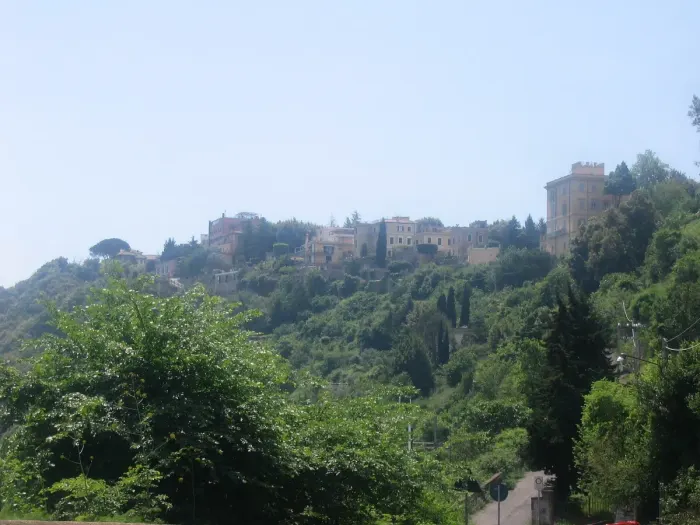 On the trail
A ten-kilometre easy walk from Castel Gandolfo to Nemi between the two crater lakes, through woods and past the villages on their rims.
See the day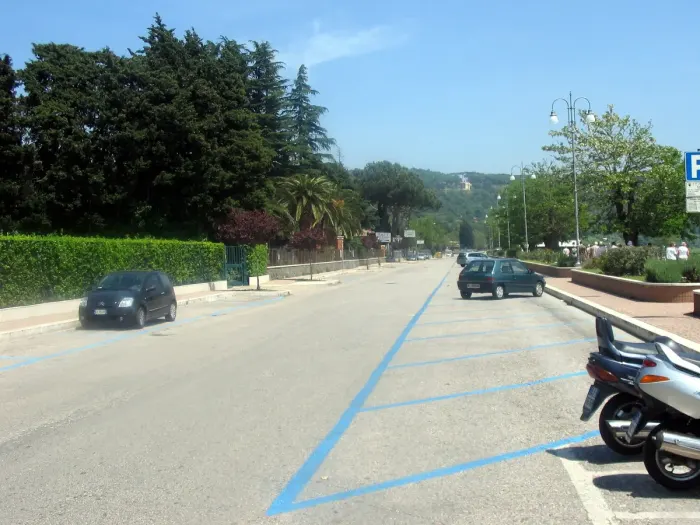 On the trail
Day one walks from Castel Gandolfo to Nemi between the two lakes, with a brunch stop at a farm bistrot and a floating aperitivo on the lake at the end; the night is spent in ten…
See the day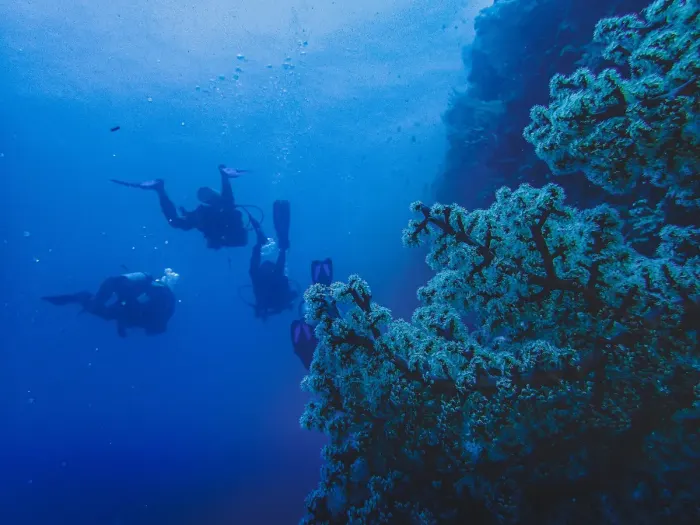 On the water
Kayak rental on Lake Albano below Castel Gandolfo.
See the day
In the old stonesA Baroque collegiate church at Castel Gandolfo, built by Gian Lorenzo Bernini.
Free — nothing to pay
Just turn up
See the day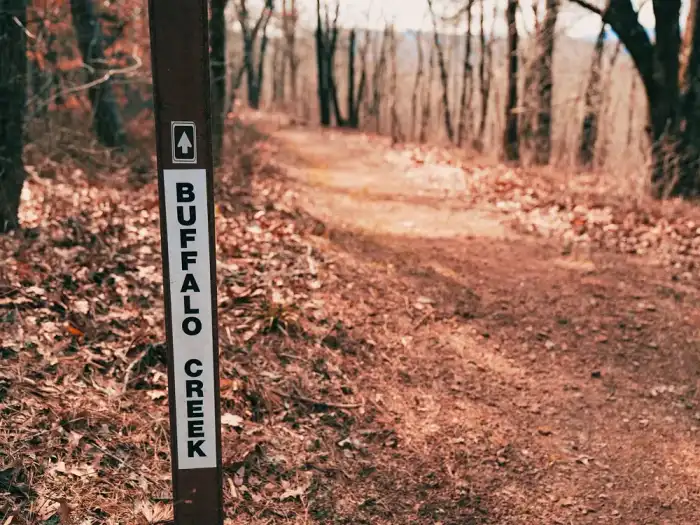 On two wheels
The train tickets are in the price. You ride the Castelli, Castel Gandolfo to Nemi.
See the day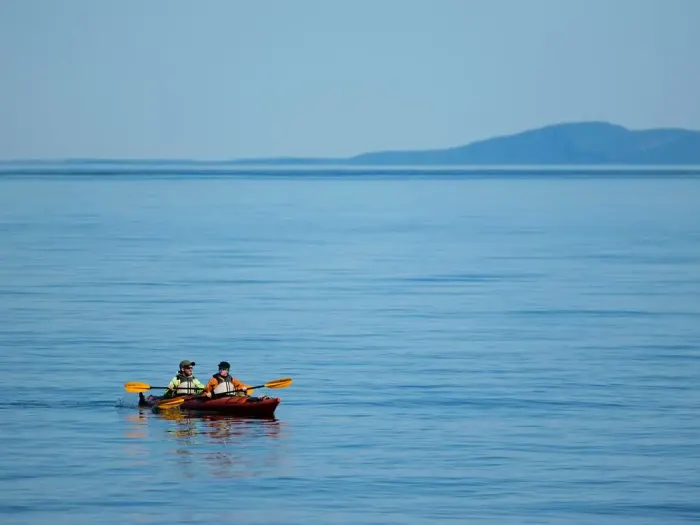 On the water
Three hours paddling across Lake Albano, gear included, children from six up.
€42.40 per person
Books on ckacademy.it
See the day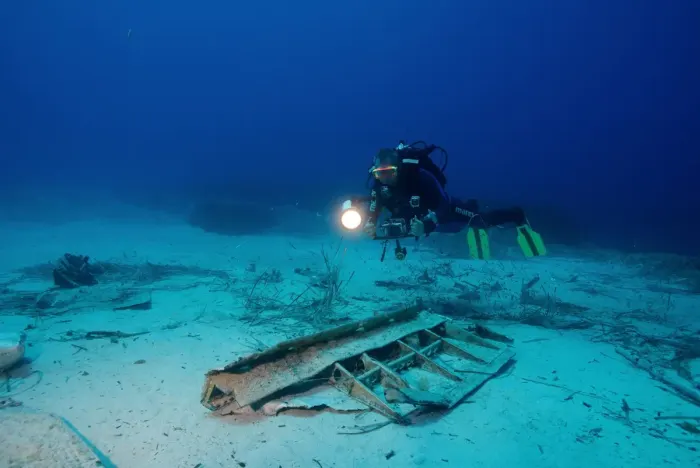 On the water
A lakeside beach club on Lake Albano at Castel Gandolfo.
See the day
In the old stonesA Baroque monastery at Castel Gandolfo, from the fourteenth century.
Free — nothing to pay
Just turn up
See the day Off road
A guided Vespa ride out of Rome into the Castelli Romani.
See the day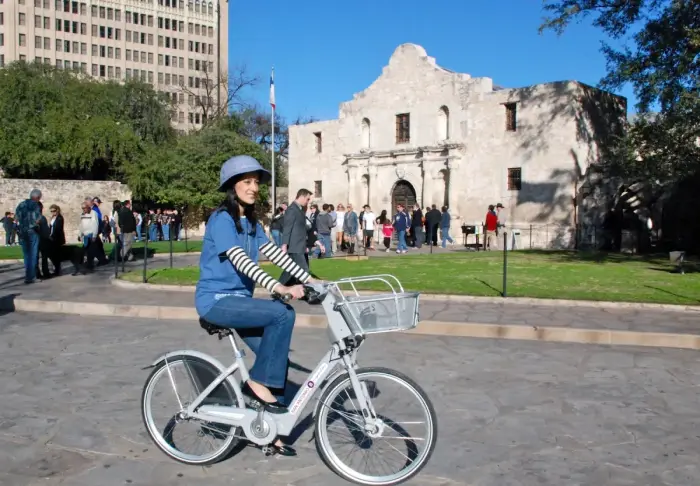 On two wheels
An eight-hour private e-bike day out of Rome: Caffarella park, the Park of the Aqueducts, then a 30-minute train ride from Capannelle station up to the Castelli Romani.
See the dayThe part of the volcano that has not cooled. Free open-air pools and built spas, and better in winter than in summer.
Closest to Rome first. Never by who pays us.
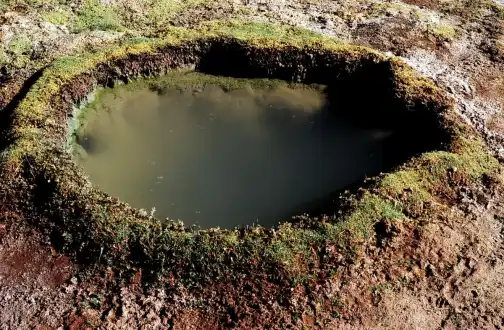 In the hot water
Three hours in a spa set in a cave, reserved for one party at a time, in the old centre of Ariccia.
See the day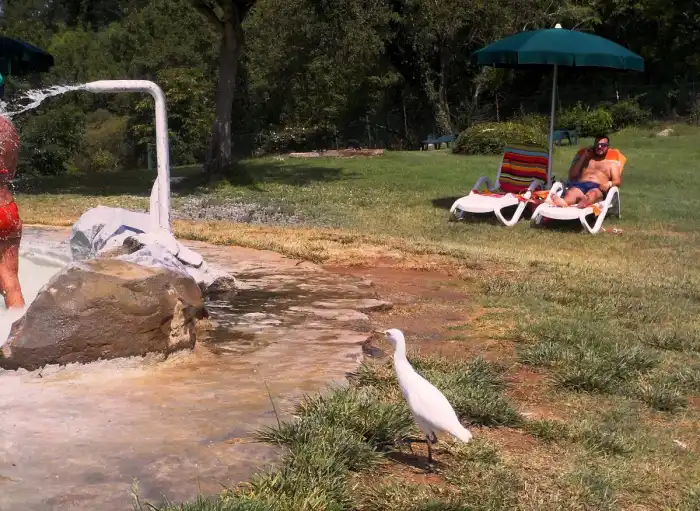 In the hot water
A day pass to the thermal spa fed by the sulphurous Acque Albule springs on the road between Rome and Tivoli.
See the day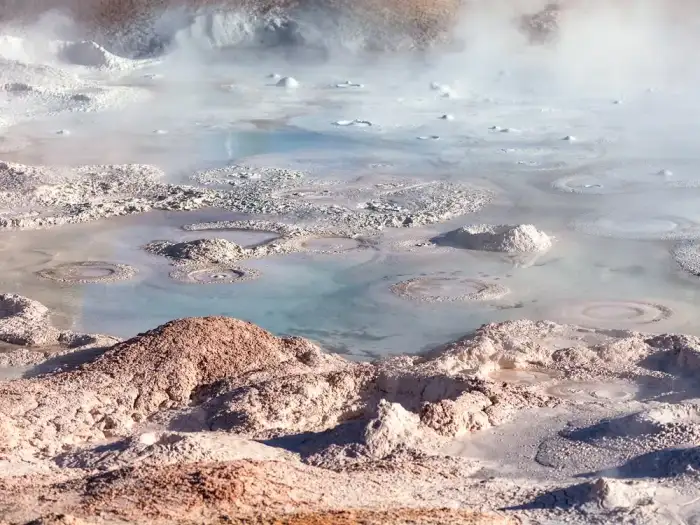 In the hot water
Six pools at a steady 23°C, and the station is right behind the park.
€16 per person
Books on termediroma.org
See the day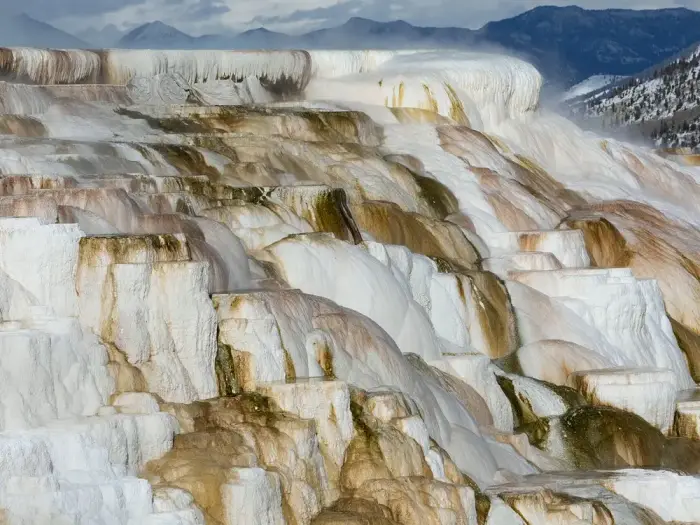 In the hot water
Sulphur pools open till 18:30, and the operator publishes the train to get there.
€12 per person
Books on Terme Sabine di Cretone
See the day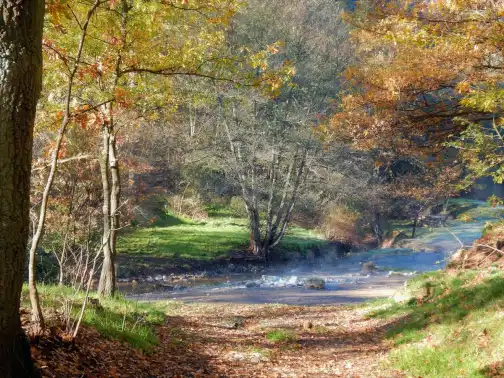 In the hot water
Three large sulphur-water pools, one of them for children, continuously fed with fresh water, in the countryside of Palombara Sabina about 30 km from Rome.
See the day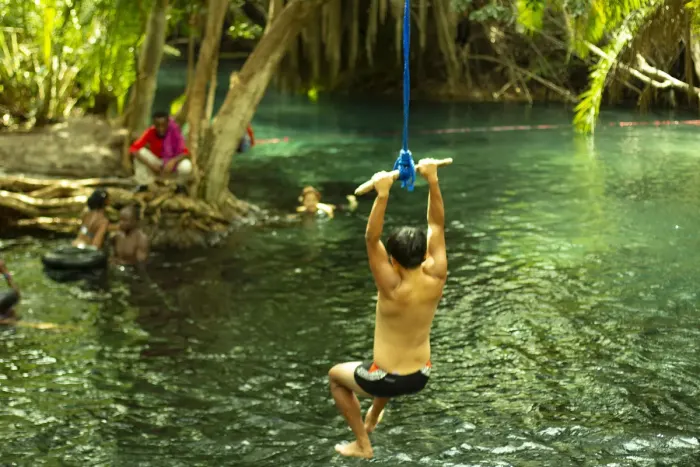 In the hot water
The medical side of the Ferentino thermal centre: inhalation cures for the respiratory system, treatments for the locomotor system and rehabilitation, using the sulphurous water…
See the day
In the hot waterA thermal day spa at Ferentino built on a sulphurous hot spring.
See the day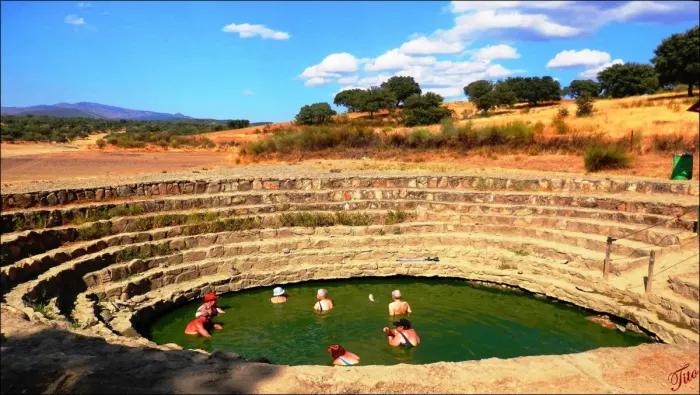 In the hot water
A wellness session in an apiary set inside the beech forest of the Simbruini park, built on apitherapy practices: bee humming, api-aromatherapy and api-sound.
See the day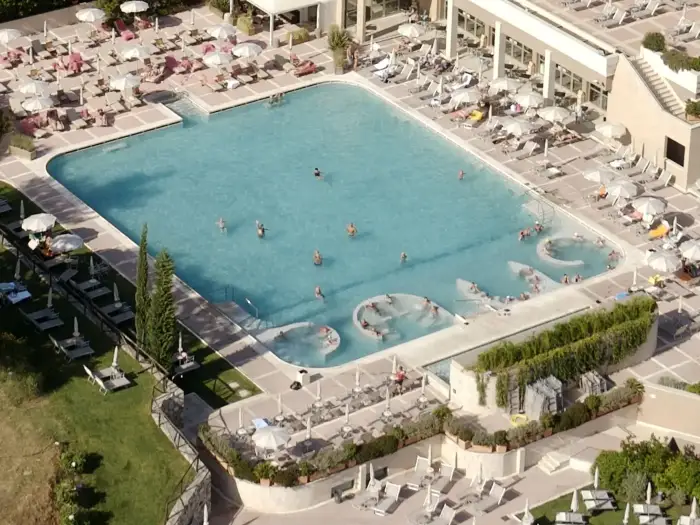 In the hot water
A three-hour late-afternoon slot in the Stigliano thermal park, from 17:00 to 20:00, that combines the pools and thermal lakes with an aperitivo.
See the day
In the hot waterA full day, 10:00 to 20:00, with access to the whole spa and the outdoor thermal park.
See the day
In the hot waterDay access to the outdoor thermal park at Stigliano, in the countryside of Canale Monterano about 50 km from Rome.
See the day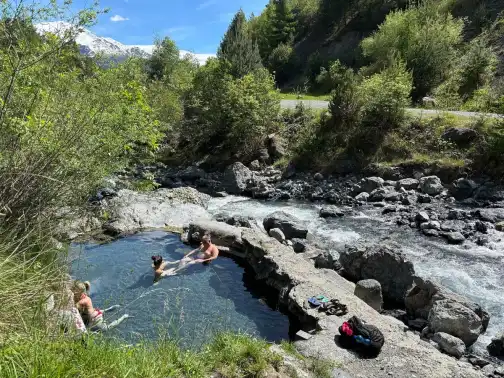 In the hot water
A five-hour morning slot, 10:00 to 15:00, with the sauna, salt room, infrared rooms, cold chamber, sensory showers, the heated indoor pool, the thermal basin and the outdoor the…
See the dayTufo towns, sunken Etruscan roads, cellars cut into the hillside and whole underground towns. The soft stone explains all of it.
Closest to Rome first. Never by who pays us.
 Under the ground
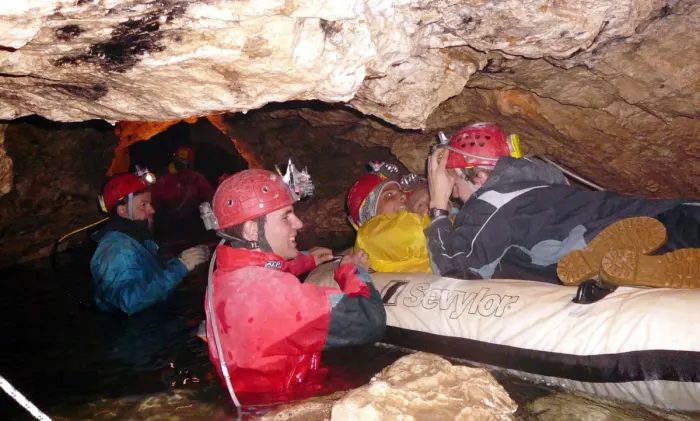
A six-hour guided day around the underground hydraulic works of the Lake Nemi basin — horizontal wells and tunnels, some still carrying water.
See the day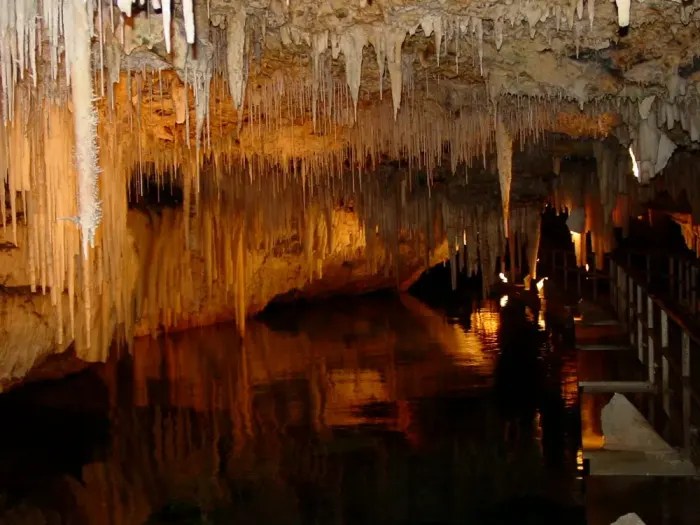 Under the ground
The tourist office of Orte runs guided descents into the tunnels under the old town: the Etruscan-Roman aqueduct, the medieval dovecote and the snow well, and on the third weeke…
See the day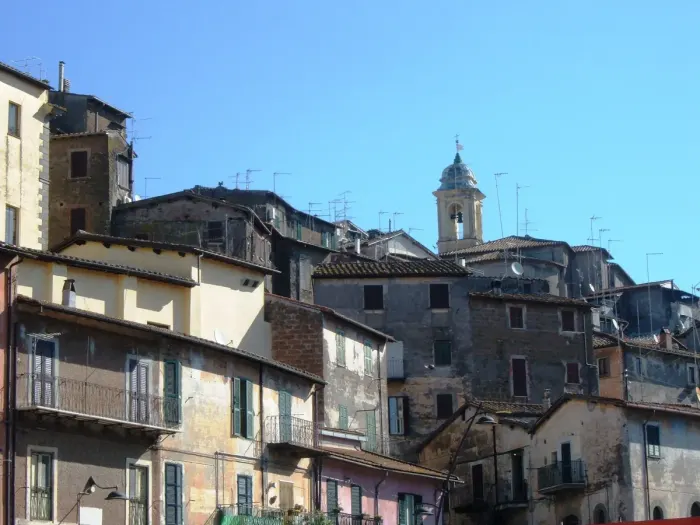 Under the ground
A combined visit: the Ruspoli castle and its gardens, then the tunnels dug under Vignanello known as 'I Connutti'.
See the day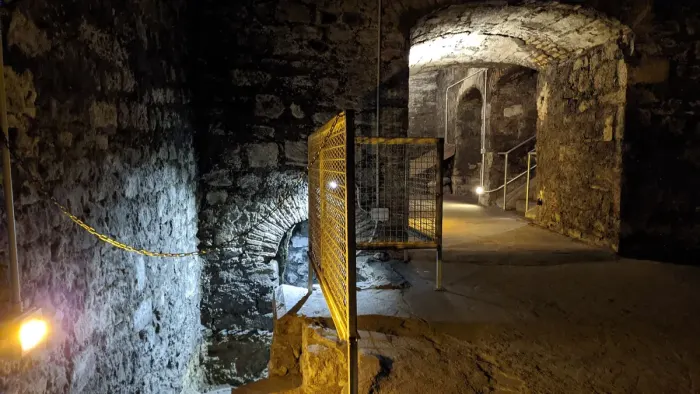 Under the ground
A one-hour guided route covering about a kilometre of tunnels under Viterbo plus entry to the Templar Museum, with a tasting of local products.
See the day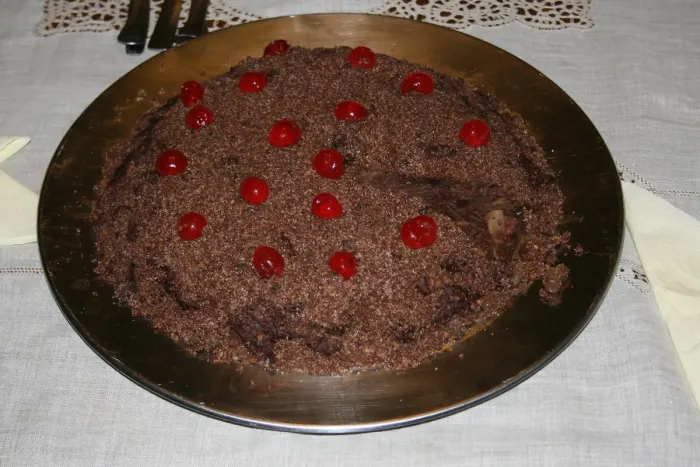 Under the ground
A 25-minute walk through about 250 metres of tunnels cut into the tufa under Piazza della Morte, on two levels at three and eight metres below the square, lit by LEDs.
See the day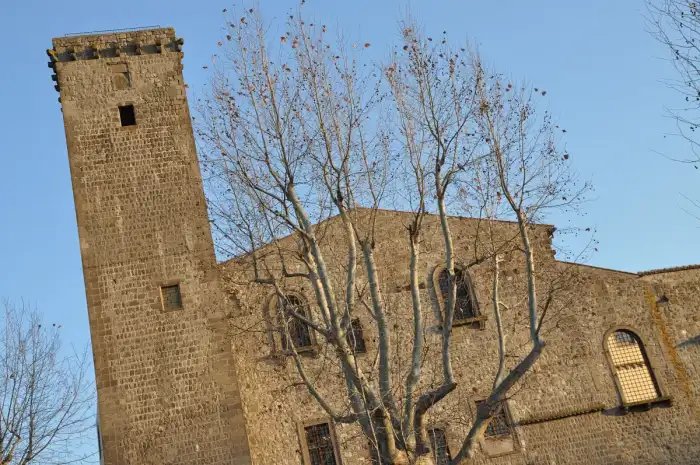 Under the ground
Visit to the network of tunnels and chambers dug under the medieval quarter of Viterbo.
See the day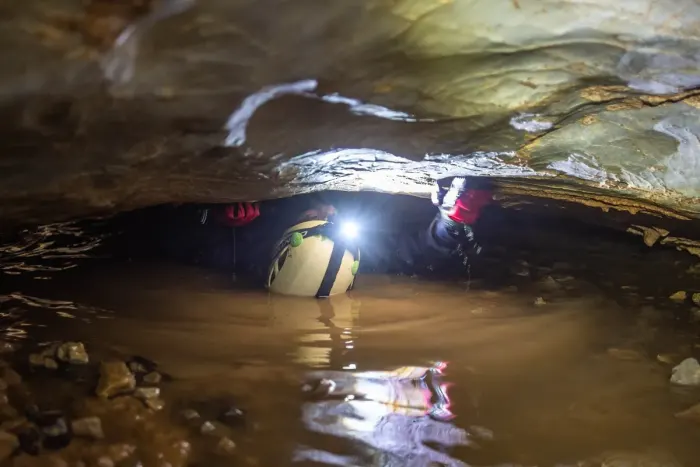 Under the ground
Beneath a house on Via della Pace in Orvieto lie more than 400 square metres of caves and tunnels on several levels, cut into the tufo across three thousand years: Etruscan grai…
See the day
Under the groundAn hour under the city, in a cave that holds a steady 14 °C.
Booked by phone
See the day
Under the groundA guided walk through part of the man-made caves dug into the tufa rock under Orvieto, with cisterns, quarries and dovecotes cut into the cliff.
See the day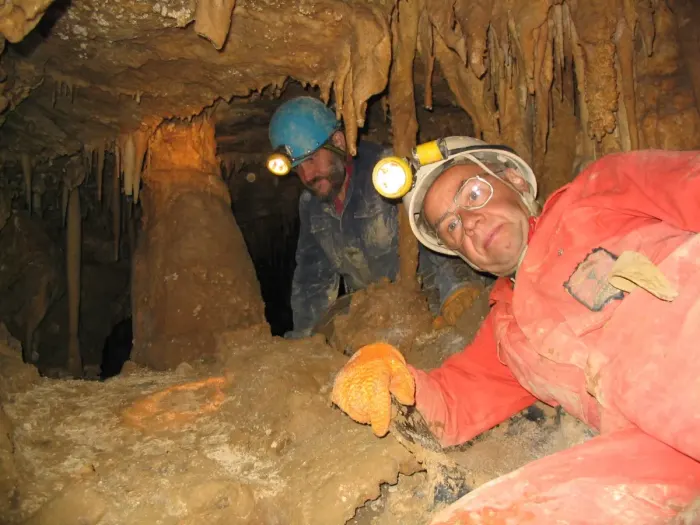 Under the ground
Turn up, pay at the door, and climb down an Etruscan well and its caves.
€5 per person
Books on orvietobooking.com
See the day
Under the groundA self-guided route through nine linked caves under the medieval quarter of Orvieto, including an Etruscan well, a kiln for medieval pottery and pre-Roman finds left where they …
See the day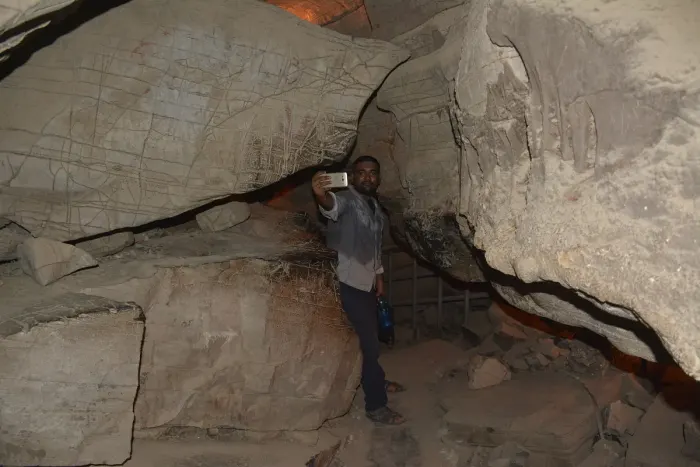 Under the ground
A sixteenth-century well sunk into the tufa cliff, with two helical staircases built one above the other so that pack animals going down never crossed those coming up.
See the dayDriving time from the middle of Rome, on the road network and without traffic. It tells you whether the day stands up; it is not a timetable.
Getting there
The day stays yours: you leave when you want, stop where you want, and come back when the light goes.
Affiliate link — you pay their price, never more, and they pay us. You book with Localrent, and anything about that booking goes through them.
See prices on LocalrentNo parking to find, no wrong turns, and you leave when the day is done.
Affiliate link — you pay their price, never more, and they pay us. You book with Welcome Pickups, and anything about that booking goes through them.
See prices on Welcome PickupsNot erupting, no. The Alban Hills volcano south of the city is classed as quiescent rather than extinct, which in practice means hot springs, gas vents and small earthquakes rather than anything to plan around.
In several of them, and Bracciano and Bolsena are the popular ones. The card tells you what each operator offers; where a lake has a swimming rule, the people running the day know it.
Compacted volcanic ash. It cuts like hard cheese when freshly quarried and hardens in the air, which is why this region is full of rock-cut tombs, cellars and entire towns carved rather than built.
Albano, under the papal palace at Castel Gandolfo, about half an hour out. Nemi is the small one next to it and the one with the Roman ships in a museum on its shore (closed for restoration until 7 September 2026 — check before you go).
The hills immediately south of the city are one — a single large collapsed cone with the Castelli towns on its rim and two lakes in the bottom — and much of Rome is built out of the tufo those eruptions left. The city itself sits on the Tiber plain beside it.
Not erupting. The Alban Hills volcano is classed as quiescent rather than extinct, which in practice means hot springs, gas vents and small earthquakes rather than anything a visitor plans around.
Six within reach: Albano and Nemi in the southern volcano, Bracciano and Martignano to the north-west, and Vico and Bolsena further north. Bolsena is the largest of them and has two islands in it, and Bracciano has no engines allowed on it.
Compacted volcanic ash. It cuts like hard cheese when it is freshly quarried and hardens in the air, which is why this region is full of rock-cut tombs, sunken roads, cellars and entire towns carved rather than built. It is the single fact that explains most of what you will see north of Rome.
From the rim at Rocca di Papa or Castel Gandolfo, looking down into the crater with the lakes in it. From a boat on Bolsena, which has two islands in it. Or from the air, where it takes about ninety seconds to become obvious.
Links marked affiliate pay us a commission — you pay the operator's own price and we never take your money. How we rank