 On the trail
The Pope's summer palace and its Secret Garden
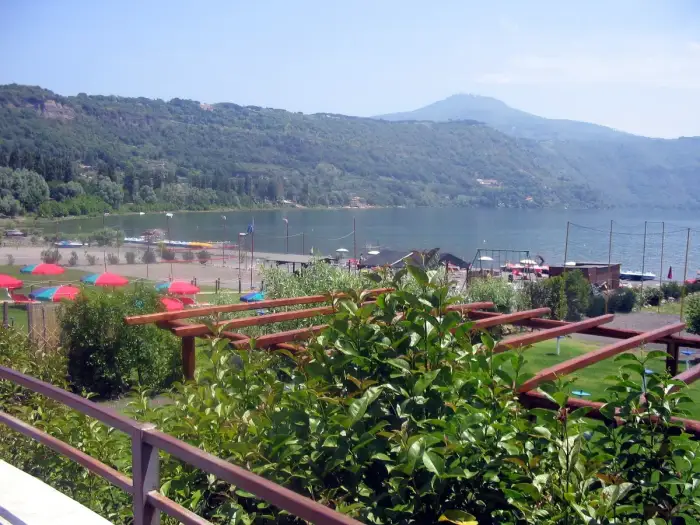
The Apostolic Palace at Castel Gandolfo was opened to the public in 2014.
See the day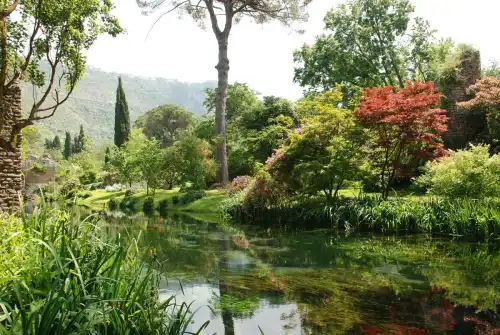
Inside things
Every hill town around Rome has a castle, an abbey or a museum, and almost none of them have a queue. Several will open specially if you call.
40 things to book34 placesthe nearest is a 33 min drive from Rome
This is the part of the region that Rome's own museums make invisible. Within an hour and a half's drive of the city there are Cistercian abbeys still lived in by monks, castles that were prisons until recently, town collections built by the people whose grandparents dug the mines, and papal palaces with frescoed rooms that three people a day walk through.
The four grids are four different visits, and they ask for different amounts of you. A castle is an hour, a view and a staircase. An abbey is quiet and usually free, though the hours follow the community rather than the visitor — the Benedictine houses at Subiaco are built into a cliff, and Montecassino is the one people have heard of. A town museum is thirty minutes and is almost always better than its own signage suggests. A guided walk is two hours with somebody who lives there, and it is the cheapest good thing in this catalogue.
The one thing to plan around is that opening is a local matter. Many of these are looked after by an association or a Pro Loco rather than a ministry, which means they open when somebody is there, close for lunch in the way Italy closes for lunch, and will often open specially if you ring in advance. Where the operator publishes hours we print them with the date we read them; where they take the booking by phone, the number is on the card, and using it is the difference between a visit and a locked door.
And nowhere on it is there a queue. A frescoed cathedral crypt at Anagni, a Byzantine abbey at Grottaferrata, a museum at Nemi built around two Roman ships (closed for restoration until 7 September 2026 — check before you go) — in Rome each of those would mean a queue, and here you may be the only person in the room.
On a rock, above the town, with a view that explains why somebody built there. Some are museums now, one at Gaeta served as a military prison into living memory, and the largest of them — the royal palace at Caserta — is a whole day rather than an hour. Most of the rest fit comfortably into a morning with a lunch afterwards.
Best fit for this section first, then whatever you can book today. Closest to Rome breaks a tie. Never by who pays us.
On the trailThe Apostolic Palace at Castel Gandolfo was opened to the public in 2014.
See the day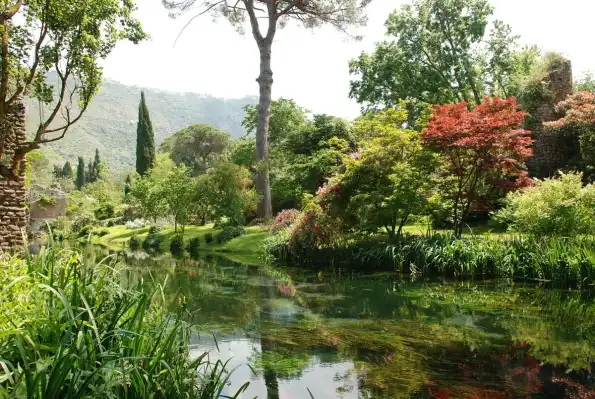 On the trail
Visit to the medieval fortress that dominates the hill town of Sermoneta, run by the same foundation that owns the Garden of Ninfa.
See the day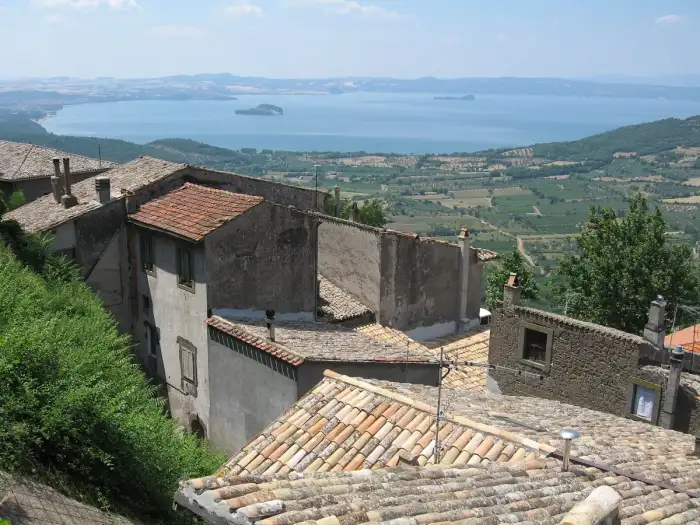 On the trail
The papal fortress above Montefiascone, overlooking Lake Bolsena.
See the day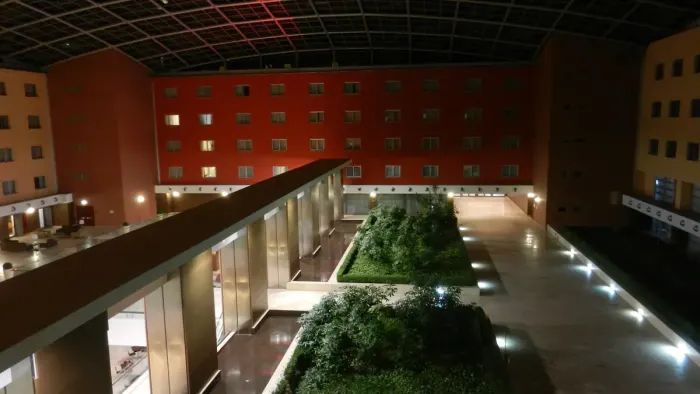 On the trail
One ticket for the royal apartments, the royal park and the English Garden.
See the day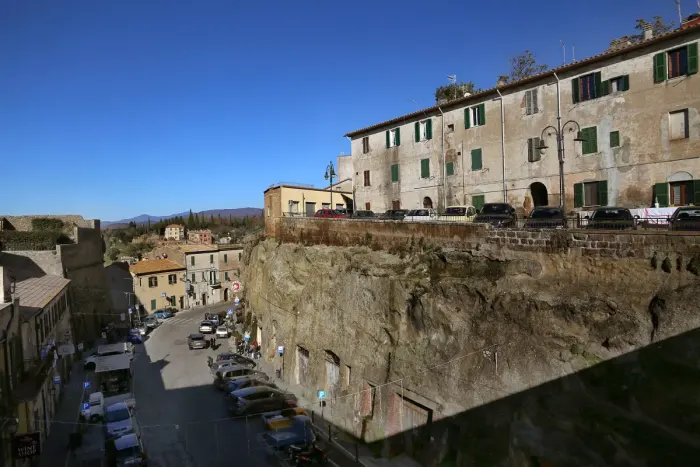 On the trail
The diocesan museum inside the Orsini fortress that dominates Pitigliano, spread over twenty-one rooms: Renaissance frescoes, painted wooden ceilings, sculpture including work a…
See the day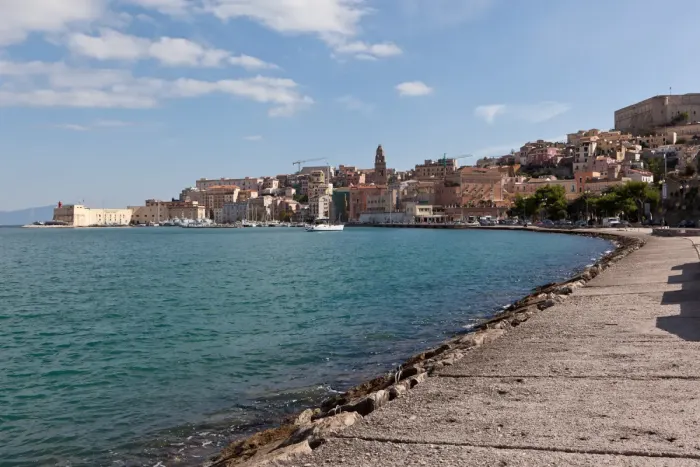 On the trail
The Angevin castle above Gaeta served as the country's military prison within living memory, and the guided visit is about that as much as about the Middle Ages.
See the day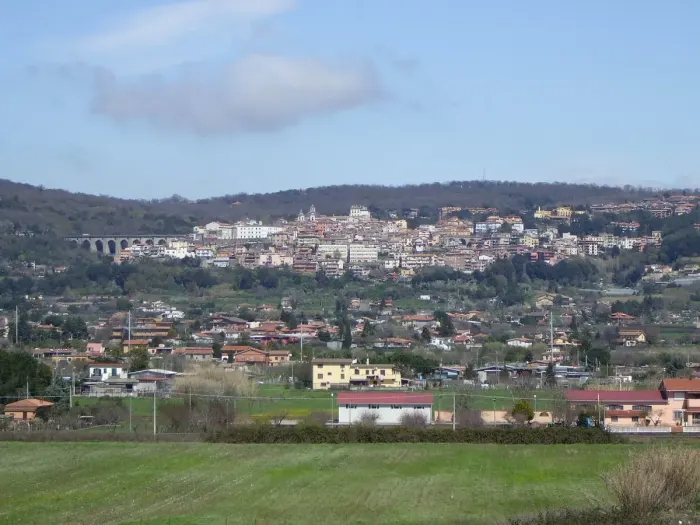 On the trail
A guided visit to the piano nobile of Palazzo Chigi in Ariccia, the baroque residence that still has its original furnishings, with the Cardinal's Rooms and the Museum of the Ba…
See the day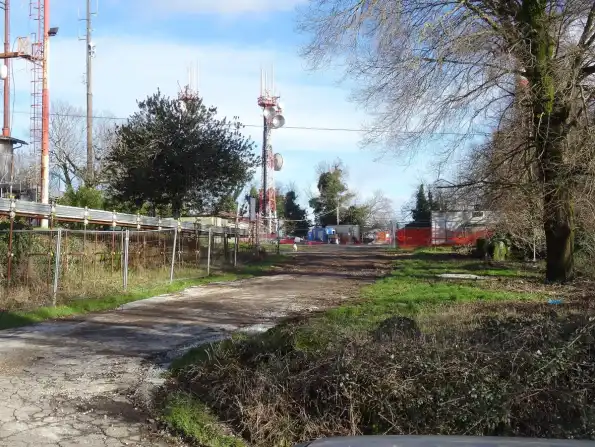 On the trail
A four-hour, nine-kilometre loop of medium difficulty around the Via Sacra climbing towards Monte Cavo, up to the belvedere over both lakes.
See the day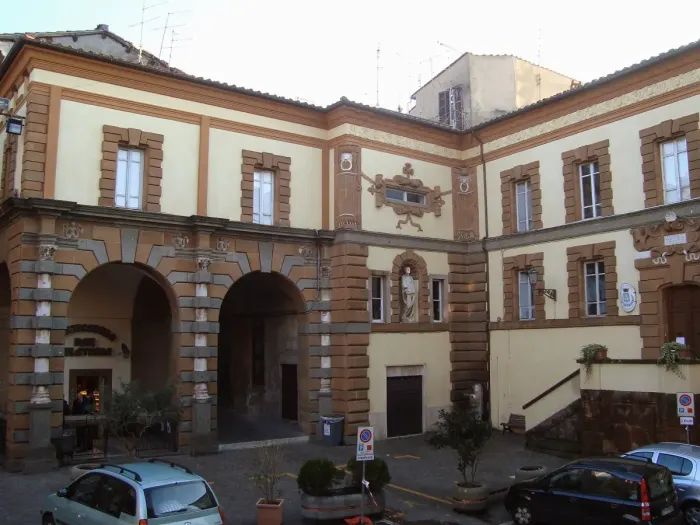 On the trail
A toy museum housed in Palazzo Rospigliosi in the centre of Zagarolo, half an hour east of Rome and reachable by train.
See the day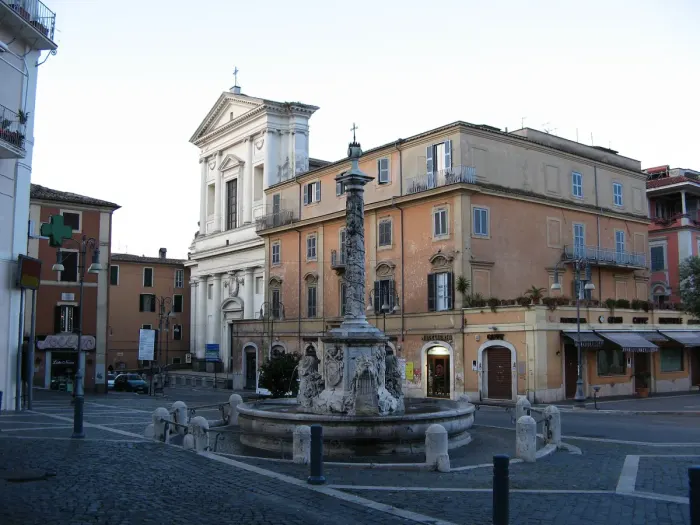 On the trail
A guided walk starting at the Parco delle Olmate, where a stretch of the via Virbia paving survives, through the Parco Sforza Cesarini with stops on its history, mythology and p…
See the dayWorking religious houses, most of them very old and most free to walk into — with hours that follow the community's day and close across the middle of it. The card carries what the operator publishes, with the date we read it. Subiaco has the monastery built into the cliff face; Farfa and Casamari and Fossanova are the great Cistercian and Benedictine houses of the region; Grottaferrata is Byzantine, and the last house of its kind near Rome.
Best fit for this section first, then whatever you can book today. Closest to Rome breaks a tie. Never by who pays us.
 On the trail
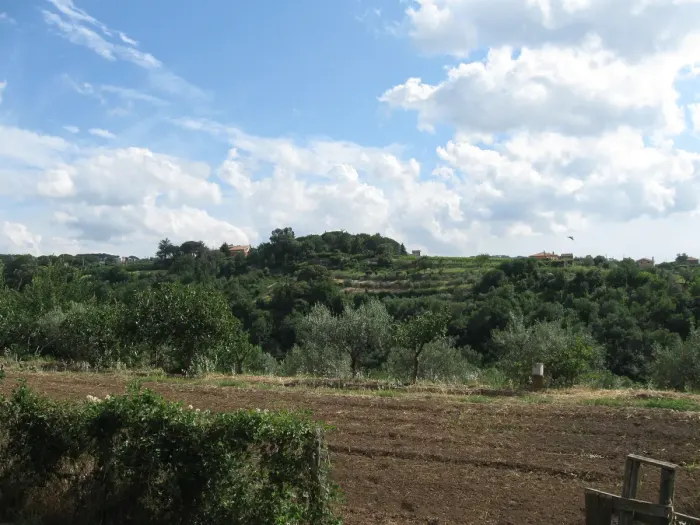
A Greek-rite abbey founded in 1004 by monks from southern Italy led by St Nilus of Rossano, the last of the Byzantine monasteries that were once spread across southern Italy and…
See the day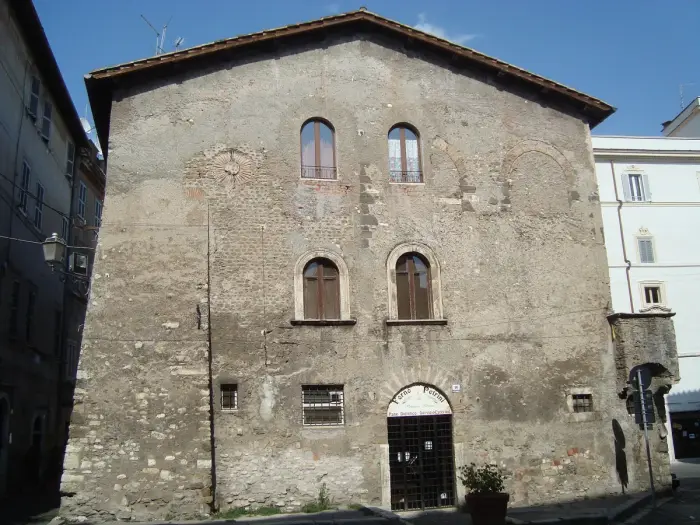 On the trail
Entry to the monumental Roman sanctuary of Hercules Victor at Tivoli, the third site of the VILLÆ complex.
See the day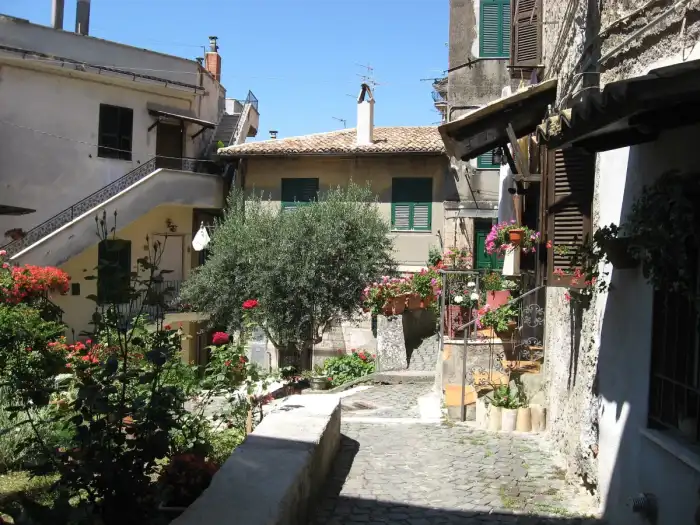 On the trail
A visit to the monastery of San Benedetto, built against the rock face above the Aniene valley, where Benedict lived as a hermit.
See the day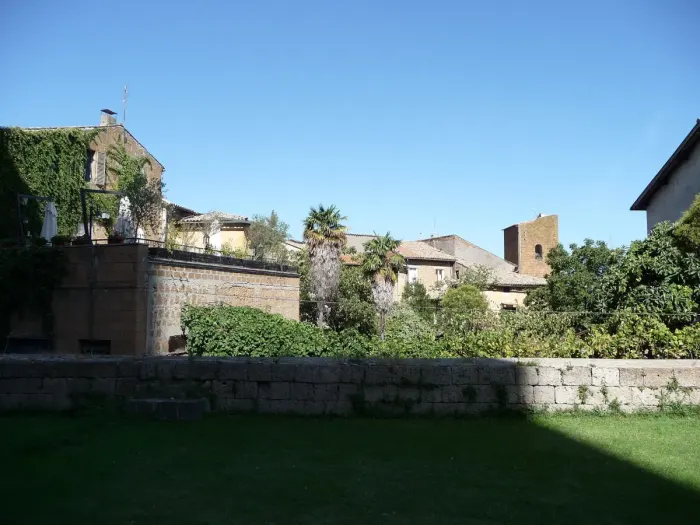 On the trail
One ticket for the cathedral, the Emilio Greco museum and the underground rooms beneath the Duomo.
See the day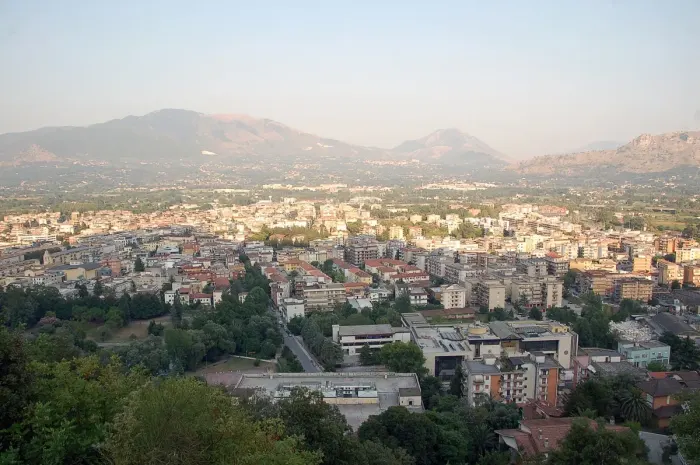 On the trail
A guided visit inside the abbey founded by Saint Benedict in 529 above Cassino.
See the day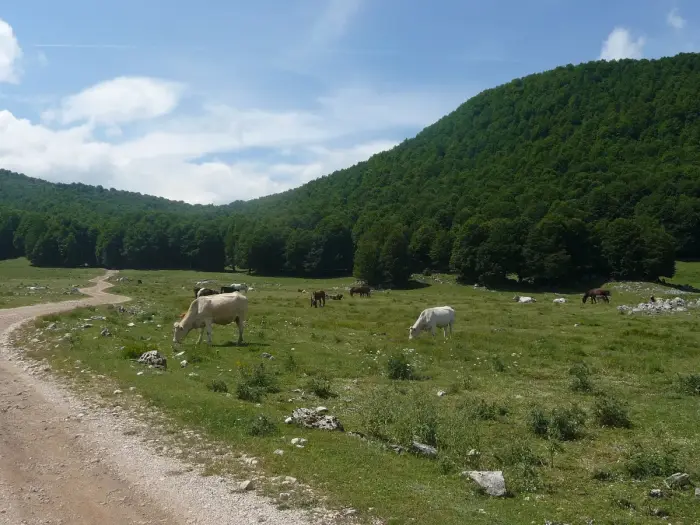 On the trail
A ring hike starting at the car park of the Santissima Trinità sanctuary above Vallepietra, along the Alta Via del Parco and part of the Frassati path, crossing the karst depres…
See the day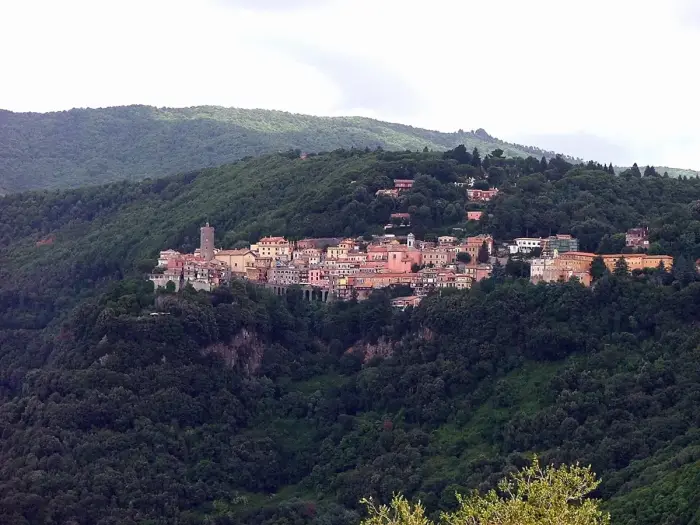 On the trail
A four-hour day around Lake Nemi that takes in the temple of Diana, the Museo delle Navi Romane with Caligula's ships, and the walk towards the Roman emissary, then visits three…
See the day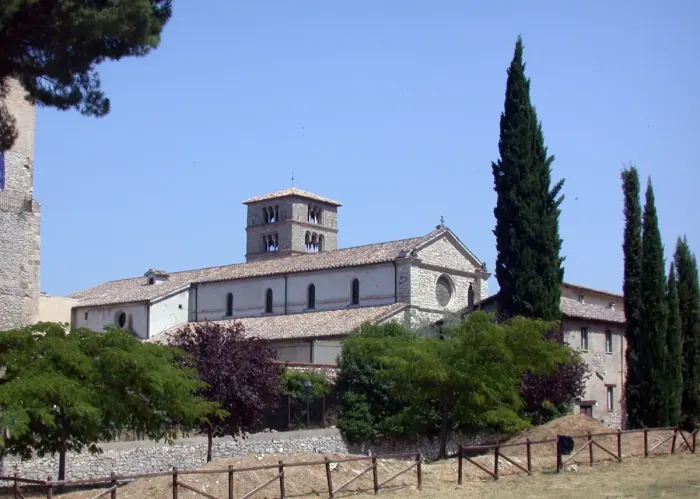 On the trail
A monk-run guided tour of one of the great Benedictine abbeys of medieval Europe.
See the day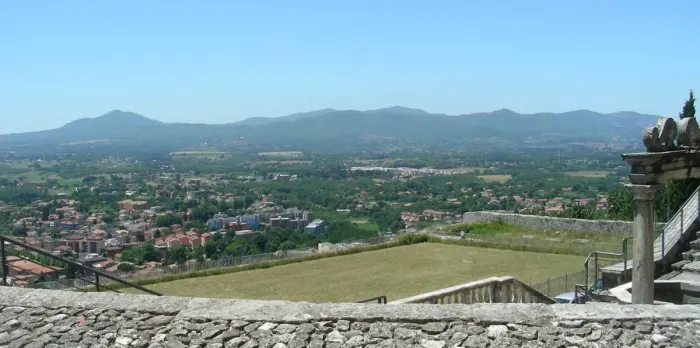 On the trail
Modern Palestrina is built on and around the terraces of ancient Praeneste.
See the day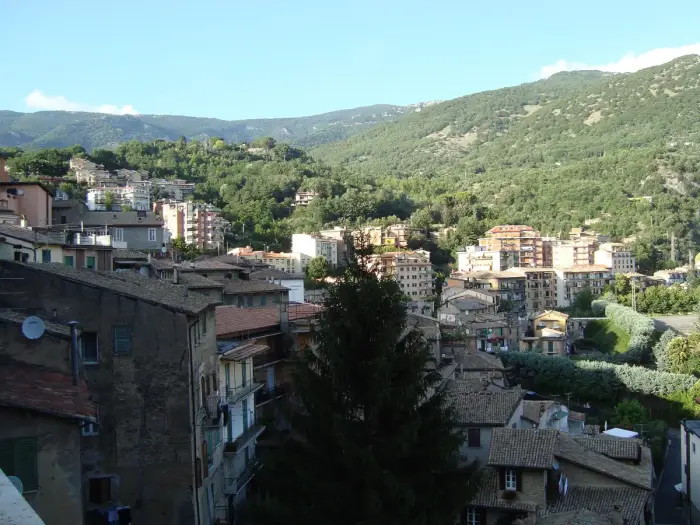 On the trail
Guided visits to the Benedictine monasteries of Subiaco, candidates for UNESCO listing, starting from the abbey of Santa Scolastica.
See the dayMining, brigandage, paper, toys, peonies, geology, and a good deal of archaeology. Built by the towns themselves out of what their own ground produced, which is why they are better than that list sounds. Thirty to sixty minutes each, and usually the thing that makes sense of everything else you saw that day.
Best fit for this section first, then whatever you can book today. Closest to Rome breaks a tie. Never by who pays us.
 On the trail
The museum was built between 1933 and 1939 to hold two enormous ships of the emperor Caligula recovered from Lake Nemi, destroyed by fire in 1944.
See the day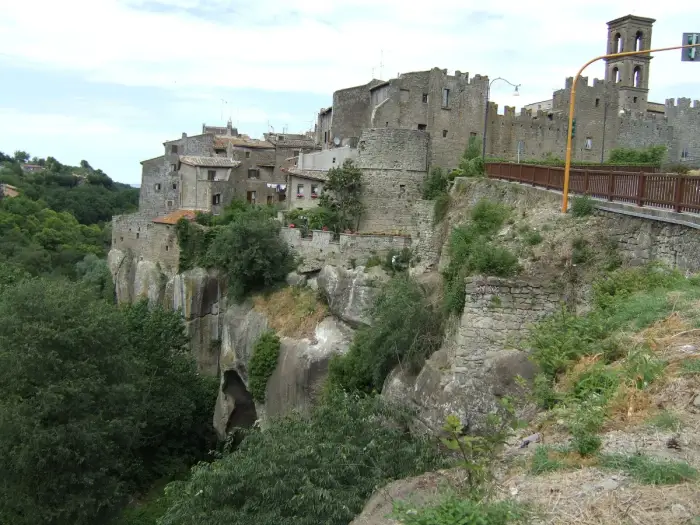 On the trail
A collection of tree and herbaceous peonies laid out as a garden below Vitorchiano, in flower from the end of March to the end of May: the single-flowered shrubs first, then the…
See the day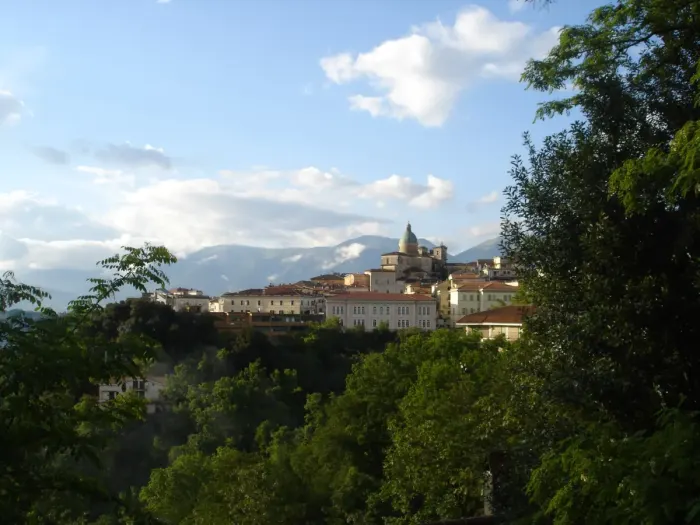 On the trail
Five rooms inside Palazzo Ducale Cantelmo covering the eighth century BC to the late Middle Ages, with finds from the Comino valley - the Ominimorti necropolis at San Biagio Sar…
See the day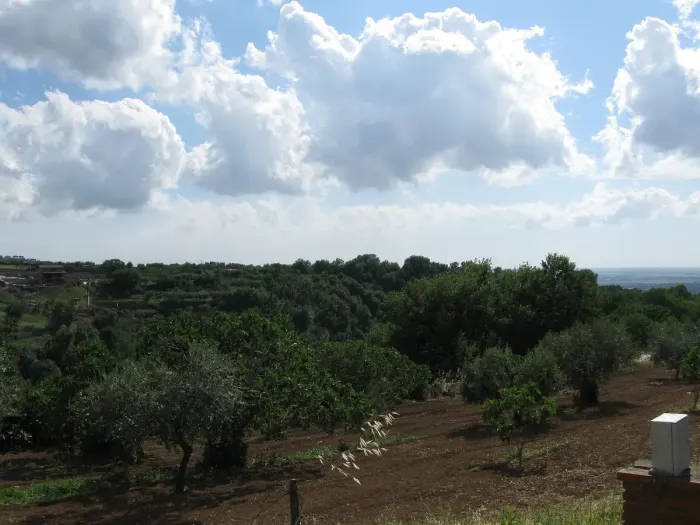 On the trail
Visitors wear headsets for a mixed-reality tour through the piano nobile and the Pannini Gallery of Villa Grazioli, one of the Tuscolan villas.
See the day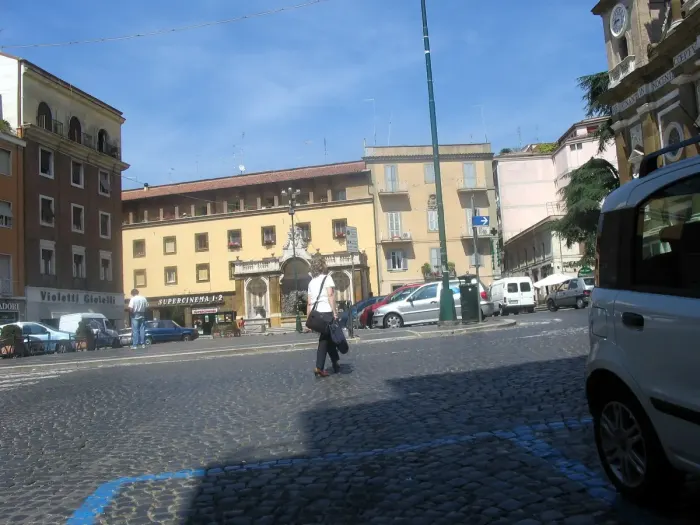 On the trail
A single combined ticket covering the Museo Tuscolano in the Scuderie Aldobrandini at Frascati, Villa Mondragone — the largest of the Tuscolan villas — the archaeological park o…
See the day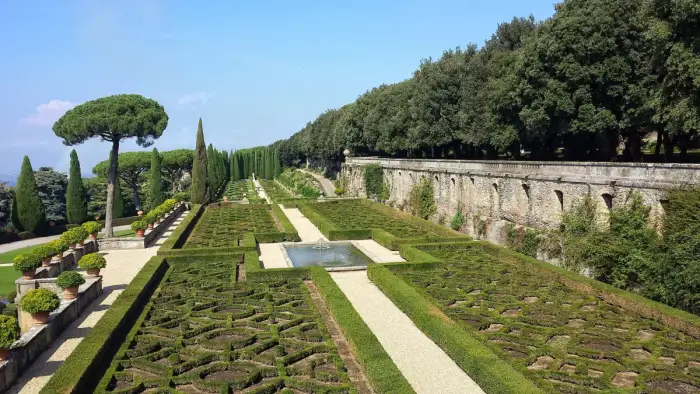 On the trail
The civic museums of Albano Laziale and the town's monument circuit can be visited on your own without booking, for individuals or groups of up to ten.
See the day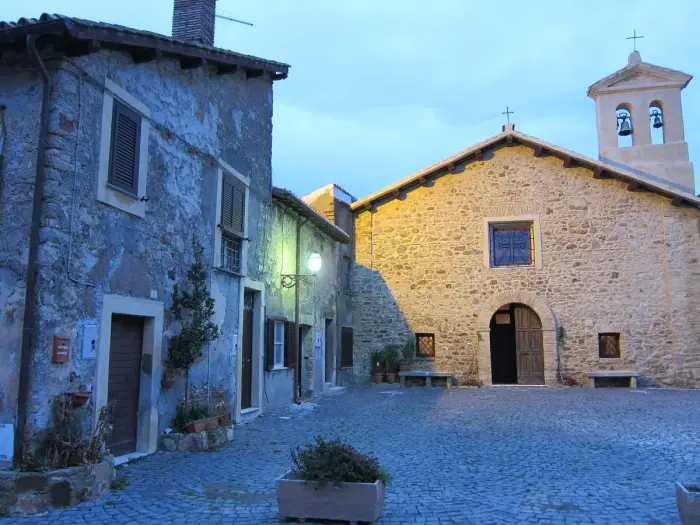 On the trail
Guided visit to the tumulus tombs of the Banditaccia and to the Tomb of the Reliefs, carved in the fourth century BC with stucco copies of household objects, plus the museum hol…
See the day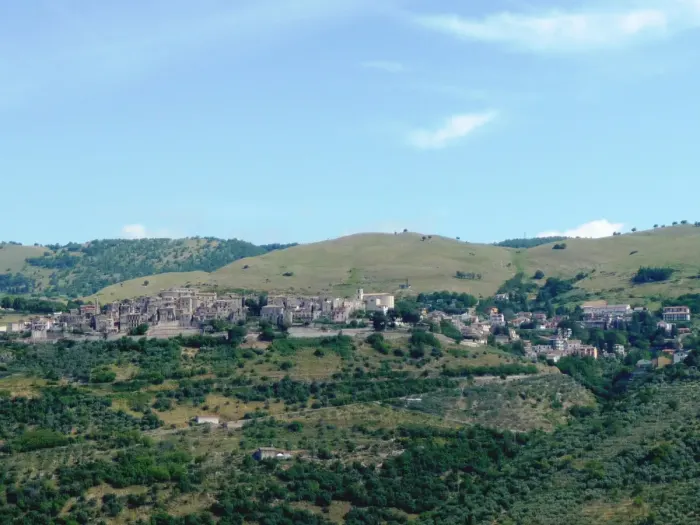 On the trail
An archaeological museum at Anagni built to cover the whole surrounding district rather than the town alone, telling the earlier and less known history of a place mostly visited…
See the day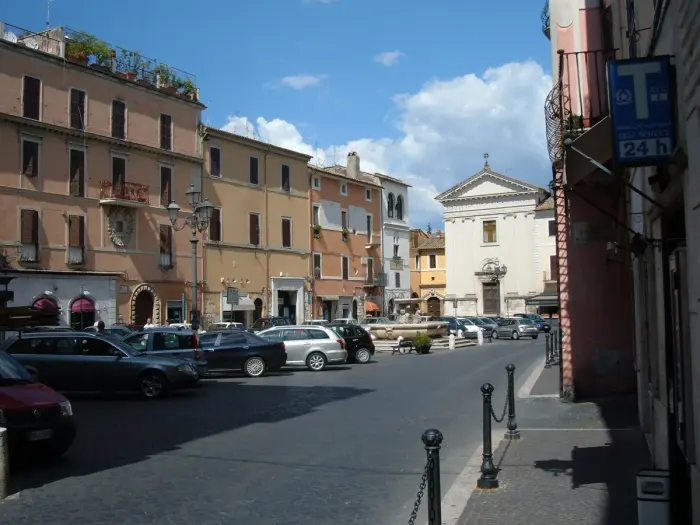 On the trail
Guided visit to the National Museum of the Agro Falisco, to Forte Sangallo and to the cathedral with its Cosmati mosaic porch, led by a licensed tourist and environmental guide.
See the day On the trail
A half-day guided visit to the Monterozzi necropolis, a UNESCO site, and to the National Archaeological Museum in the old town.
See the dayA person who lives there, walking you through the town for an hour or two. The cheapest good thing in this whole catalogue, and the one that most reliably changes a town from a set of streets into somewhere you understood. Several of these are run by licensed guides who work in English and French as well as Italian, and the card says which.
Best fit for this section first, then whatever you can book today. Closest to Rome breaks a tie. Never by who pays us.
 On the trail
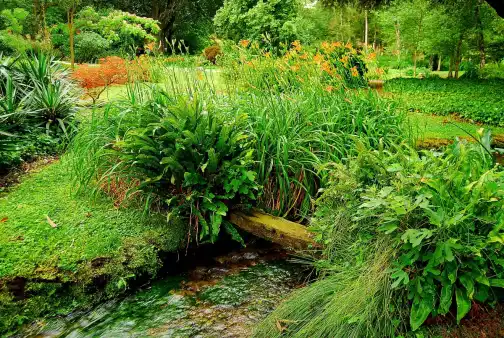
A guided walk through the garden built inside the ruins of the medieval town of Ninfa, among watercourses, bridges and plants from several continents.
See the day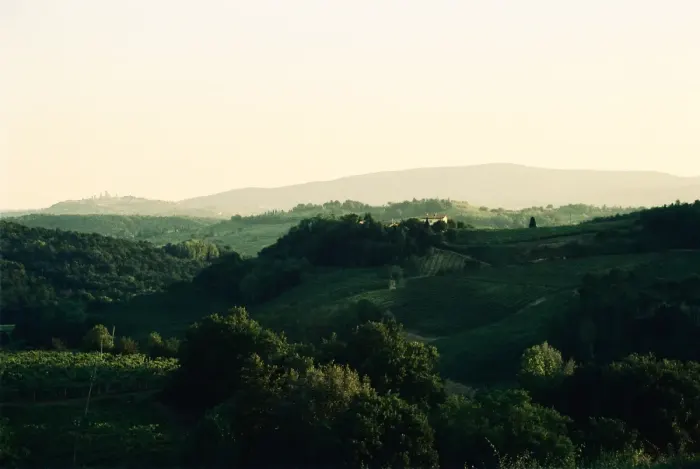 On the trail
A certified tourist and environmental guide who runs a public calendar of walks and treks in the Tuscia: Tarquinia and its necropolis, Tuscania by night, the Sacro Bosco of Boma…
See the day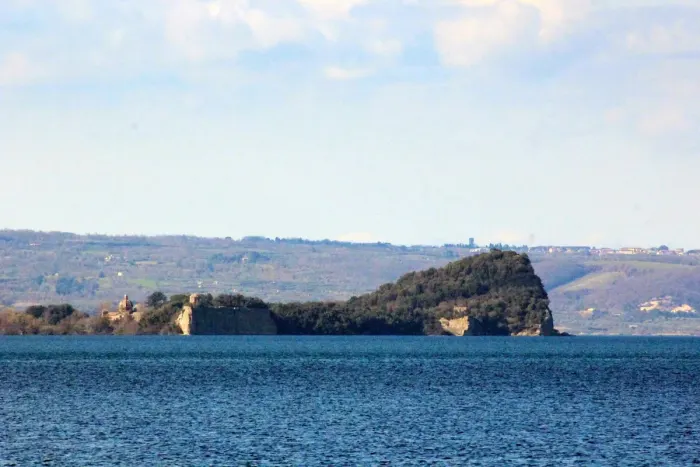 On the trail
A guided walk on the private island in the middle of Lake Bolsena, reachable only by boat from Capodimonte or Bolsena.
See the day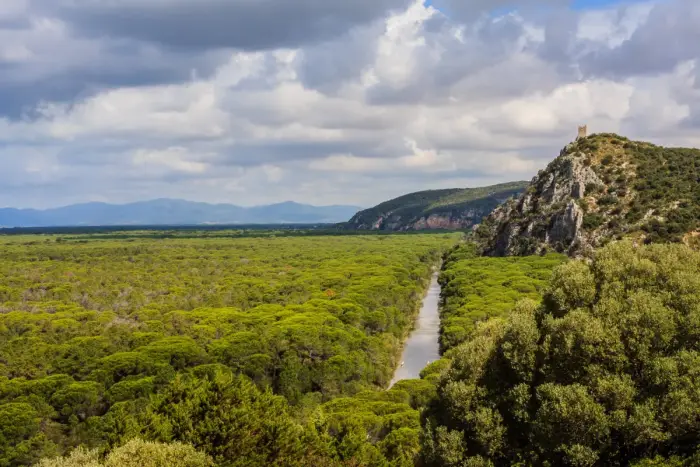 On the trail
Guided outings inside the Maremma regional park led by nature guides certified by the Region of Tuscany, on foot, on horseback, by carriage, by canoe or by bicycle.
See the day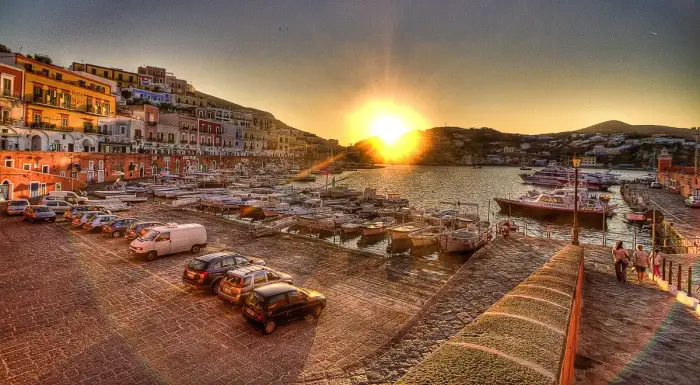 On the trail
A guided walk of about 2.5 km through the eighteenth-century Bourbon harbour of Ponza.
See the day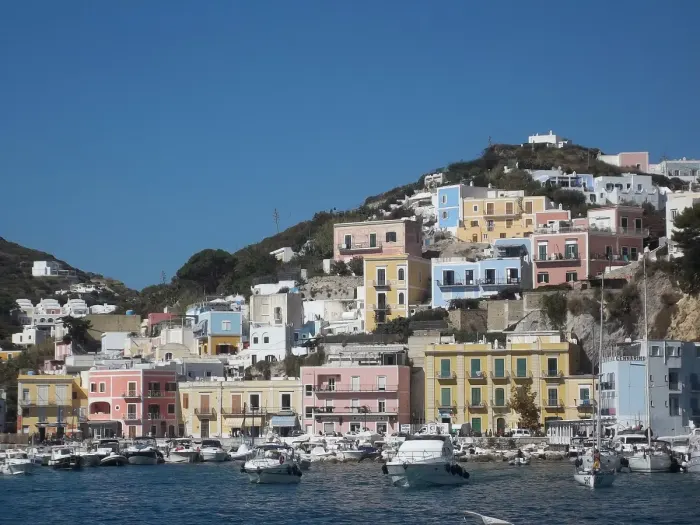 On the trail
Guided walk of about 2 km around the abandoned bentonite mine at Le Forna, on the northern end of Ponza.
See the day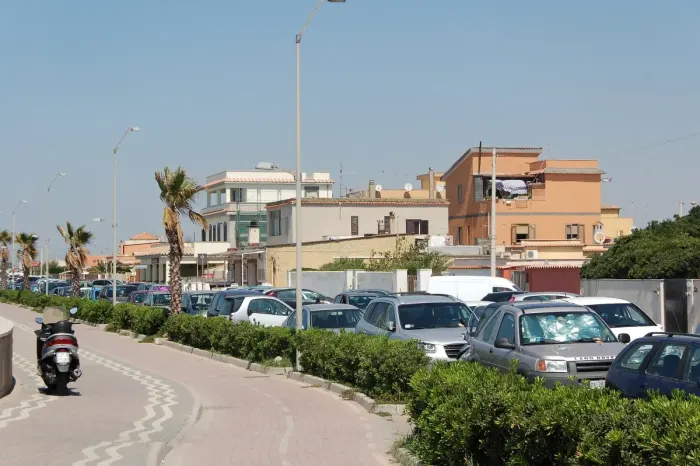 On the trail
A WWF-run reserve of meadows and Mediterranean woodland near Fregene, in the Fiumicino municipality.
See the day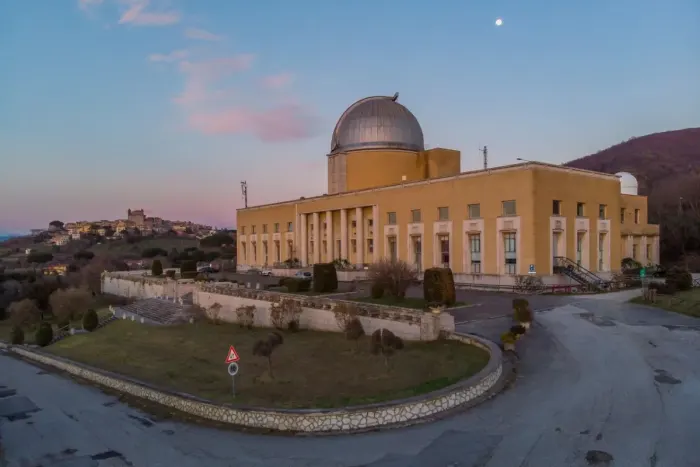 On the trail
Villa Mondragone sits on the Tuscolan hills between Frascati and Monte Porzio Catone.
See the day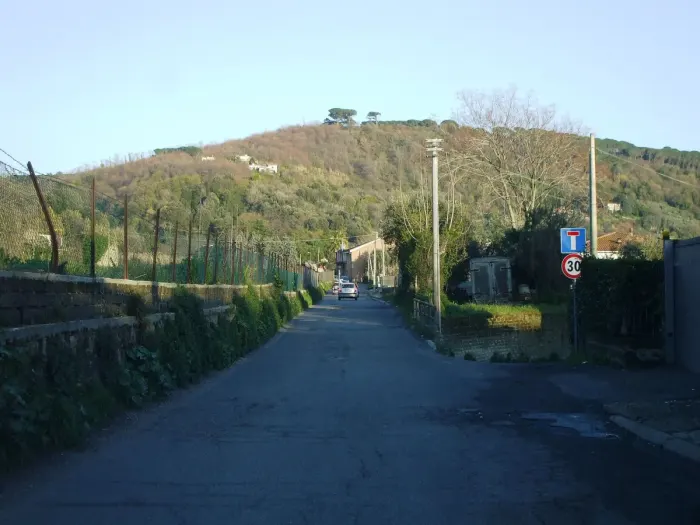 On the trail
A guided walk that starts in Piazza di Corte, crosses the whole old town and follows the sixteenth mile of the Appian Way through the Valle Ariccia, coming back up by the modern…
See the day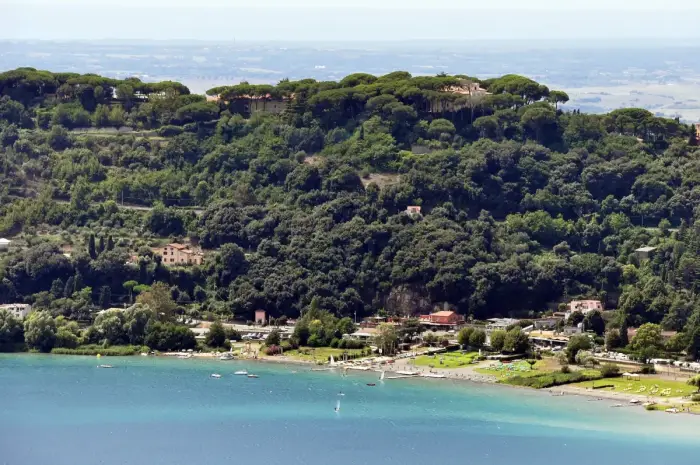 On the trail
Meet at Campi di Annibale at nine, climb through the woods to the Loggetta viewpoint and on to the top of Monte Cavo, the summit of the Castelli Romani.
See the dayDriving time from the middle of Rome, on the road network and without traffic. It tells you whether the day stands up; it is not a timetable.
Ponza is an island: you get there by ferry, not by road, so there is no driving time to give.
Getting there
The day stays yours: you leave when you want, stop where you want, and come back when the light goes.
Affiliate link — you pay their price, never more, and they pay us. You book with Localrent, and anything about that booking goes through them.
See prices on LocalrentNo parking to find, no wrong turns, and you leave when the day is done.
Affiliate link — you pay their price, never more, and they pay us. You book with Welcome Pickups, and anything about that booking goes through them.
See prices on Welcome PickupsSometimes, and sometimes not. Many are run by a local association rather than a ministry, so the honest answer is to call the number on the activity page the day before. Where the operator publishes hours, we show them with the date we read them.
Where the operator says so, the activity page says so. Many of the smaller ones are not, and a guide who speaks only Italian will still show you the building — but if language matters to you, phone first.
Caetani at Sermoneta, the Orsini fortress at Pitigliano, the Rocca dei Papi above Montefiascone, the castle at Gaeta that spent its last working years as a military prison, the papal palace at Castel Gandolfo with its gardens, and the royal palace at Caserta, which is a different order of thing altogether. They are all in the first grid.
Subiaco, for the monastery built into the rock face above the valley. Montecassino, for the site and the story. Farfa in the Sabina and Grottaferrata in the Castelli, both an easy morning from the city. Most abbeys are free to enter and open daily; the guided visits on the cards are what gets you into the parts that are not.
Abbeys and churches you can generally walk into. Castles, museums and anything with a guide are better booked, and a number of the smaller ones open by appointment — which sounds like an obstacle and is usually the opposite, because it means somebody shows you round. The number is on the card.
Where the operator has told us they work in English, the card says so. Several of the town walks are run by licensed guides working in more than one language. Where a visit runs only in Italian, the building is still worth the drive — but if you want the story as well as the walls, ring ahead.
Almost all of this. A frescoed cathedral crypt at Anagni, a Byzantine abbey at Grottaferrata, an Etruscan museum at Tarquinia, a toy museum in a palazzo at Zagarolo. None of these have the queues Rome has, because almost nobody outside the area knows they are there.
Links marked affiliate pay us a commission — you pay the operator's own price and we never take your money. How we rank