The Etruscans built their houses in wood and their tombs in rock, so what survives is the underground half of the civilisation. Cerveteri is a city of round tumuli with streets between them; Tarquinia is a field of underground chambers, a few dozen of which are painted, and the paintings are the best evidence anyone has of what Etruscan life looked like.
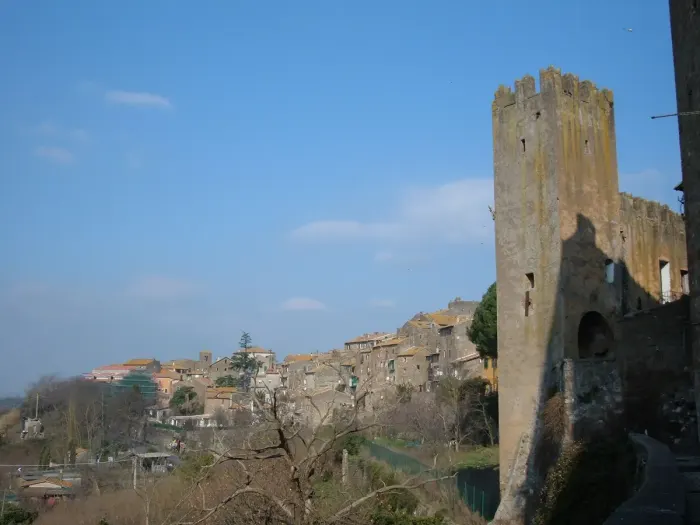
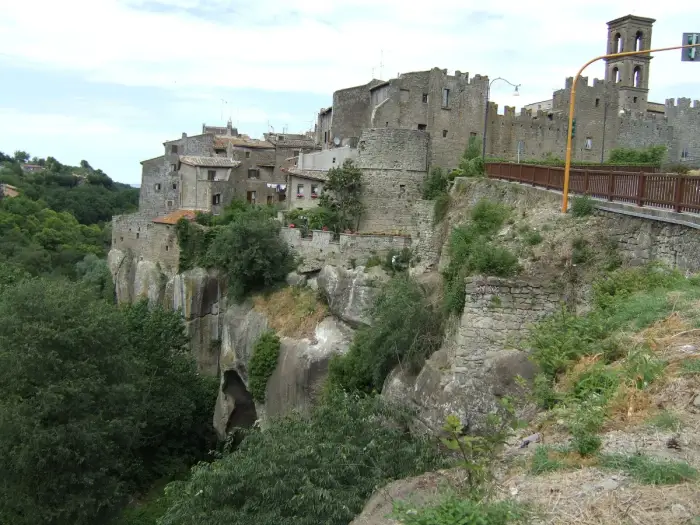
Beyond the two famous ones, the whole of the Tuscia is Etruscan: sunken roads cut metres deep through the tufo, tombs in the sides of every gorge, and museums in half the hill towns holding what came out of them.
What this means in practice is that an Etruscan day is spent below ground level and in museums. The tombs are the site; the objects that came out of them are half an hour away in a palazzo. Doing one without the other is the commonest way to come home thinking there was less to see than there is.
A guide changes this page more than it changes any other on the site. Painted chambers are lit and locked, opened on a rotation, and read very differently once somebody tells you what the banqueting scene is doing on the wall of a grave. Without that, the honest description of a necropolis is that it is a field of doorways.
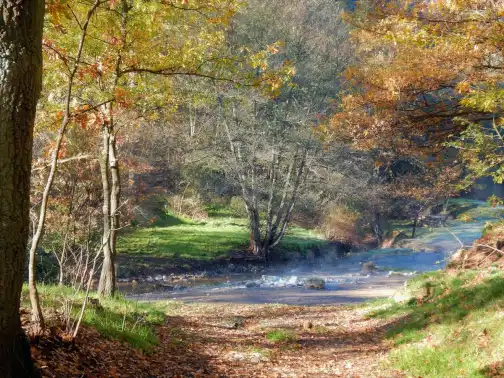
Bring a torch and shoes you do not mind on wet stone. Tomb chambers are cut into tufo, which holds damp; the sunken roads hold it too, and are cool and green even in the middle of August, which makes them the walk to take in the Tuscia when everything above ground is unbearable.
 On two wheels