Orvieto

Over the border

Umbria from Rome

The nearest bit of Umbria is closer to Rome than half of Lazio, and it has a cathedral, an underground city and a waterfall the Romans cut by hand, still switched on and off for a hydroelectric plant.

57 days out22 placesthe nearest is a 1 h 13 drive from Rome

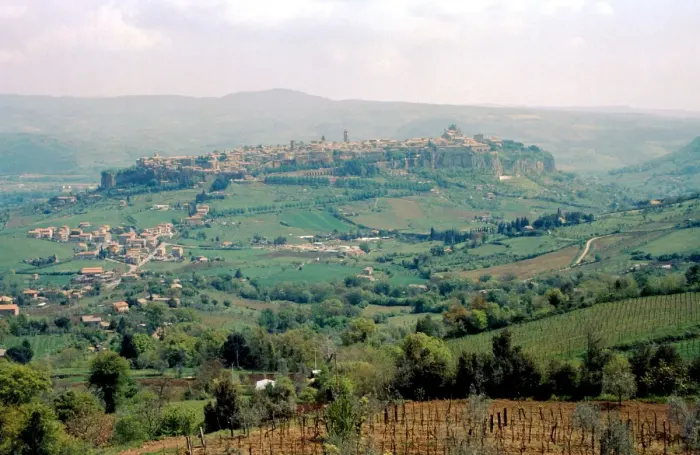
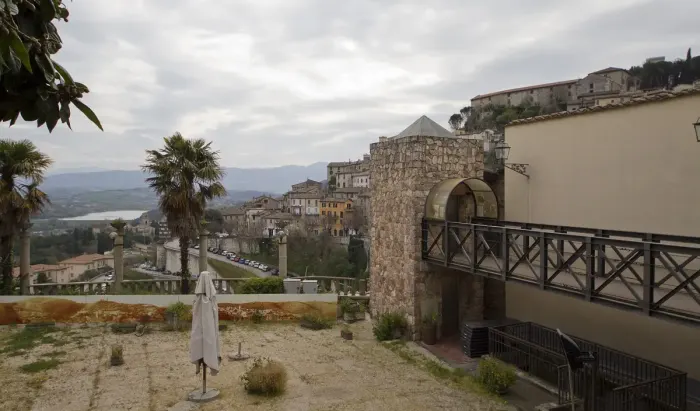
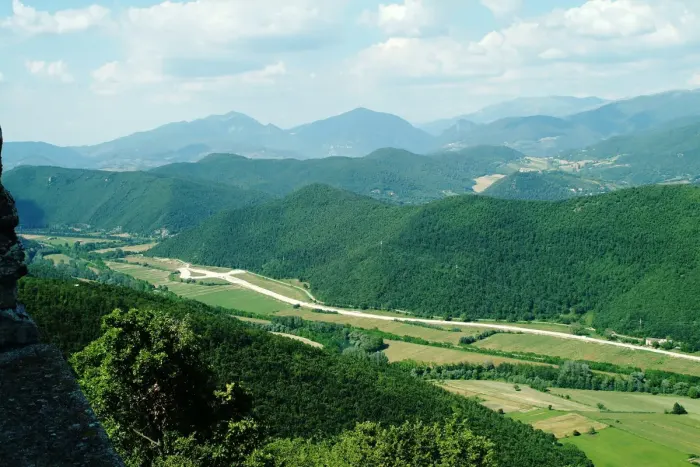
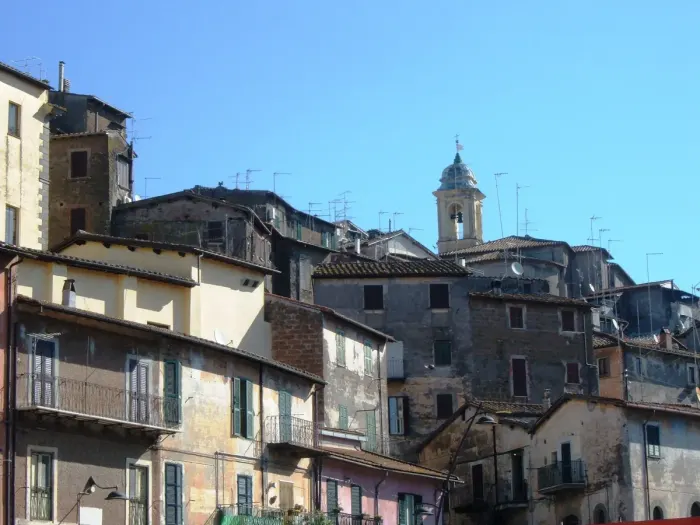
Umbria begins about ninety minutes north of Rome, and the first thing you meet is Orvieto, standing on a plug of tufo above the plain. The cathedral front is one of the great pieces of Italian Gothic and the Signorelli chapel inside it is a fresco cycle of the end of the world, one of the great pieces of Italian painting on the way out of the Gothic. Underneath the town there are caves, wells and Etruscan tunnels going down through the rock.

Just over the Lazio border below it is Civita di Bagnoregio, a village on a pinnacle of eroding clay reached by a footbridge, slowly losing the ground it stands on. It is small, it is astonishing and it is best early or late.

East of there, the Nera valley: the Marmore falls, which the Romans cut to drain a marsh and which still fall in three stages, and around them rafting, canyoning and climbing. Narni, on the way, has an underground complex including an Inquisition cell that local cavers found by accident.

All of it is inside two hours of Rome, and all of it holds a full day.

The three grids are three different days and the mistake is to try to hold two of them together. Orvieto and Civita are the cathedral-and-hilltop day. The Nera valley is the water day — the falls, and rafting and canyoning under them. The underground is a thread that runs through both and is the one that works when the weather does not.

Orvieto is the one to pick if you only take one. The town sits on a plug of rock with a funicular up to it, everything is walkable once you are there, and it stacks a cathedral front, a fresco cycle, a well cut in a double spiral and a second city of caves and Etruscan wells underneath into an area you could cross in twenty minutes. The country around it — Castiglione in Teverina, Amelia, Lugnano — is wine and olive country and is where the tastings are.

Two things to check before you set out, and both are on the cards. The Marmore falls run to a release schedule set by the power station, so arriving between releases means arriving at a cliff. And Civita is reached on foot across a long footbridge, which decides whether it works for everybody in your party.
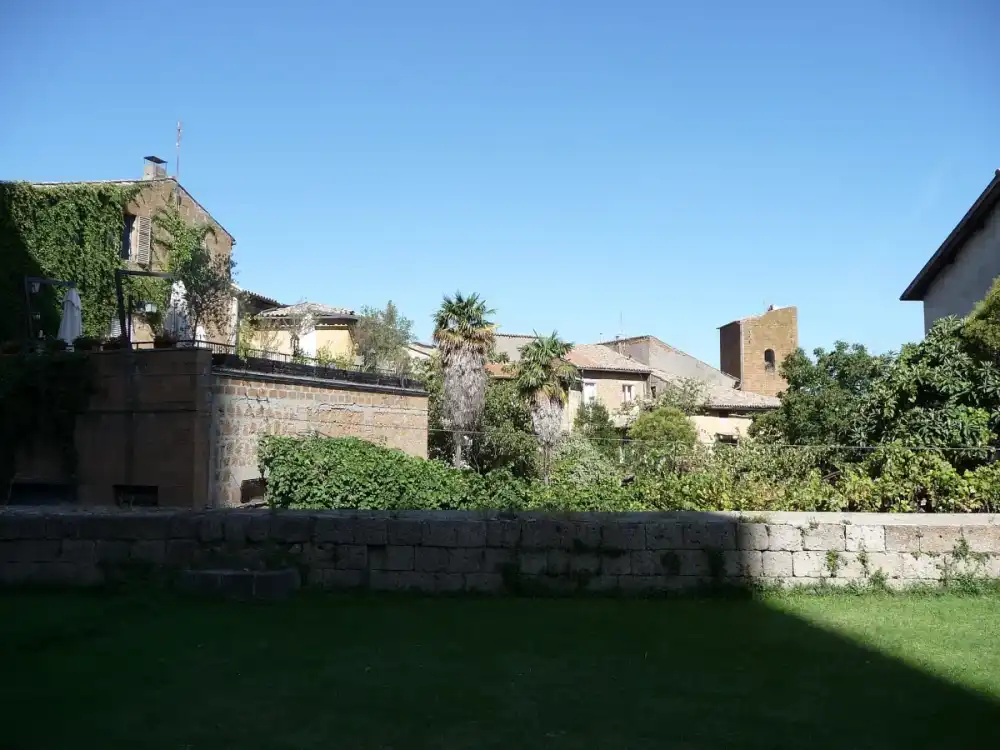
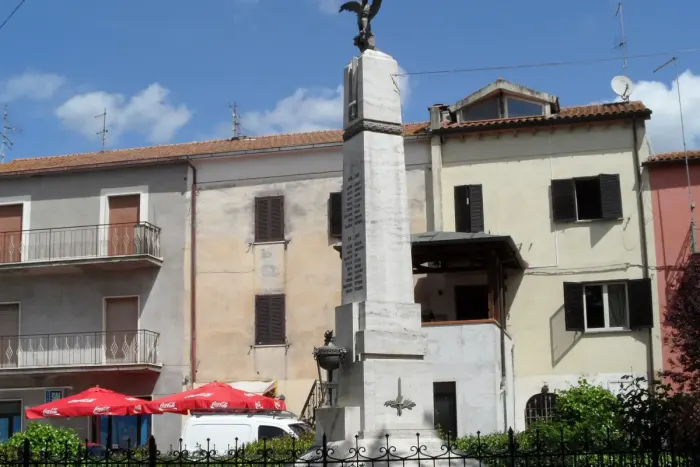
Orvieto, Civita and the country between

The cathedral town, the collapsing village, and the tufo country either side of the Umbrian border. Orvieto is the anchor and carries most of this grid; around it are wine estates at Castiglione in Teverina, hill towns at Amelia and Lugnano, and the caves and wells under the rock itself.

Closest to Rome first. Never by who pays us.

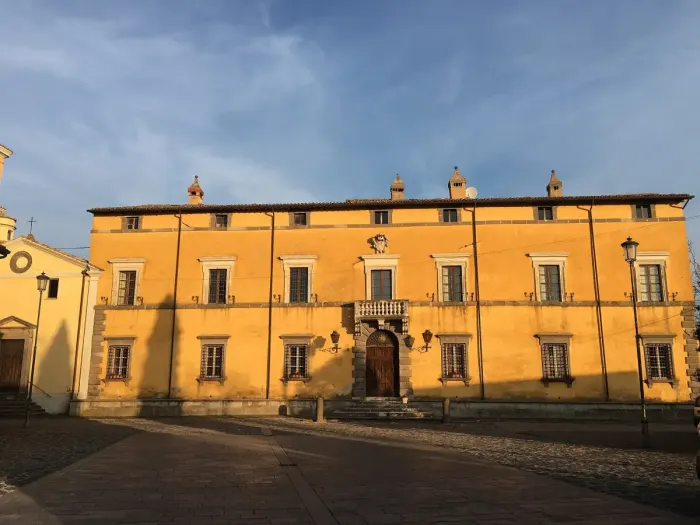
Amelia In the old stones

The cathedral of Amelia

A Baroque church at Amelia.

Free — nothing to pay

Just turn up

See the day
Civitella D Agliano With your hands
Cellar visit and six-label tasting at Sergio Mottura

The Mottura estate, 130 hectares in the Tiber valley below Civitella d'Agliano, receives visitors at its old cellar and pours six labels, including the Grechetto Poggio della Co…

See the day
Orvieto In the old stones

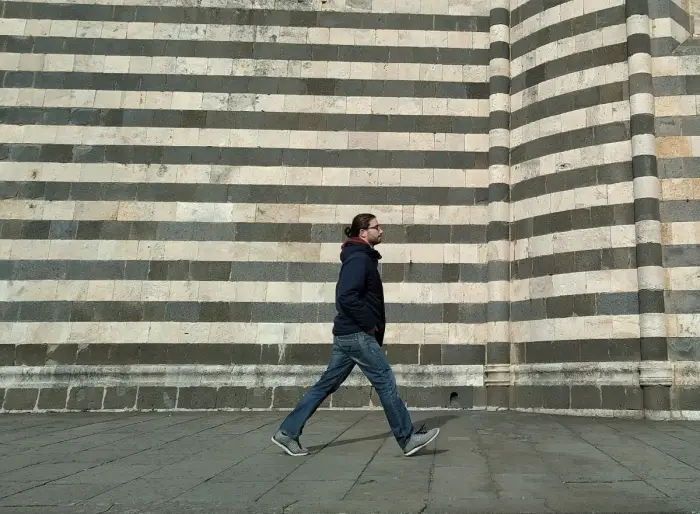
The cathedral of Orvieto

A Gothic cathedral at Orvieto, from the thirteenth century.

Free — nothing to pay

Just turn up

See the day
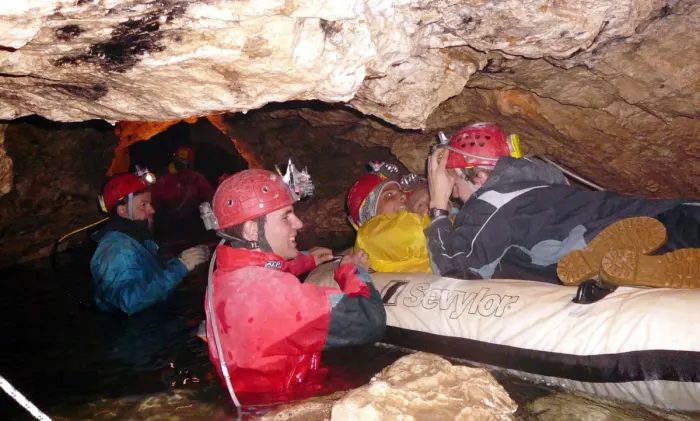
A caver with a headlamp inside a cave passage Under the ground

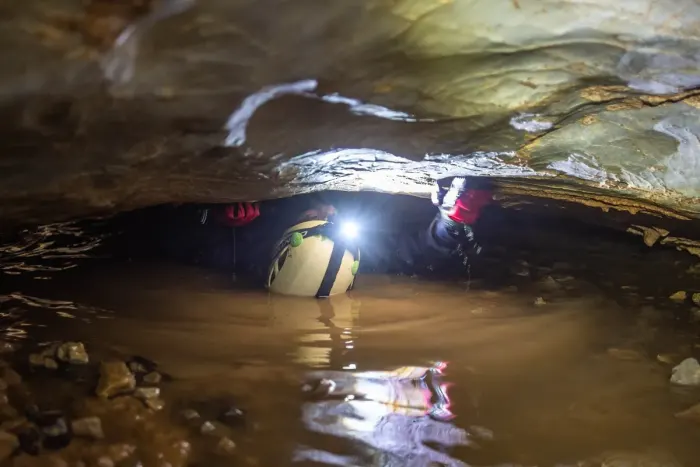
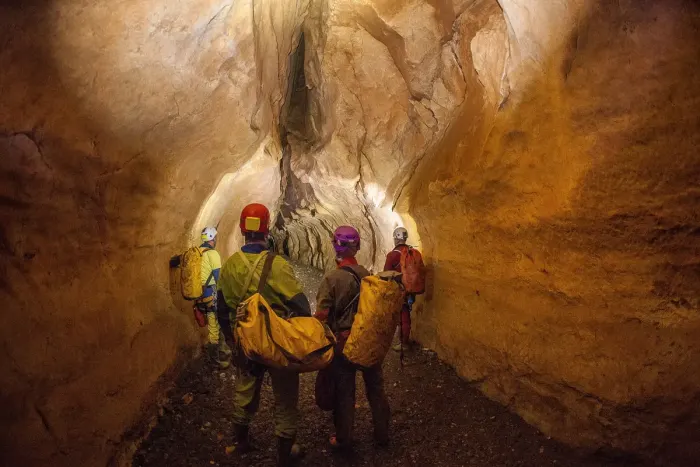
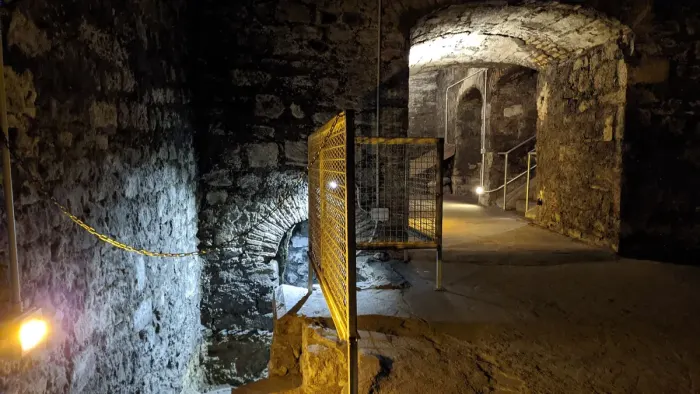
Orvieto Underground: the caves under the town

A guided walk through part of the man-made caves dug into the tufa rock under Orvieto, with cisterns, quarries and dovecotes cut into the cliff.

See the day
Castiglione In Teverina With your hands
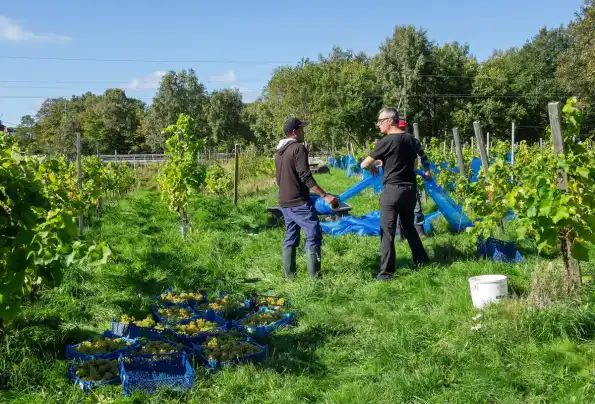
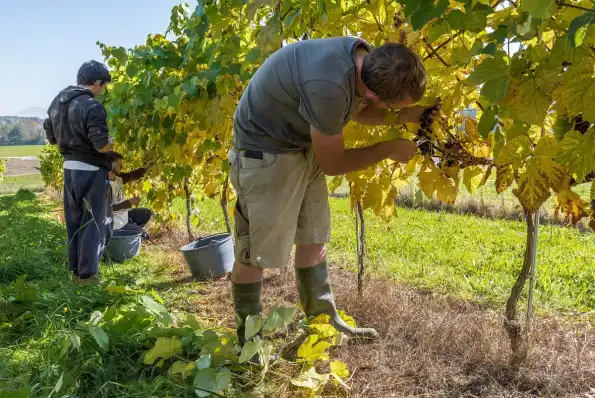
Weekday organic wine tour and tasting at Trebotti

A family organic winery in the Teverina hills walks visitors through the vineyards, the olive grove, an Etruscan tomb and the cellar, then pours seven organic wines.

See the day

36 more like this

The Marmore falls and the Nera valley

Water, and everything you can do in it: rafting, canyoning, climbing the crags at Papigno, and the falls themselves, which run to a schedule set by the power station. Narni is on the way and has the underground complex; Piediluco is the lake above the falls.

Closest to Rome first. Never by who pays us.

Narni In the old stones

Acquedotto romano della Formina

An archaeological site at Narni.

Free — nothing to pay

Just turn up — open air, any hour

See the day
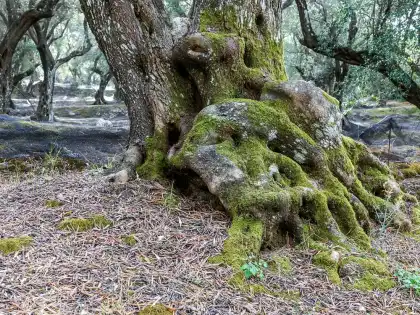
Ancient olive trees on terraced ground In the old stones

The cathedral of San Giovenale

A Romanesque church at Narni, from the eleventh century.

Free — nothing to pay

Just turn up

See the day
Narni In the old stones

Fonte Feronia

A fountain at Narni.

Free — nothing to pay

Just turn up — open air, any hour

See the day
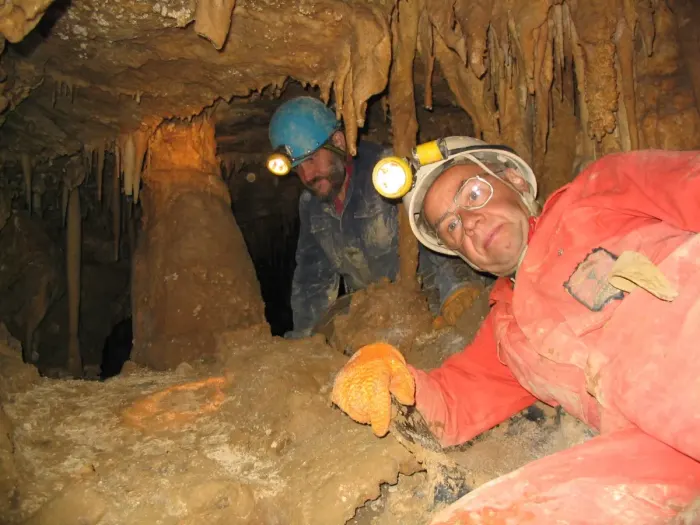
A caver with a headlamp inside a cave passage Under the ground

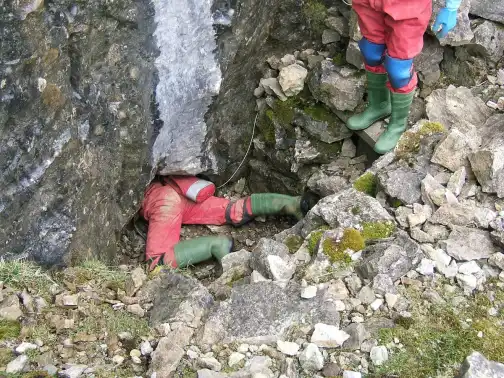
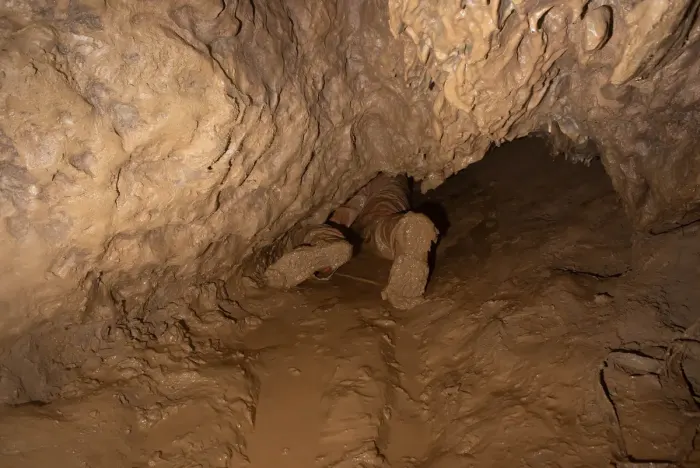
Narni Underground: the Inquisition cell found in 1979

A guided visit to the rooms under the former convent of San Domenico: a frescoed church, a Roman cistern and the cell used by the Holy Office, whose graffiti are still being res…

A sports club — you join them for the day

See the day
Narni In the old stones

Ponte Cardona

A Roman bridge in the woods above Narni, part of the Formina aqueduct that still feeds the town.

Free — nothing to pay

Just turn up — open air, any hour

See the day
Narni In the old stones

The bridge of Augusto

One arch of the Roman bridge that carried the Via Flaminia over the Nera, still standing in the river.

Free — nothing to pay

Just turn up — open air, any hour

See the day
A waterfall dropping into a pool Down the river

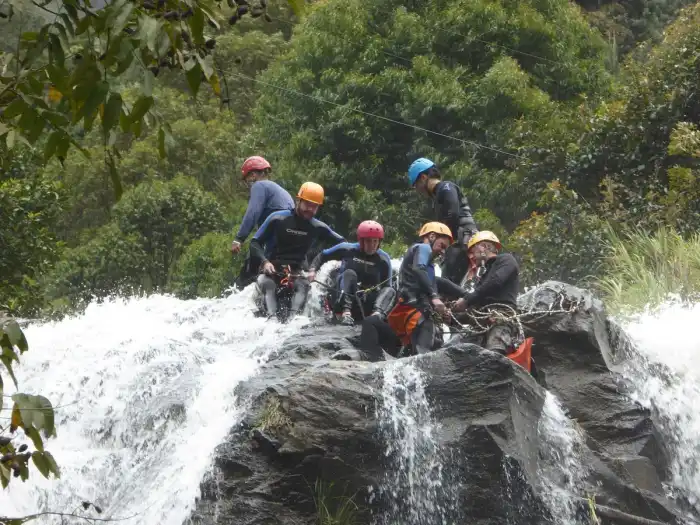
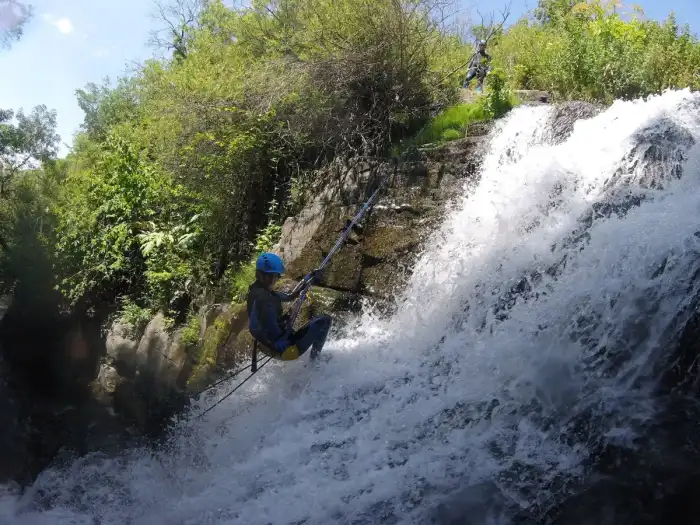
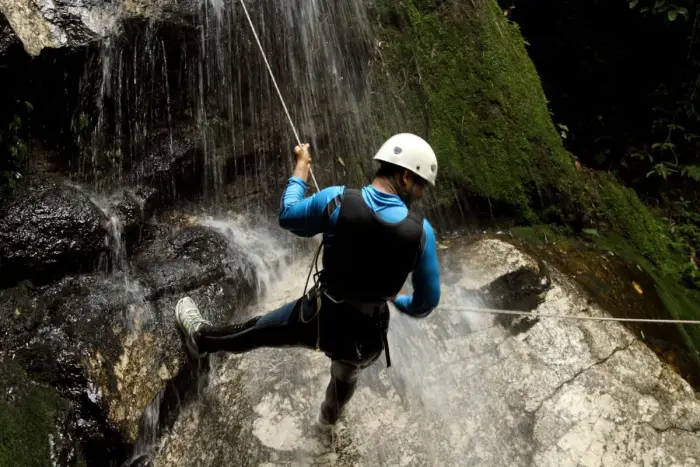
Canyoning in the Mola and Casco canyons

Two routes: a base descent in the Mola canyon in the Valle del Salto, reached with ten minutes of walking, where the descent can be stopped at any point; and an advanced one in …

See the day
Marmore On the trail

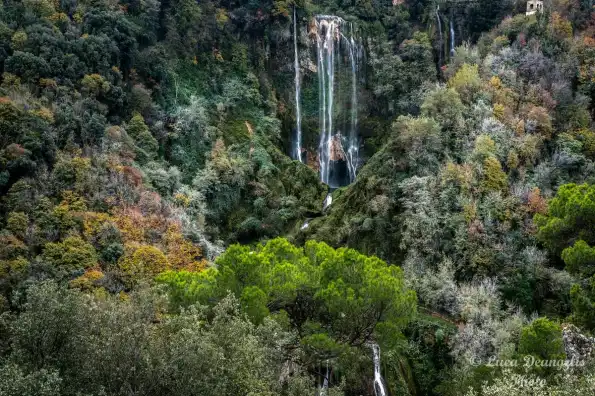
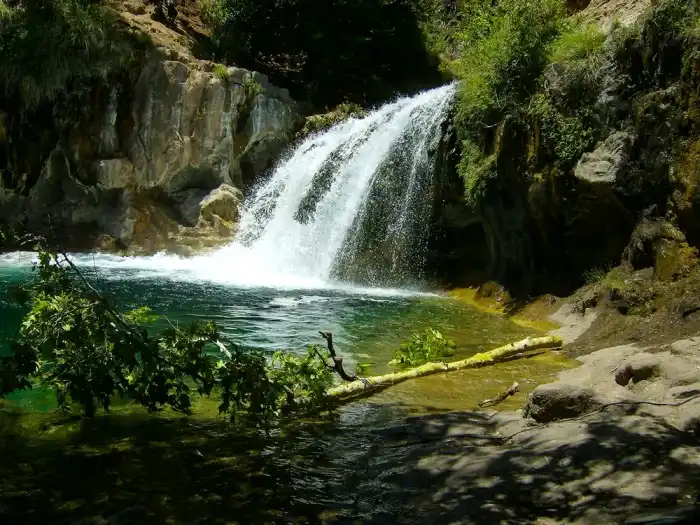
Marmore Falls: the Roman-made waterfall

A waterfall cut by Roman engineers in the third century BC, now on a controlled flow because the water drives a hydroelectric plant.

See the day
Cascata Delle Marmore On the trail

Themed guided walks at the Marmore Falls

The park sells four themed guided visits: the Balcone degli Innamorati under the falling water, a walk on the park trails covering history, flora and fauna, an animated visit fo…

See the day
A waterfall dropping into a pool Down the river

Rafting under the Marmore Falls

The rafting centre licensed to operate under the Marmore Falls, running class-4 descents from the Papigno base and gentler family descents and children's trips from the Arrone b…

See the day

26 more like this

Underground

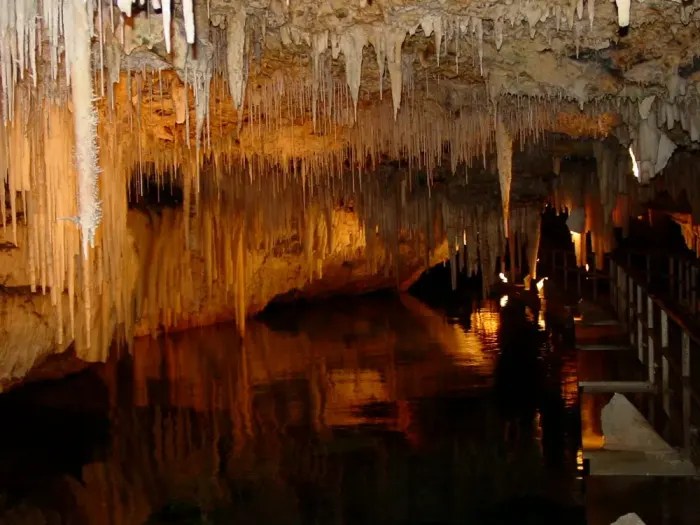
Orvieto's wells and caves, Narni's cistern and cell, the show caves at Pastena and Falvaterra, and the tunnels under the tufo towns on both sides of the border. The Umbrian side is as hollow as the Lazio one, and all of it is at the same temperature in August as in February.

Closest to Rome first. Never by who pays us.

Viterbo Under the ground

Underground Viterbo plus the Templar Museum

A one-hour guided route covering about a kilometre of tunnels under Viterbo plus entry to the Templar Museum, with a tasting of local products.

See the day
Viterbo Under the ground

Underground Viterbo: the short tunnel route

A 25-minute walk through about 250 metres of tunnels cut into the tufa under Piazza della Morte, on two levels at three and eight metres below the square, lit by LEDs.

See the day
Stalactites lit inside a show cave Under the ground

Pastena caves

Walk into the hill on wet steps, in a guided group of no more than twelve.

€10 per person

Books on grottepastenacollepardo.it

See the day
Stalactites lit inside a show cave Under the ground

The mummies in the crypt of Santo Stefano

The crypt under the church of Santo Stefano holds bodies that dried out naturally instead of decaying, found during nineteenth-century exhumations, together with skulls and bones.

See the day
A caver with a headlamp inside a cave passage Under the ground

Catacomb of Santa Cristina, Bolsena

An underground early-Christian cemetery cut into the tuff beneath the basilica, with roughly 1,600 burials used between the third and fifth centuries.

See the day
A caver with a headlamp inside a cave passage Under the ground

Climb down the steps inside the Turk's Cave

To the left of the sanctuary church a stairway drops into the Grotta del Turco, the third and largest fissure of the split mountain: a pointed arch of rock open to the sea, wher…

See the day

Where this takes you

Driving time from the middle of Rome, on the road network and without traffic. It tells you whether the day stands up; it is not a timetable.
Getting there

Getting there, the comfortable way

Questions people actually ask

Is Orvieto a good day trip from Rome?

One of the best. The cathedral, the Signorelli frescoes, the underground and the well of San Patrizio make a full day, and the town is compact enough to do on foot once you are up there.

Can I combine Orvieto and Civita di Bagnoregio?

Yes, and many people do — they are about half an hour apart. Civita is small, so an hour or two there and the rest of the day in Orvieto is the usual shape.

Do the Marmore falls always run?

No. The water is diverted for hydroelectricity and released at set times, which are published by the park that runs it — the cards link there. Arriving between releases is the classic mistake.

How far is it?

Orvieto is about an hour and a half from the middle of Rome, the Nera valley nearer two. Times on the cards are calculated on the road network without traffic.

How far is Orvieto from Rome?

About an hour and a half by road from the middle of the city, and the drive times on each card are calculated on the road network without traffic. The Nera valley and the Marmore falls are nearer two hours.

What is there to do in Orvieto?

The cathedral and the Signorelli chapel, the underground caves and Etruscan wells, the well of San Patrizio, and the town itself, which is compact and entirely walkable. Outside it there is wine: the country north and west is full of small estates running tastings.

Is Civita di Bagnoregio worth the trip?

It is a village on an eroding pinnacle of clay reached by a footbridge, and there is nothing else quite like it within reach of Rome. It is also small: an hour or two rather than a day, which is why most people pair it with Orvieto half an hour away.

Can you go rafting at the Marmore falls?

Yes — the Nera below the falls carries rafting and canyoning through the season, and the operators are in the second grid above. It runs on the same water releases as the falls, so the schedule matters here as well.

Is Umbria a better day trip from Rome than Tuscany?

It is closer, which is most of the argument: the first of Umbria is nearer to Rome than half of Lazio. Tuscany from Rome means the Maremma rather than the postcard Tuscany, and both are good days — Umbria is the one with the cathedral, the waterfall and the underground.

Keep looking

All 73 guides, sorted by distance, desire, season and place

How to get there

Links marked affiliate pay us a commission — you pay the operator's own price and we never take your money. How we rank