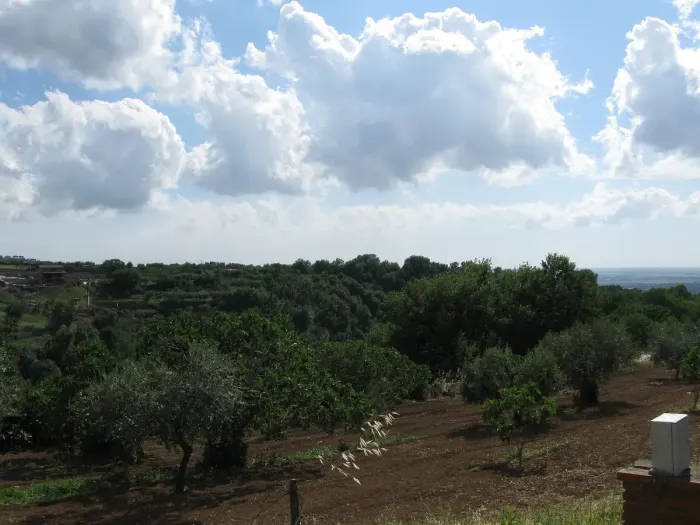
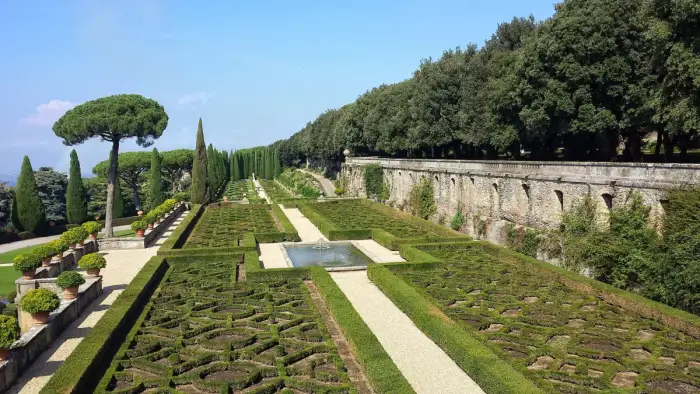
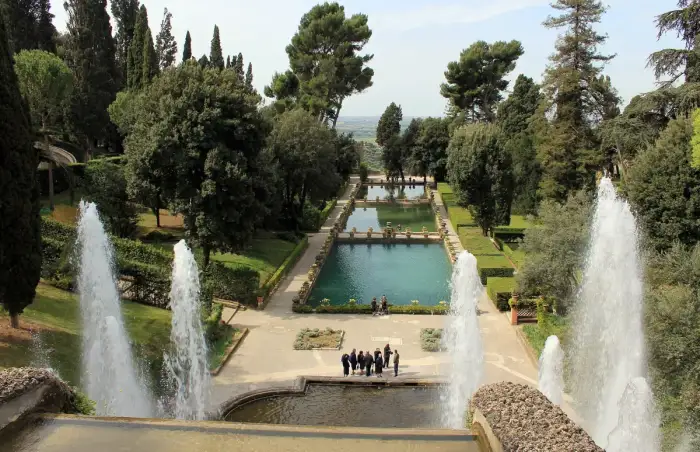
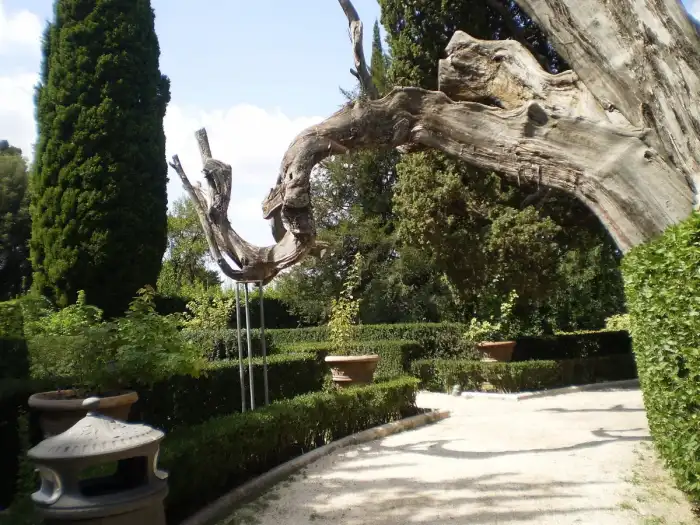
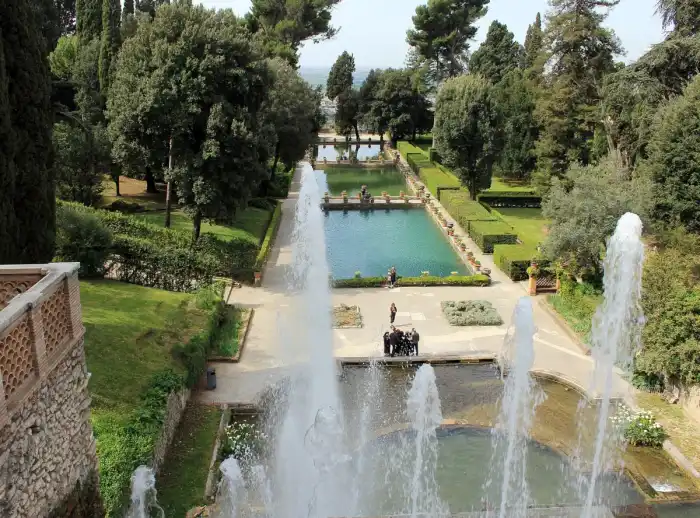
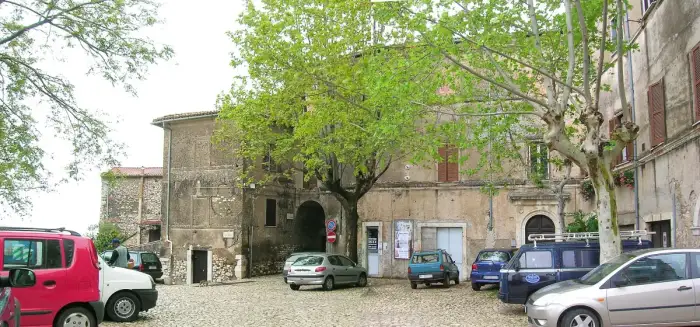
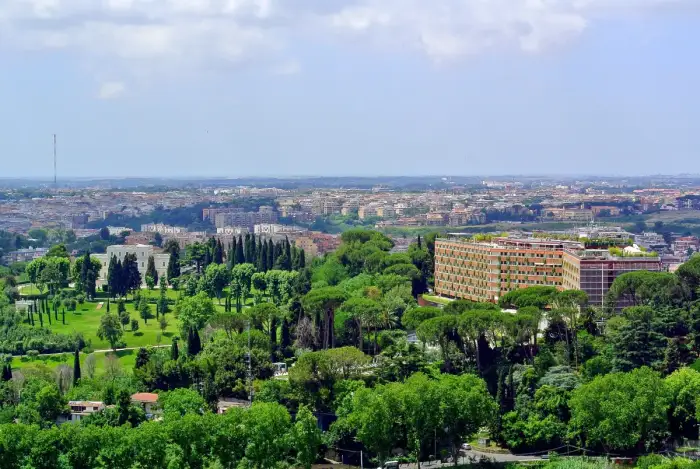
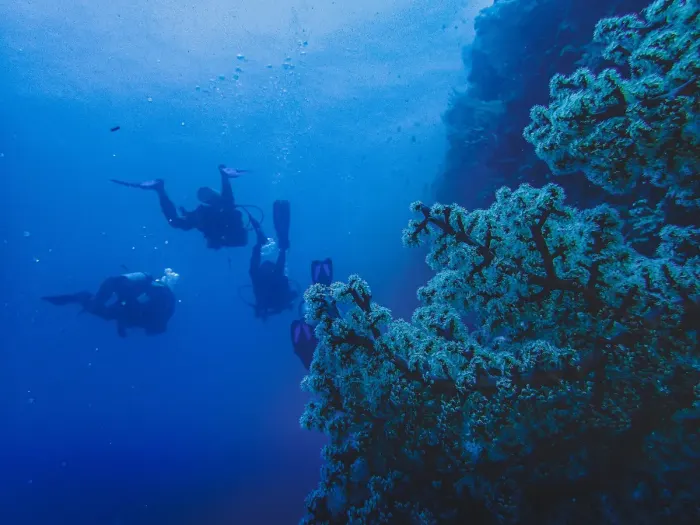
Spring is when everything here works at once. The mountains are still holding water, so the rivers are full and the gorges are running. The high pastures come into flower. The gardens — which are the whole point of several towns near Rome — are at their peak. And the temperature is exactly right for walking around a hill town at two in the afternoon, which it will not be again until October.
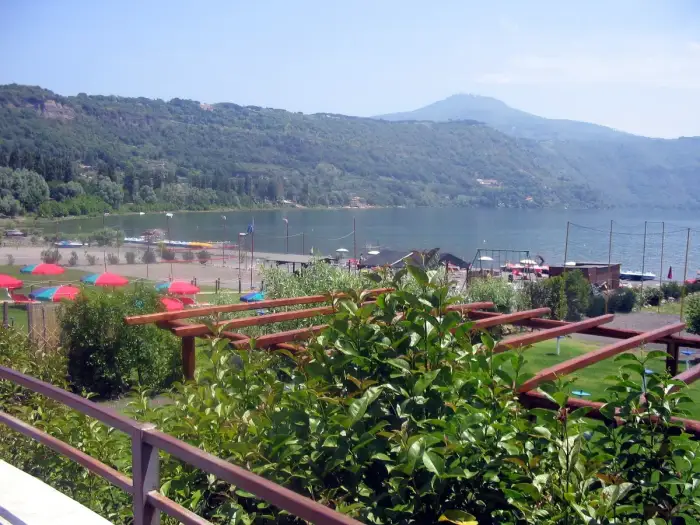
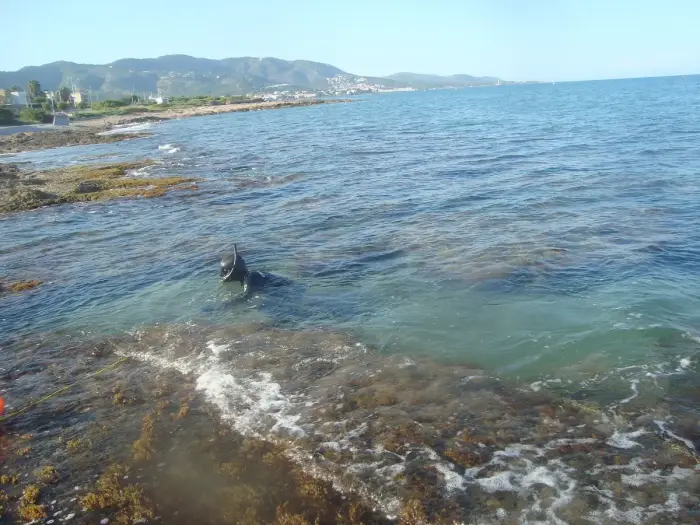
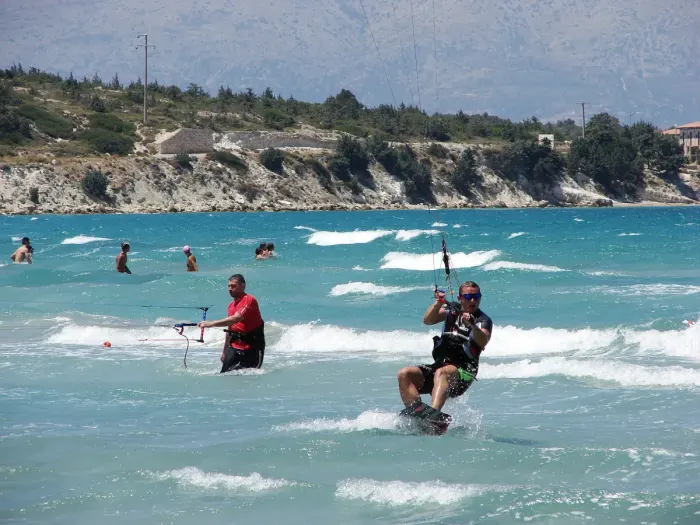
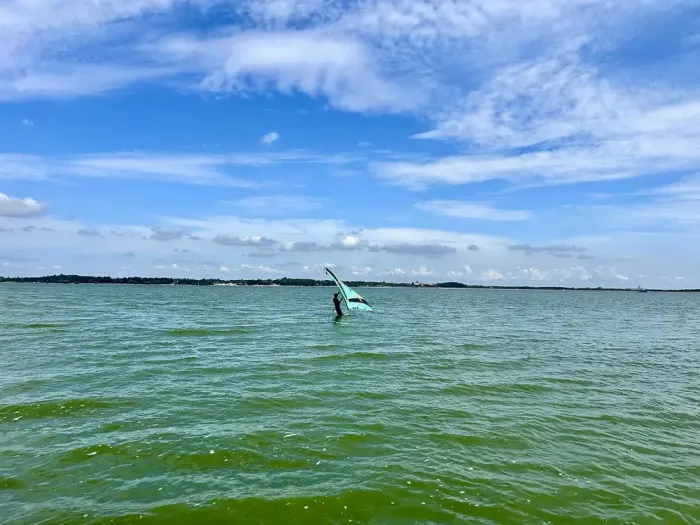
It is also the season when the lakes get going without being crowded. The water is cold in April and swimmable by June, and the shores belong to whoever turns up.
The one thing spring brings that summer does not is rain: it comes in bursts, it passes, and the caves and cellars do not care. Take a jacket and plan loosely.
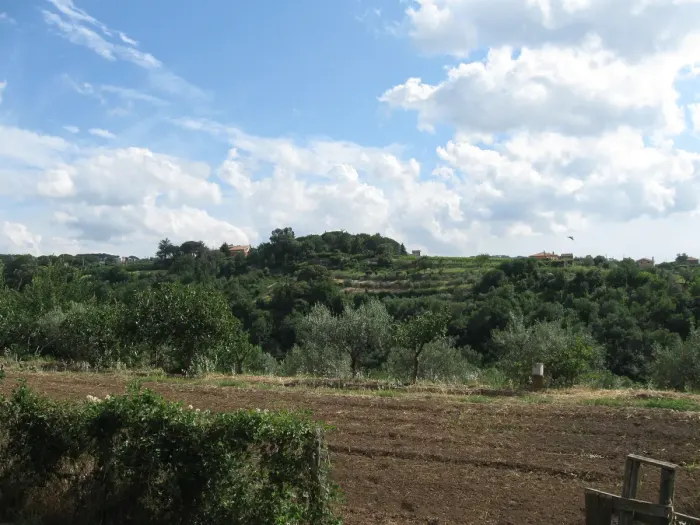
Spring around Rome is not one season but three arriving at different altitudes. March and early April belong to the coast and the Tuscia, where the almond and the broom are out and the ground has dried. Late April and May belong to the hill towns and the gardens. June belongs to the mountains, which are only just clear of snow, and to the lakes, which have finally warmed up. Booking the right one for the week you are here is most of the skill.
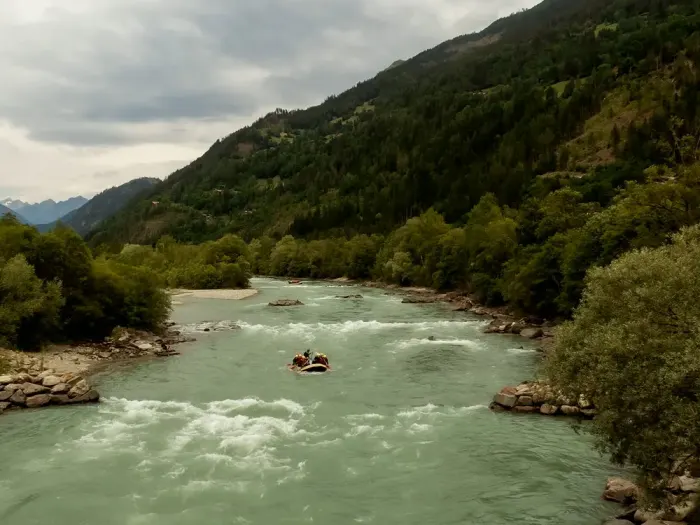
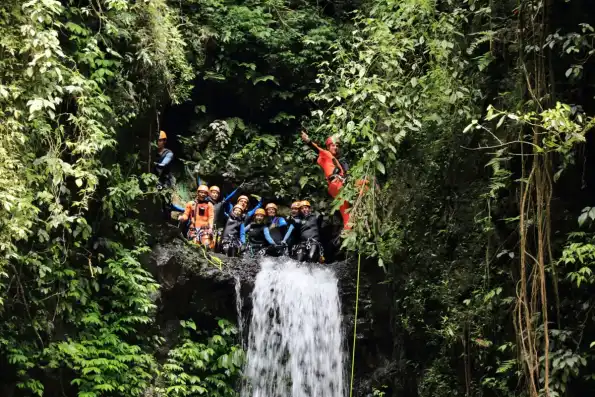
Two things are at their best now and at no other time. The rivers, which are running full on snowmelt out of the Simbruini — this is when the rafting and canyoning season opens and when the gorges are worth the drive. And the wild flowers on the high pastures east of Rome, which are a fortnight-long event that almost nobody plans for and everybody who sees remembers.
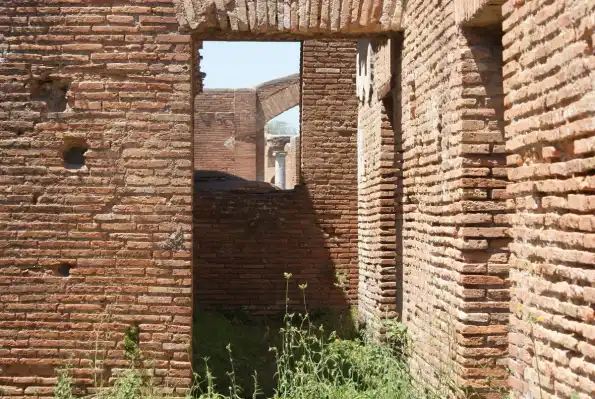
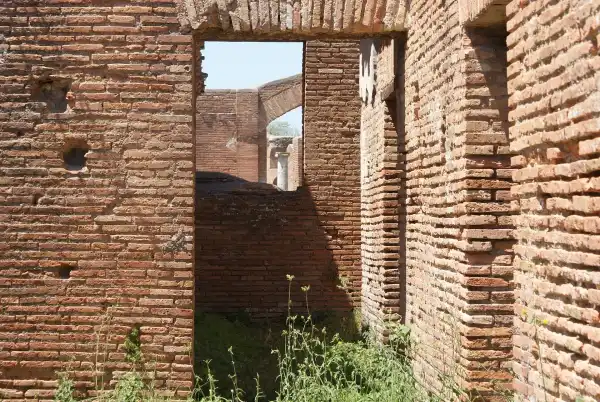
It is also the last season before the archaeological sites become unbearable. Walking round Ostia Antica, Hadrian's Villa or a necropolis in May is a pleasure; in August it is an endurance test with no shade. If ruins are on your list, this is the window.
 On the trail