 On the trail
The Pope's summer palace and its Secret Garden
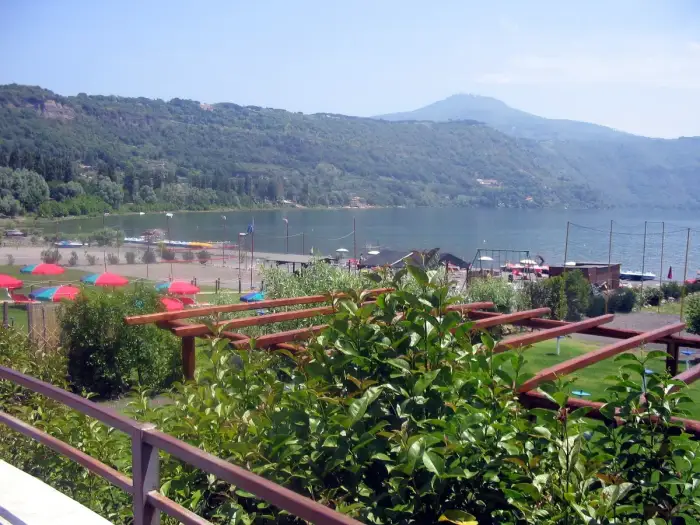
The Apostolic Palace at Castel Gandolfo was opened to the public in 2014.
See the day
Gardens
The country outside Rome is where the popes and the cardinals built their gardens, and the water they diverted to run them is still running.
39 days out20 placesthe nearest is a 33 min drive from Rome
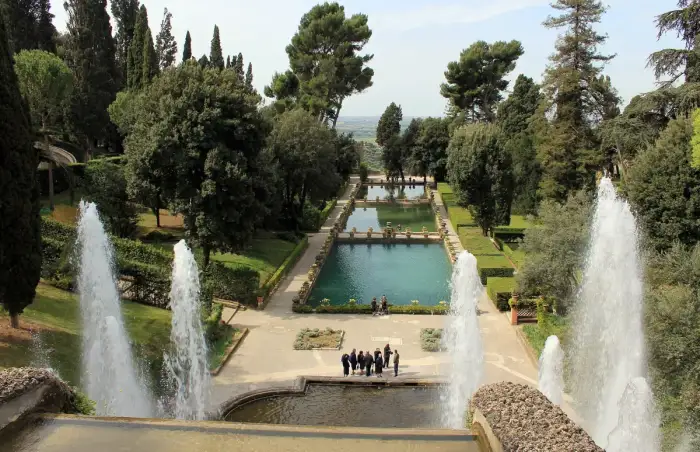
Renaissance Italy invented the garden as a machine. Villa d'Este at Tivoli has hundreds of jets and not a single pump — every jet is powered by the fall of a river that was rerouted through a hill to feed it. Villa Lante at Bagnaia does the same thing in miniature and, many people think, better.
Then there is the strange end of the tradition. Bomarzo's park is full of enormous carved monsters, made in the same decades for reasons nobody has ever satisfactorily explained. It has been unsettling visitors ever since, and it is a short drive past Viterbo.
And the romantic version: Ninfa, a medieval town abandoned to malaria and later planted through its own ruins, roses growing out of the church walls and a river running clear through the middle.
These are gentle days — walking on paths, mostly flat, plenty of shade — which makes them the right choice with grandparents or on a hot afternoon.
Three things are worth knowing before you pick one. The Renaissance water gardens are built down a hillside, which means steps — spectacular, and not flat. The archaeological villas like Hadrian's are large and level but have no shade. And the romantic ones, Ninfa above all, open on set days only, which makes them the ones to plan a whole trip around rather than to drop in on.
The Tuscia is the concentration nobody knows about. Within twenty minutes of each other there is Villa Lante's water garden at Bagnaia, the pentagonal Farnese palace at Caprarola, the monsters at Bomarzo and the peony collection at Vitorchiano. Any one of them would be the main attraction of a region elsewhere; here they are an hour and a half from Rome with nobody queuing.
On season: April to June and September to October are when the planting is doing something and the walking is comfortable. The exception is a water garden in August, which is the one time of year that hundreds of jets of falling water are exactly what you want. Winter is for the architecture rather than the flowers, and several of these close or shorten their hours.
Formal gardens, water gardens and the estates around them. Several are guided-visit-only, and several close on a fixed day of the week: the card links to whoever knows.
Best fit for this section first, then whatever you can book today. Closest to Rome breaks a tie. Never by who pays us.
On the trailThe Apostolic Palace at Castel Gandolfo was opened to the public in 2014.
See the day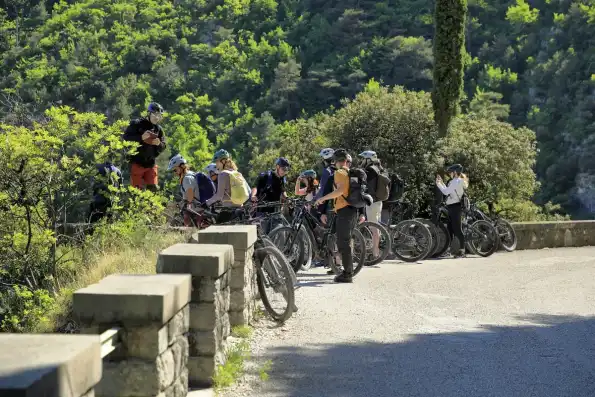 On two wheels
A 25 km e-bike route from Frascati climbing to the archaeological park of Tusculum through woods, ridges and hairpins, with views over Rome and the hill towns, and returning to …
See the day With your hands
A walk through themed gardens and organic olive groves at Collevecchio, ending with a tasting of the farm's oil and local products under a large olive tree.
See the day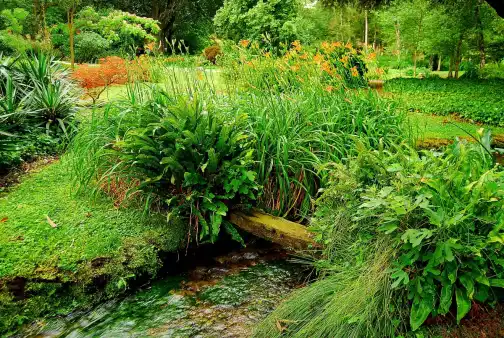 On the trail
A guided walk through the garden built inside the ruins of the medieval town of Ninfa, among watercourses, bridges and plants from several continents.
See the day On the trail
A botanical garden at Collepardo that gathers the wild plants of the Ernici mountains, including rare species kept from extinction.
See the day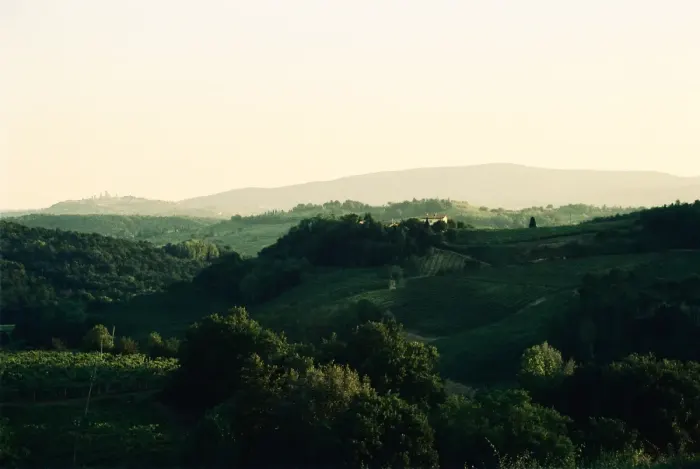 On the trail
A certified tourist and environmental guide who runs a public calendar of walks and treks in the Tuscia: Tarquinia and its necropolis, Tuscania by night, the Sacro Bosco of Boma…
See the day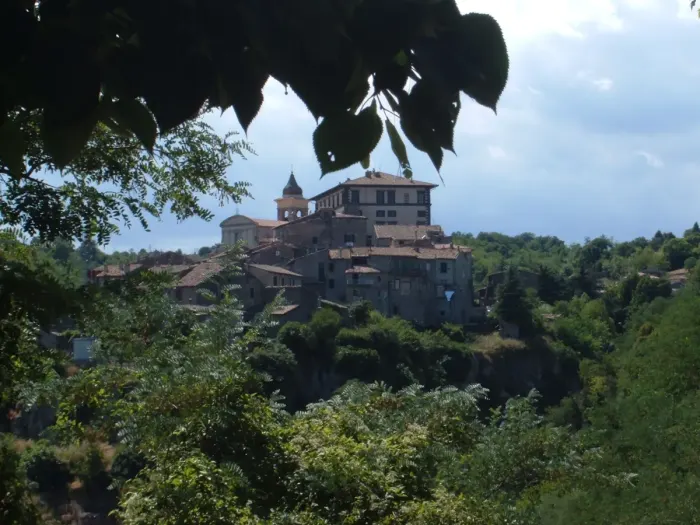 With your hands
An organic estate on the Gradoli side of Lake Bolsena opens its cellar for guided visits with tasting, by appointment.
See the day On the trail
One ticket for the royal apartments, the royal park and the English Garden.
See the day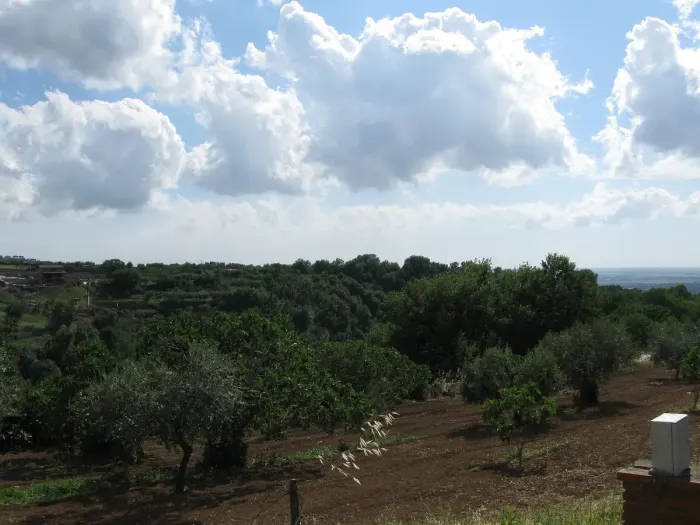 On the trail
Visitors wear headsets for a mixed-reality tour through the piano nobile and the Pannini Gallery of Villa Grazioli, one of the Tuscolan villas.
See the day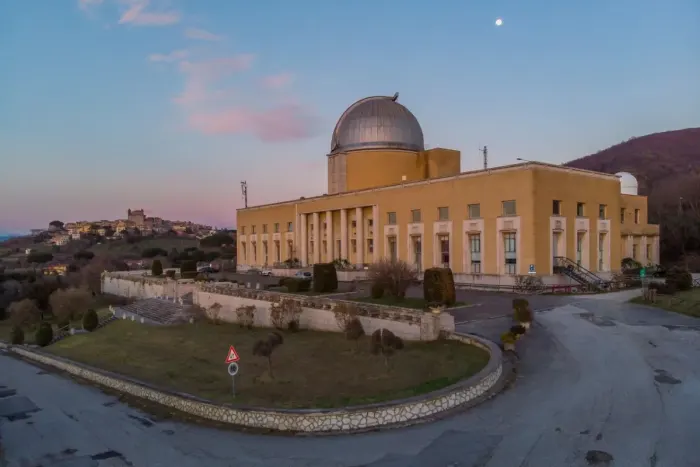 On the trail
Villa Mondragone sits on the Tuscolan hills between Frascati and Monte Porzio Catone.
See the day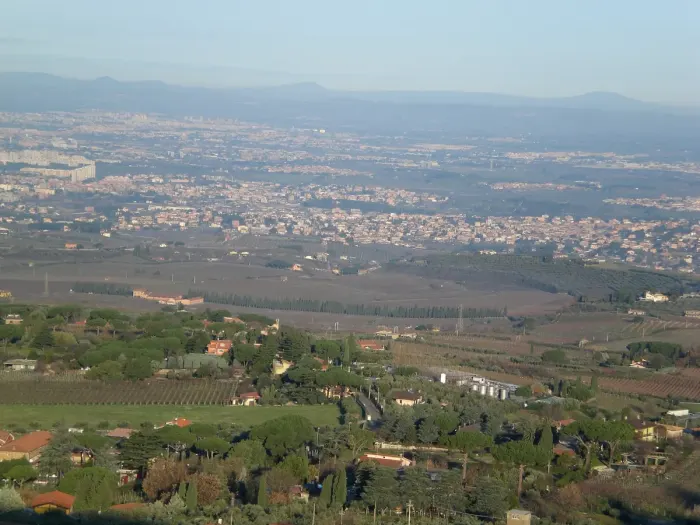 With your hands
Villa Simone at Monte Porzio Catone sells six tastings that can be booked and paid on its own site, from a wine-only flight to wine with food.
See the day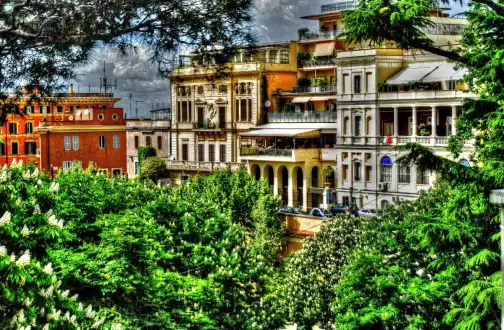 On the trail
A guided walk through Frascati that begins in the Scuderie Aldobrandini — the Aldobrandini stables converted by the architect Massimiliano Fuksas into the Museo Tuscolano — then…
See the day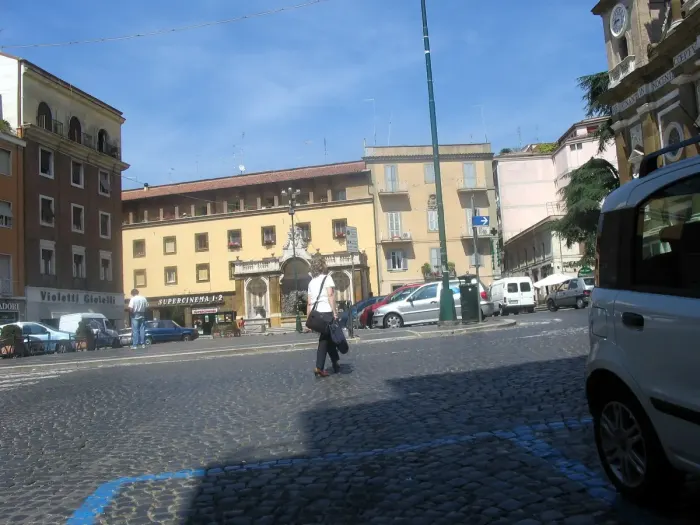 On the trail
A single combined ticket covering the Museo Tuscolano in the Scuderie Aldobrandini at Frascati, Villa Mondragone — the largest of the Tuscolan villas — the archaeological park o…
See the day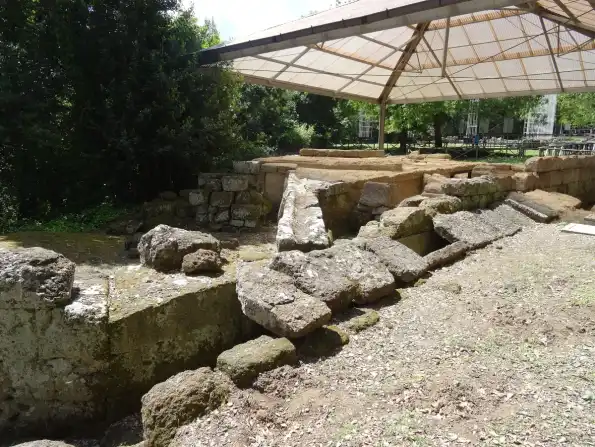 On horseback
A western-riding centre inside the 15,000-hectare park of Veio, on the Cassia just north of Rome at Isola Farnese, that makes trail riding its main business rather than a sideline.
A sports club — you join them for the day
See the day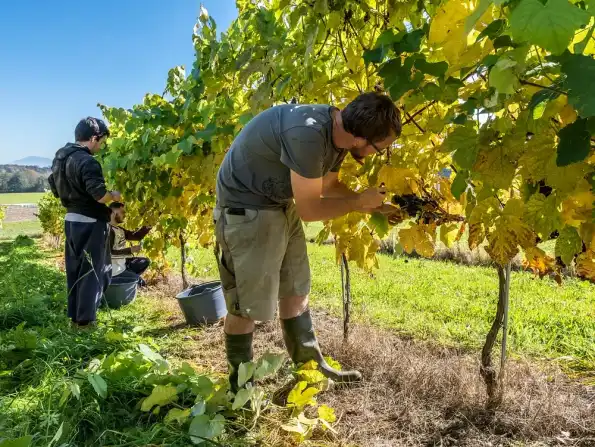 With your hands
Guided visit and narrated route through a reconstructed Etruscan village, followed by workshops: a simulated dig, clay working, fresco painting and grain grinding, and a tasting…
See the day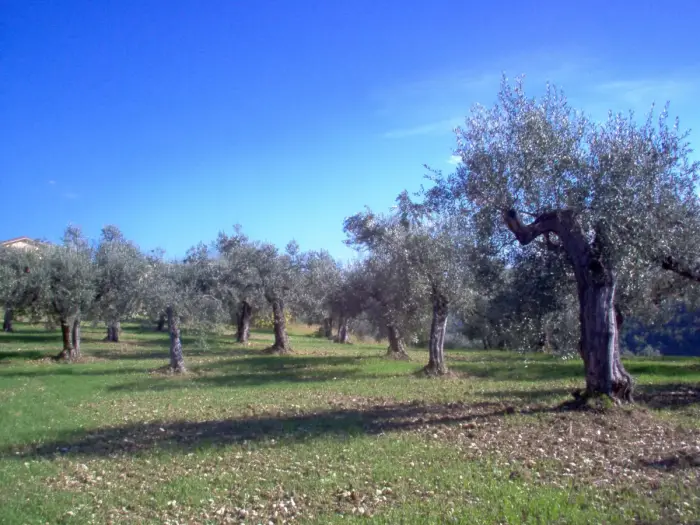 With your hands
An organic farm and farm-stay on the hills of Mompeo, in the heart of the Sabina about 50 km from Rome and a few kilometres from Farfa abbey and the Gole del Farfa nature monument.
See the dayHadrian's estate, the cardinal's water garden and the gorge park below the town — all within a few kilometres, and a long but very good day.
Best fit for this section first, then whatever you can book today. Closest to Rome breaks a tie. Never by who pays us.
 On the trail
Entry to the archaeological area of Hadrian's Villa at Tivoli, part of the VILLÆ state institute along with Villa d'Este and the Sanctuary of Hercules Victor.
See the day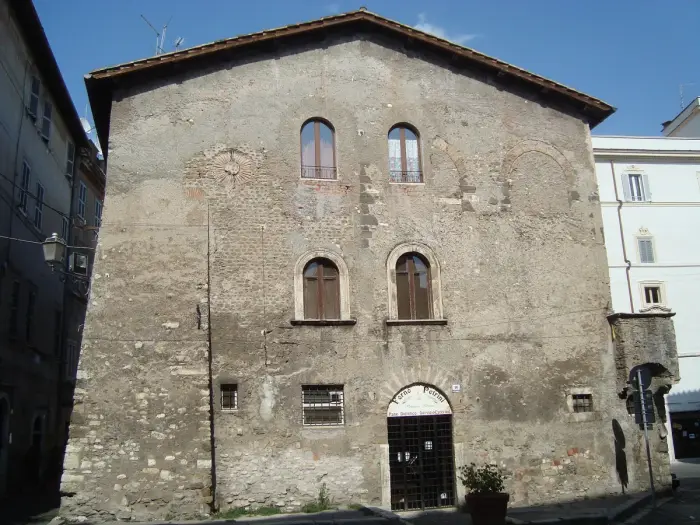 On the trail
A private guided tour of Hadrian's Villa covering the emperor's private quarters, the Canopus and Serapeum, the Pecile portico and the Large and Small Baths, including the under…
See the day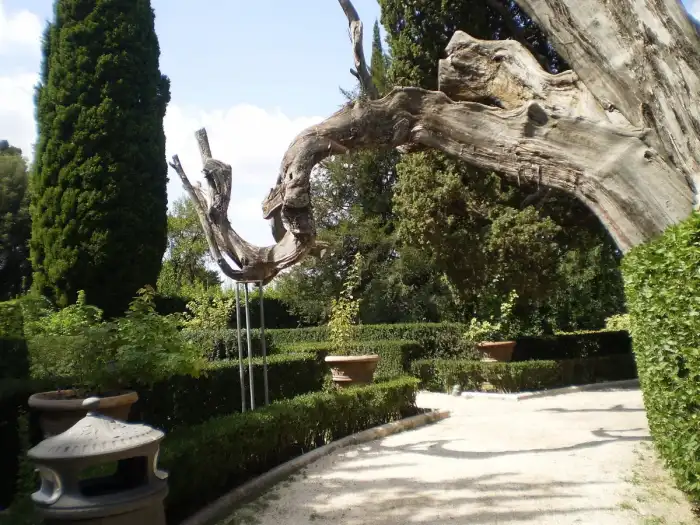 On the trail
Entry to the Renaissance villa and terraced garden of fountains at Tivoli.
See the day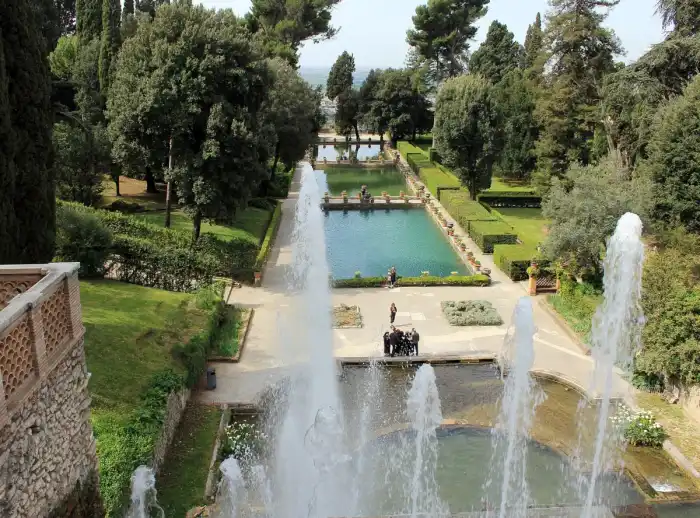 On the trail
The park in the gorge cut by the Aniene at Tivoli, managed by FAI since 2002, with a waterfall of about a hundred and twenty metres and Roman temples above it.
See the day
On the trailEvening openings of the Villa Gregoriana park on Fridays and Saturdays in summer.
See the day
On the trailA guided visit of Hadrian's Villa in a group capped at eight people, leaving in the morning.
See the day On the trail
A guided visit of Villa d'Este in a group capped at eight people, departing in the early afternoon.
See the day In the hot water
Six pools at a steady 23°C, and the station is right behind the park.
€16 per person
Books on termediroma.org
See the day
With your handsThey collect you at your Rome hotel; you come back having made lunch by hand.
€250 per person
Books on Villa Proietti
See the day
On the trailA ring walk in the Monte Catillo nature reserve, the balcony over the Aniene valley, on sunny limestone ridges and shaded oak paths with views over Villa d'Este and the waterfal…
See the day
With your handsA hands-on day with Chef Davide at Tivoli: making fresh pasta, tasting local wine and eating what has been cooked.
See the dayBagnaia, Bomarzo, Caprarola and the country around Viterbo: the densest concentration of Renaissance garden-making anywhere, and the least visited.
Best fit for this section first, then whatever you can book today. Closest to Rome breaks a tie. Never by who pays us.
 On the trail
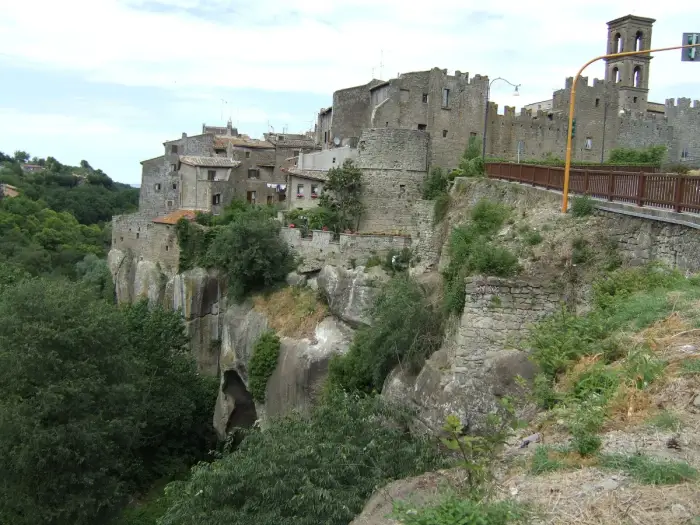
A collection of tree and herbaceous peonies laid out as a garden below Vitorchiano, in flower from the end of March to the end of May: the single-flowered shrubs first, then the…
See the day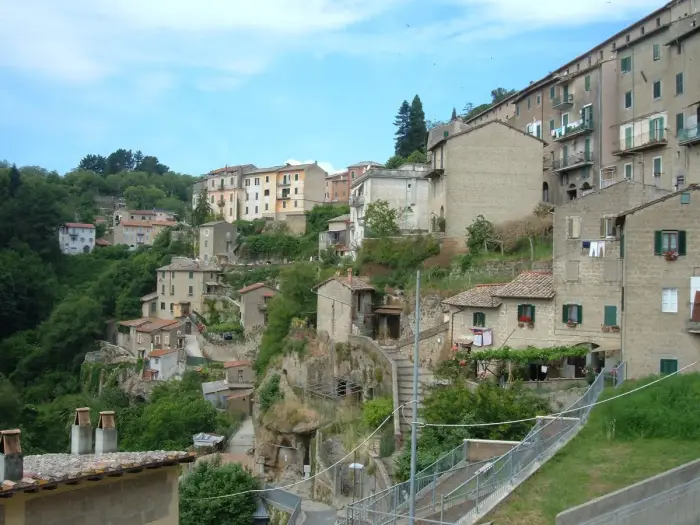 On the trail
Entry to the pentagonal Renaissance palace built for the Farnese family in Caprarola, with the Scala Regia and the frescoed state rooms.
See the day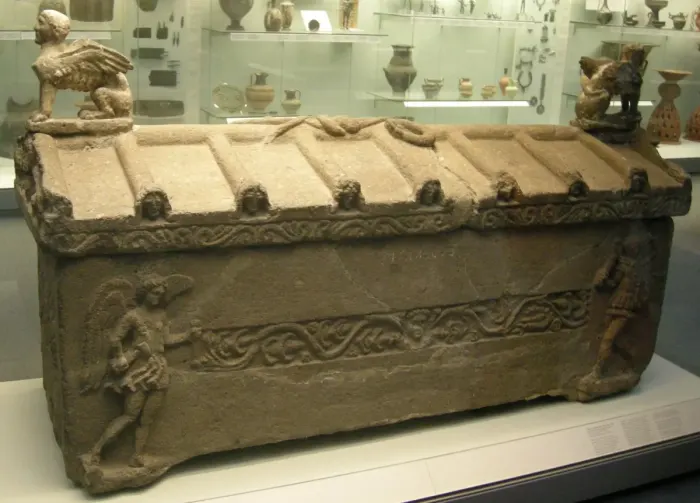 On the trail
Guided visit to the sixteenth-century Sacro Bosco, a wooded park filled with basalt sculptures of mythological animals, gods and monsters.
See the day
On the trailTwo-hour guided reading of the sixteenth-century Sacro Bosco: the sculptures carved out of the living peperino rock are treated as the stages of an initiatory route, from the Th…
See the day
On the trailCamillo Castellani is a certified environmental hiking guide working out of Montefiascone with a catalogue of twenty-five booked walks across the Tuscia, graded from tourist to …
See the day
On the trailThe sixteenth-century Sacro Bosco at Bomarzo, with more than thirty colossal figures carved out of the local peperino stone.
See the day
On the trailGuided walk through one of the best preserved medieval villages of central Italy, built on a spur of peperino stone: the town hall, the sixteen-metre clock tower and the house w…
See the day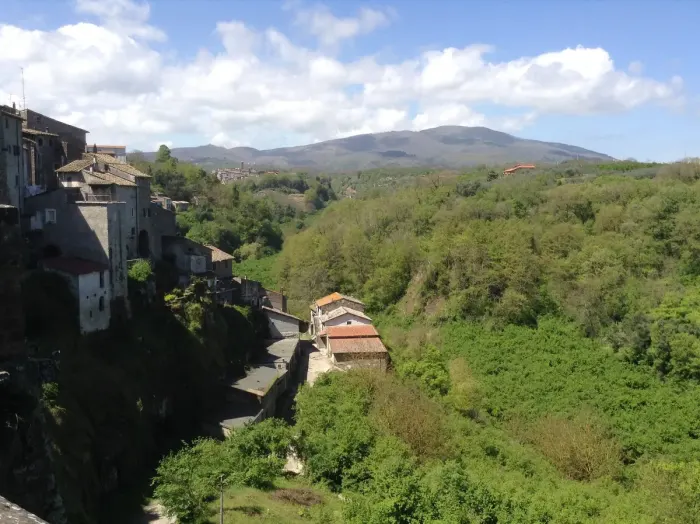 On the trail
A guided visit to the Ruspoli castle in Vignanello and its 1610 Renaissance garden, including the Parco della Marescotta and guarded parking.
See the day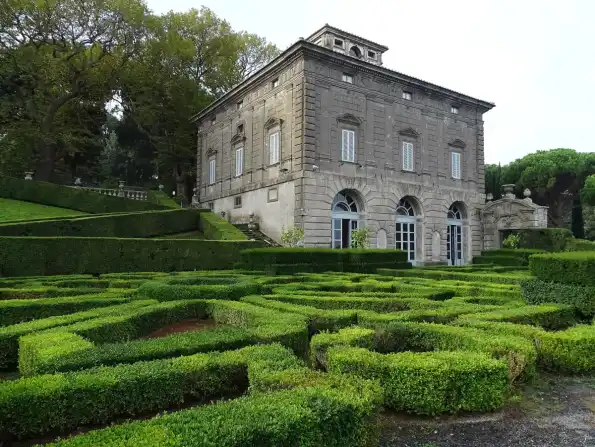 On the trail
A sixteenth-century garden of surprises built for cardinal Gambara: a stream that springs from the rock at the top and is walked down the slope through terraces, cascades, dripp…
See the day
On the trailThe sixteenth-century Mannerist garden at Bagnaia, near Viterbo, built from 1511 and completed around 1566 for Cardinal Gambara, with cascades, fountains and grottoes on terraces.
See the day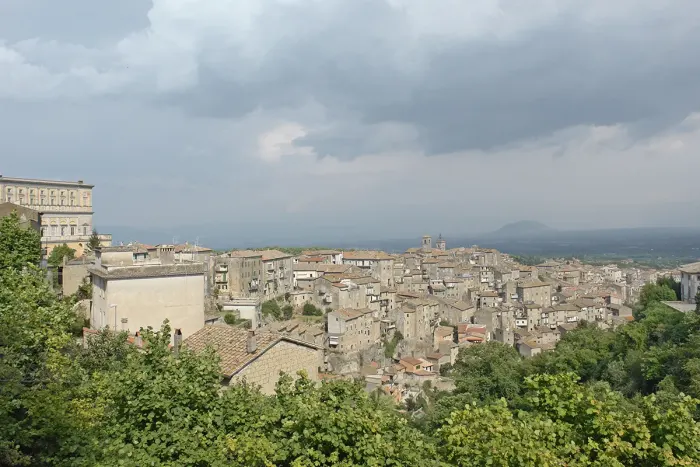 On the trail
A guided tour of Palazzo Farnese in Caprarola sold through the operator's own booking portal, in Italian, English or French.
See the day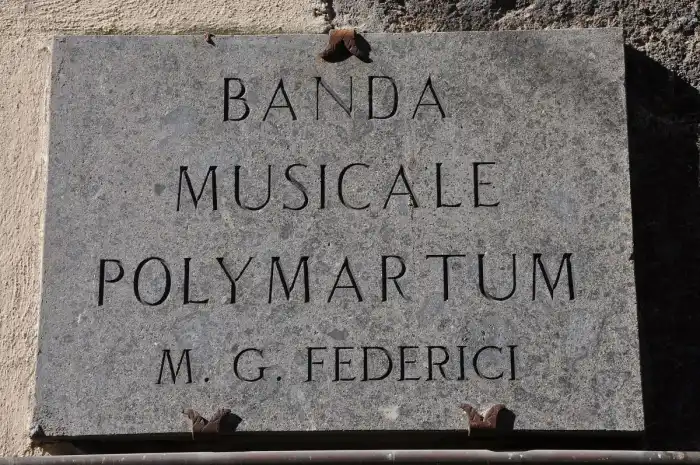 In the old stones
A Renaissance church at Bomarzo.
Free — nothing to pay
Just turn up
See the dayDriving time from the middle of Rome, on the road network and without traffic. It tells you whether the day stands up; it is not a timetable.
Getting there
The day stays yours: you leave when you want, stop where you want, and come back when the light goes.
Affiliate link — you pay their price, never more, and they pay us. You book with Localrent, and anything about that booking goes through them.
See prices on LocalrentNo parking to find, no wrong turns, and you leave when the day is done.
Affiliate link — you pay their price, never more, and they pay us. You book with Welcome Pickups, and anything about that booking goes through them.
See prices on Welcome PickupsVilla d'Este at Tivoli for scale and for the fountains, Villa Lante at Bagnaia for design, Ninfa for atmosphere and Bomarzo for oddity. They are all within an hour and a half, and no two of them are alike.
Spring and early autumn. High summer is hard work in the open ones and the water gardens are the exception — Tivoli in August is a place full of falling water, which is the point.
For the gardens that open only on set days or by guided visit, yes, and Ninfa in particular. The card links to the operator who publishes the current days; we do not republish opening hours we have not checked.
Mostly. The formal gardens are paths and gentle slopes, though the Renaissance ones are built down a hillside and have steps. Hadrian's Villa is large and flat; Villa Gregoriana's gorge is neither.
Villa d'Este at Tivoli, Villa Lante at Bagnaia, the Farnese palace gardens at Caprarola, the Park of the Monsters at Bomarzo, the papal gardens at Castel Gandolfo, and Ninfa at the foot of the Lepini. All are within about an hour and a half of the city.
By gravity, and by a river. There is no pump anywhere in the garden — a watercourse was rerouted through the hill to feed it, and the fall from the top of the terraces to the bottom powers every jet. It has been running that way ever since, without a motor anywhere in it.
Yes. It opens on set days published by the foundation that looks after it, and visits are guided. The card links there rather than to an opening calendar of ours, because that is exactly the sort of thing that changes between seasons.
A sixteenth-century park full of enormous figures carved out of the rock where they stand — an ogre's mouth you can walk into, a leaning house, a giant tearing a man in half. Nobody has satisfactorily explained why it was made, which is part of the appeal. It is about an hour and a half north and children like it enormously.
The archaeological parks are flat and long; the Renaissance gardens are terraced and have steps by design. Ninfa is level but unpaved. We will not claim access we have not verified — the operator's number is on the card and that call is the reliable way to ask about steps, gravel and parking.
Links marked affiliate pay us a commission — you pay the operator's own price and we never take your money. How we rank