The rule behind the word is worth knowing, because it explains why these days are good. An agriturismo has to be a real agricultural business first; hospitality is allowed only alongside the farming. So the vegetables on the table came from outside the window, and the person cooking them probably grew them.
For visitors, that produces a day that no restaurant and no attraction can copy. There are animals, there is something happening — a harvest, a milking, a pressing, depending on the month — and there is a table for as long as you want it.
It is also, quietly, the cheapest good lunch in Italy, and the best day out of Rome for a family with young children who have had enough of being told not to touch things.
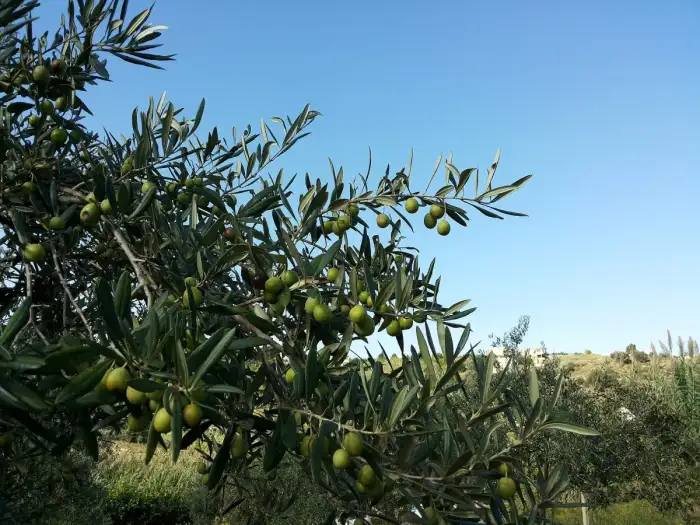
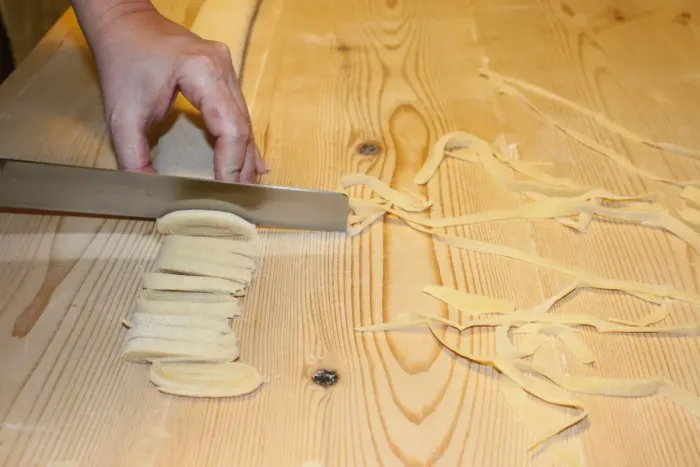
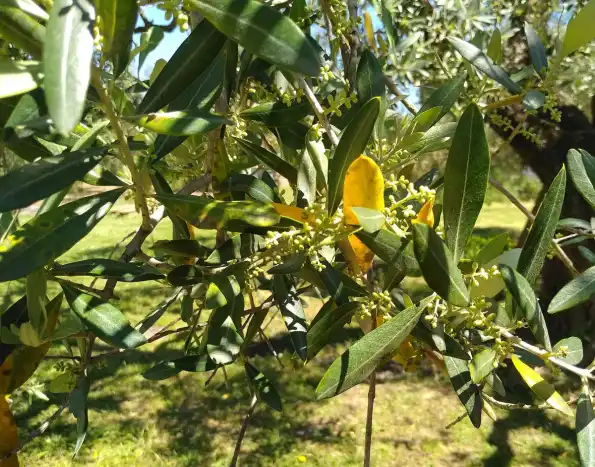
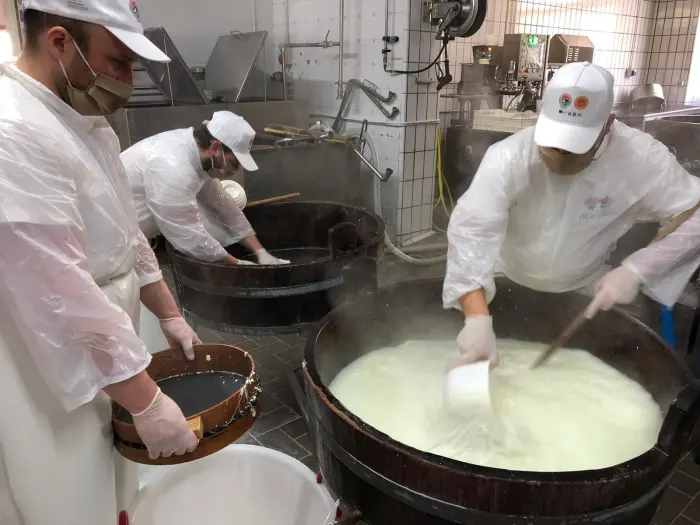
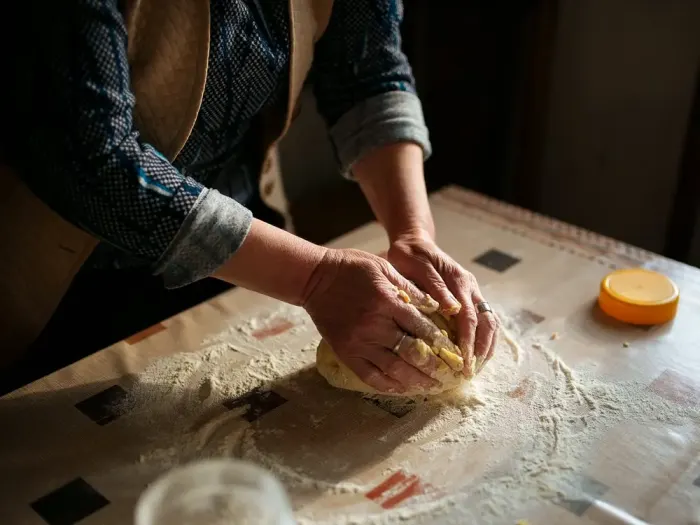
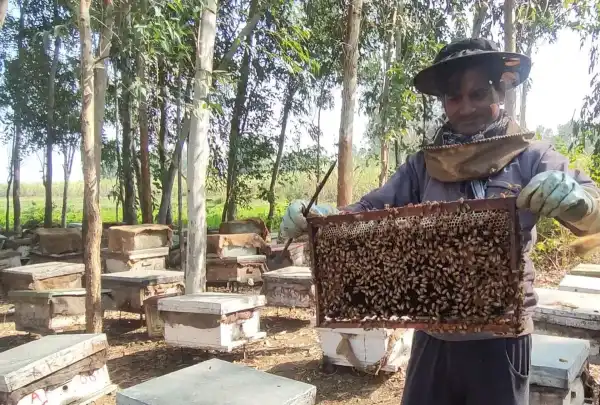
What actually happens on one of these days depends on the month, and that is a feature rather than a nuisance. Spring is lambs, herbs and the first cheese. Summer is early mornings, honey and the vegetable garden. September and October are the grape harvest. November is olives and new oil. Winter is the kitchen — pasta, bread, pizza, and a long lunch that goes into the afternoon because there is nothing else to do.
Booking one is not like booking a restaurant. Many of these farms cook only what has been reserved, several do not take online bookings at all, and the person who answers is usually the person who will be cooking. Ring a day or two ahead, say how many and say if anybody does not eat something. It will be dealt with in about fifteen seconds.
One thing worth setting expectations on: a farm lunch in Lazio is not a light meal. The usual shape is antipasti that would be a meal anywhere else, then pasta, then meat, then whatever is in the orchard. Do not plan anything strenuous for the afternoon, and do not have breakfast.
 With your hands