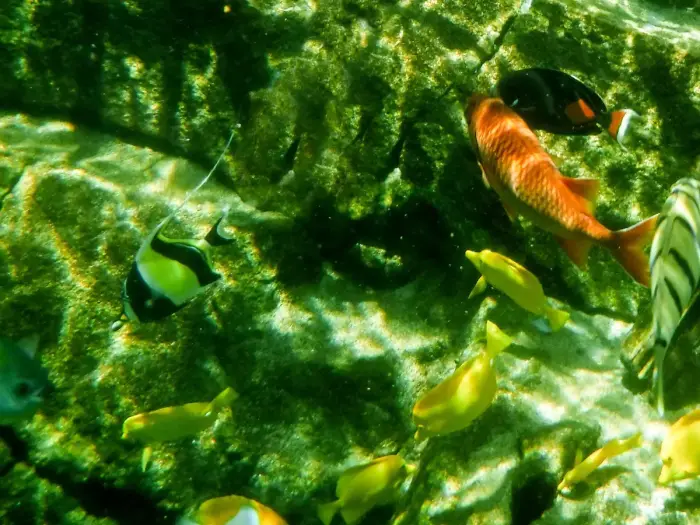
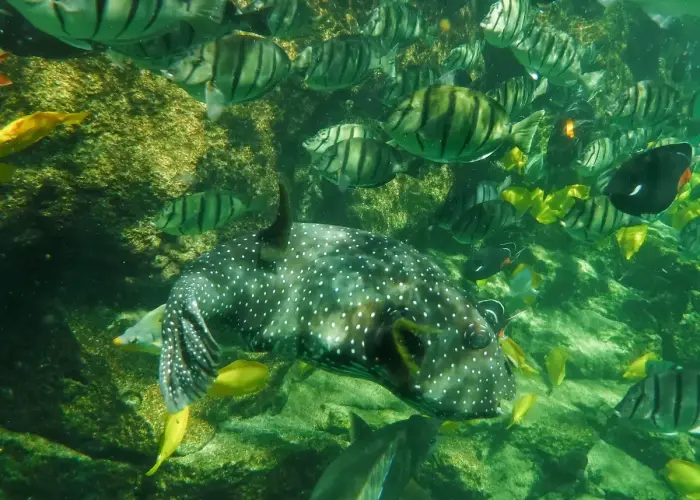
Diving near Rome has one great advantage over diving elsewhere: the things on the bottom are often Roman. This coast was a resort for the empire, and what fell in the sea, sank in the sea, and much of it is at snorkelling depth.
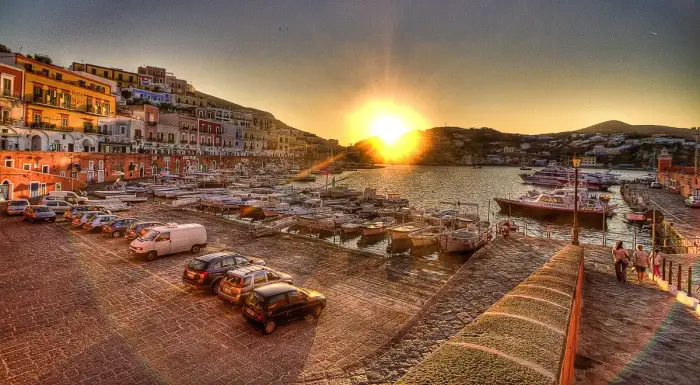
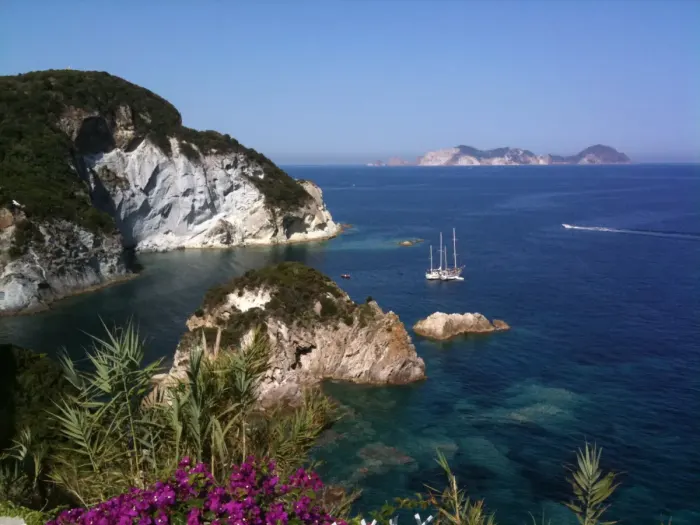
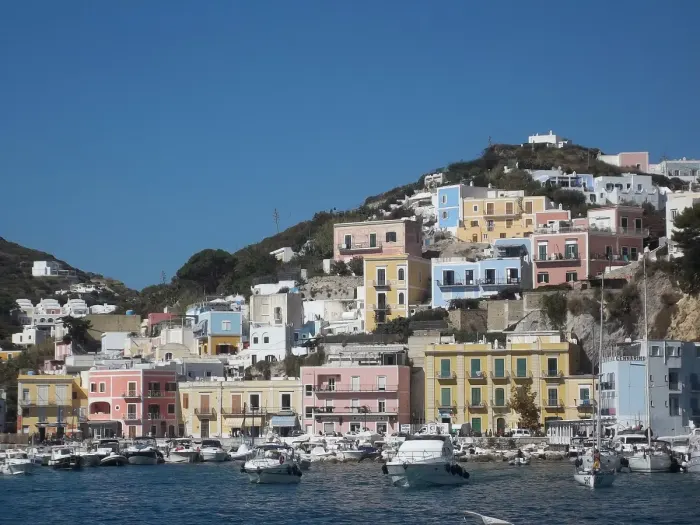
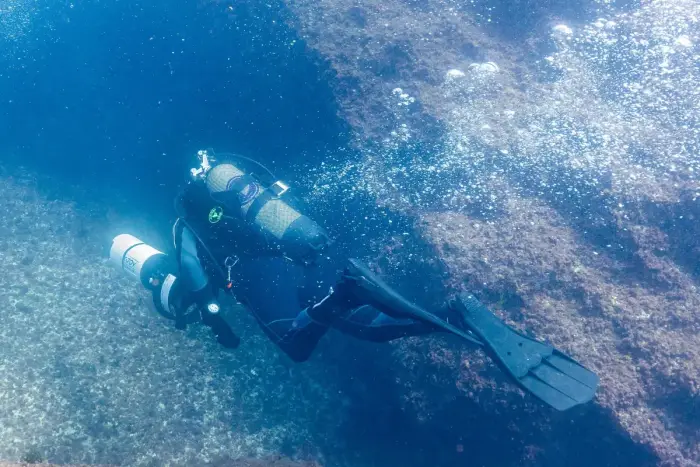
The best water is around Ponza, out in the Pontine islands — volcanic, deep and startlingly clear, with caves and walls. On the mainland, Santa Marinella and the southern coast around Gaeta run guided dives and courses all through the warm months.
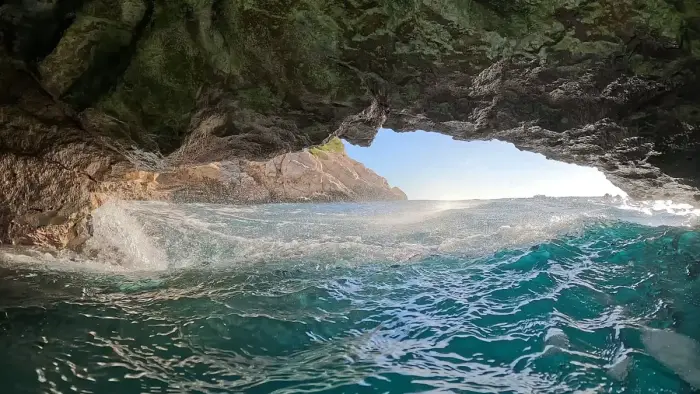
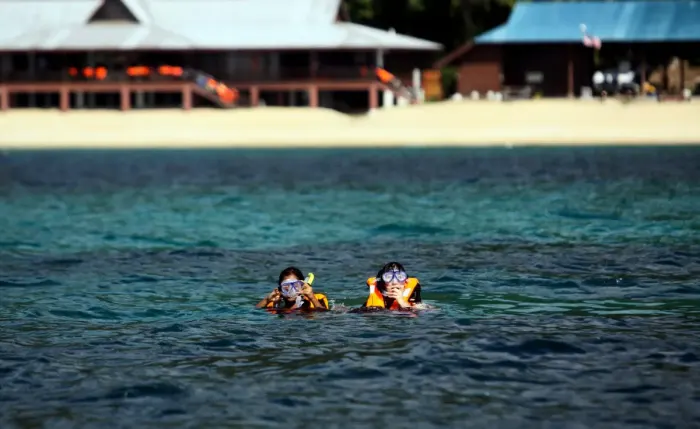
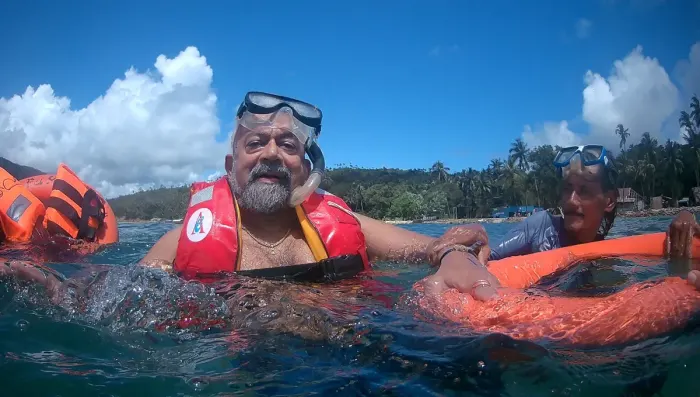
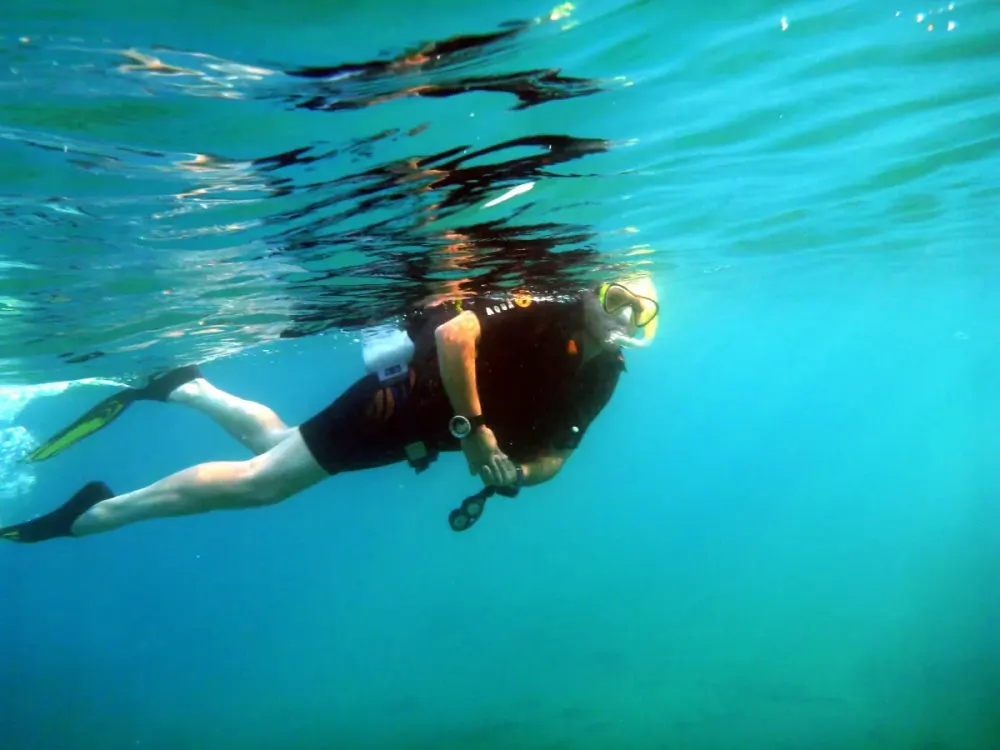
For non-divers: the snorkelling here is excellent and needs nothing. A mask, a boat and a cove, and the same caves everybody else pays for tanks to see.
Three different kinds of water, and they suit different people. The islands are the serious diving: volcanic walls, caves, wrecks and visibility this coast does not otherwise offer. The mainland coast is where the courses and the first dives happen, because the centres are there and the logistics are simple. And Lake Bolsena is the unexpected one — a volcanic crater with a flat bottom, no swell and no current, which is why a good many Roman divers actually learn there.
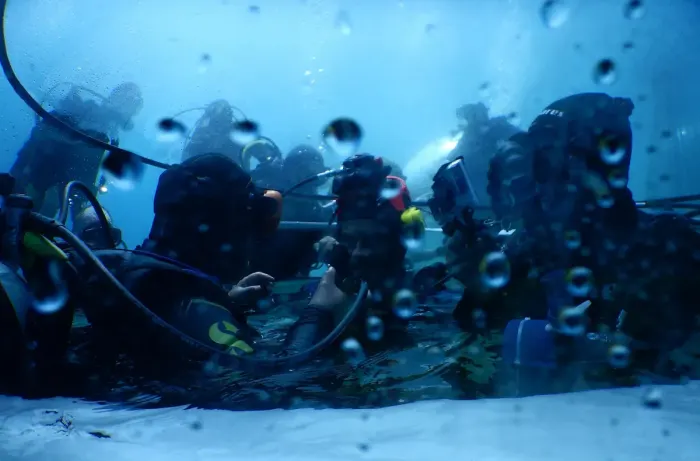
For a first dive, none of this needs a qualification. Several centres run a supervised discovery dive where an instructor holds on to you and you breathe underwater for twenty minutes, which is enough to find out whether you want the rest. Medical and age requirements are the centre's and are on the card.
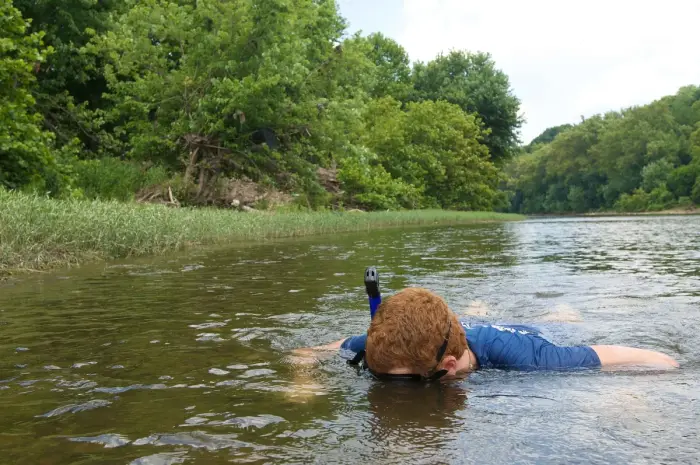
Snorkelling is the undervalued half of this page. This coast was an imperial resort, a great deal of what fell into the sea is still there, and much of it is at a depth you can reach on one breath. A mask, a boat and a cove is most of what is needed, and the boat trips exist because the best coves have no road to them.
 On the water