Solo travel in Italy is easy right up to the moment somebody asks how many for lunch. The country outside Rome handles it better than the city does: the operators are small, the groups are small, and by the second hour of a walk or a tasting nobody is counting.
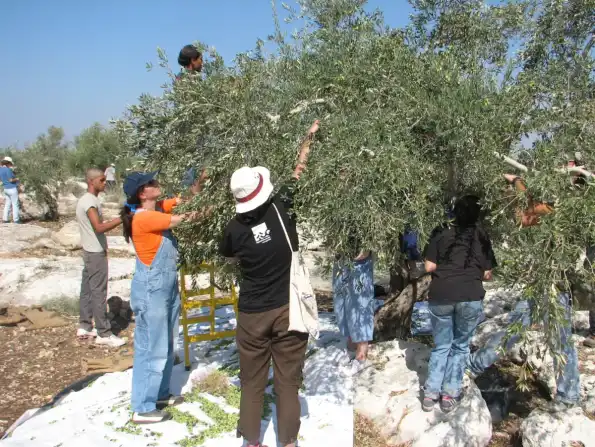
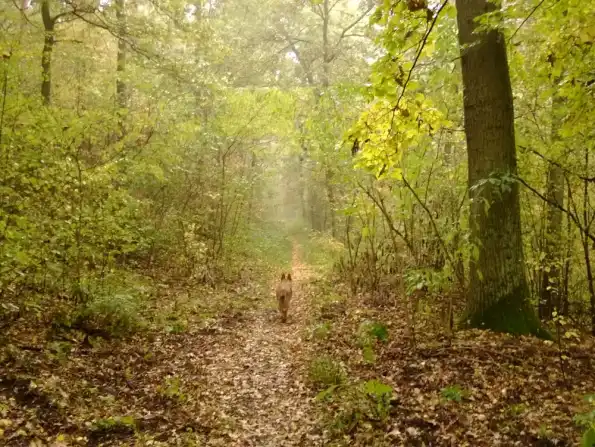
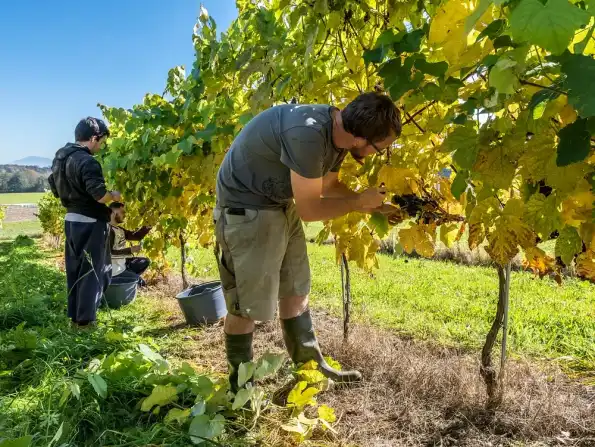
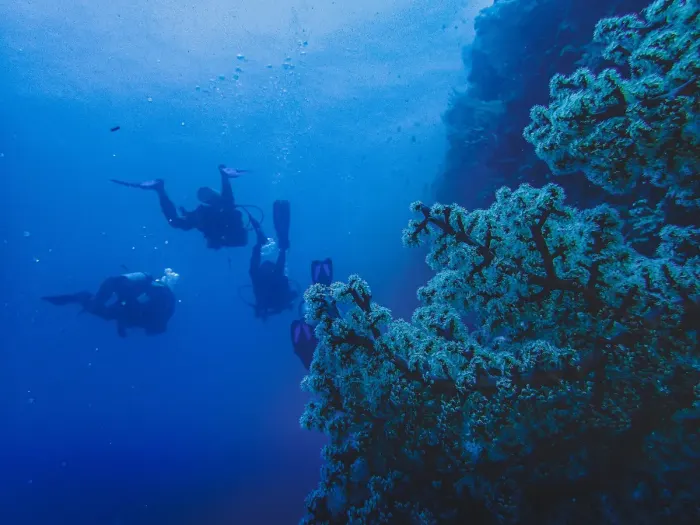
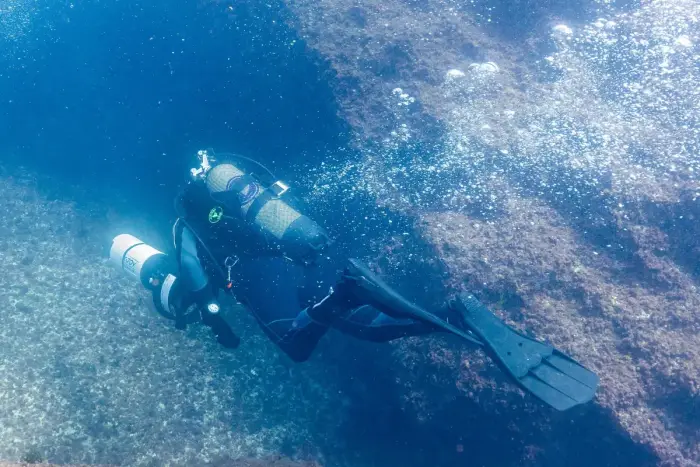
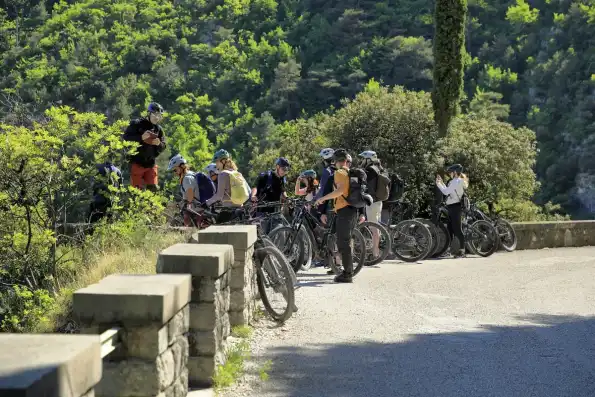
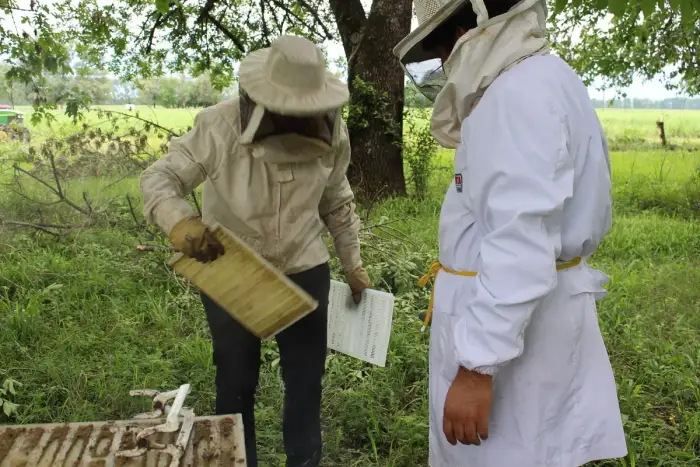
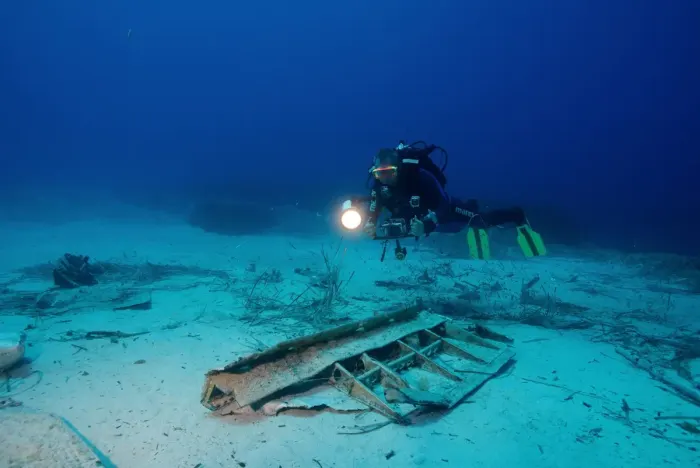
The things that work best are the ones with a shared task — a cooking lesson, a harvest day, a guided walk, a dive course. You arrive alone and you spend the day with six other people, which is a different thing from eating alone in a restaurant.
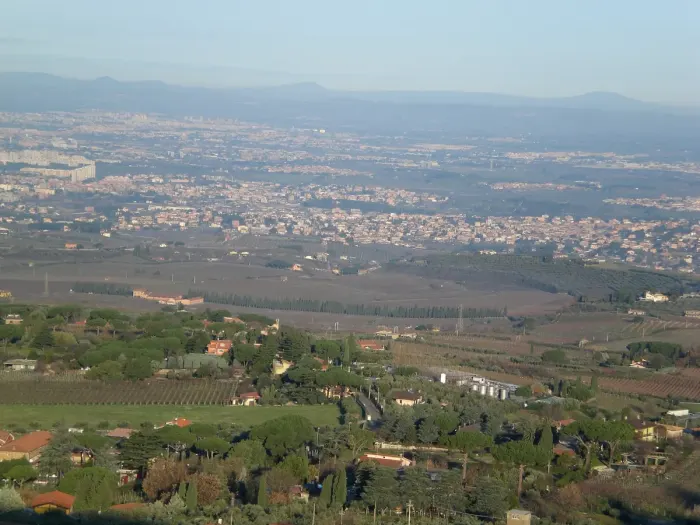
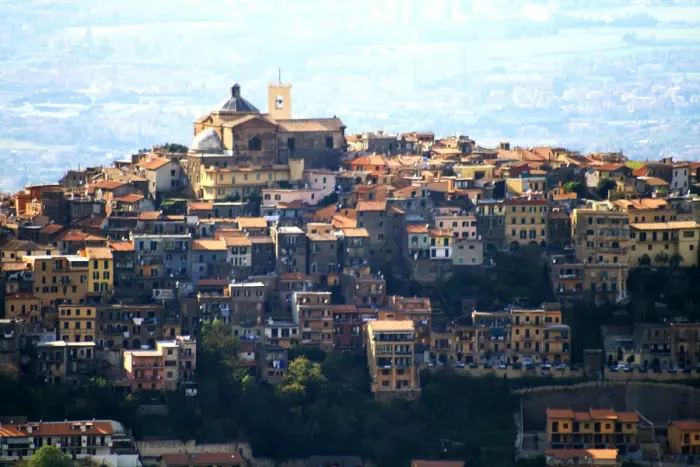
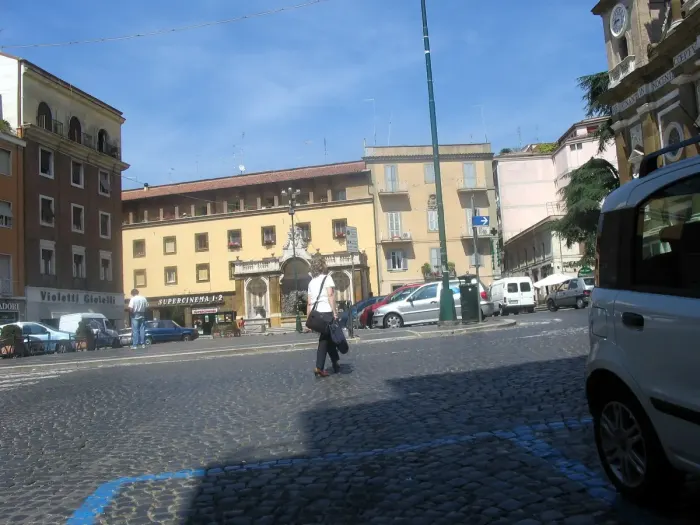
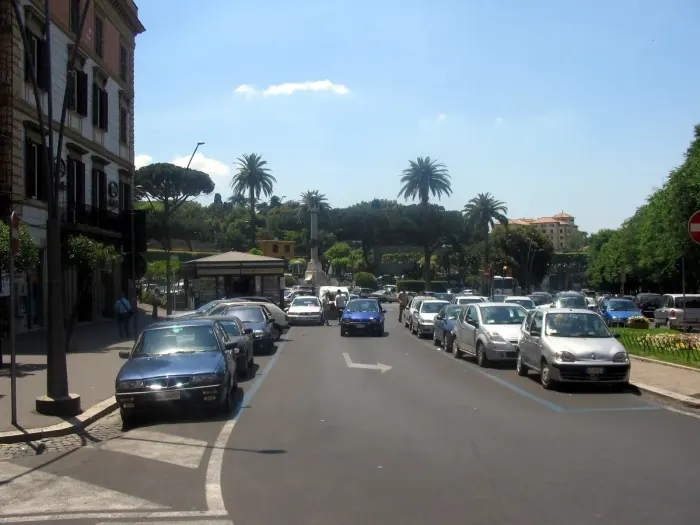
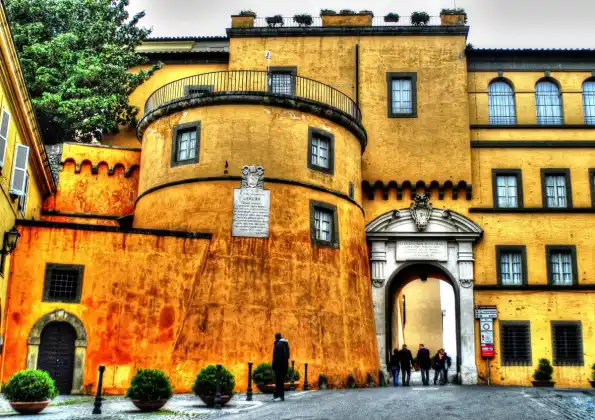
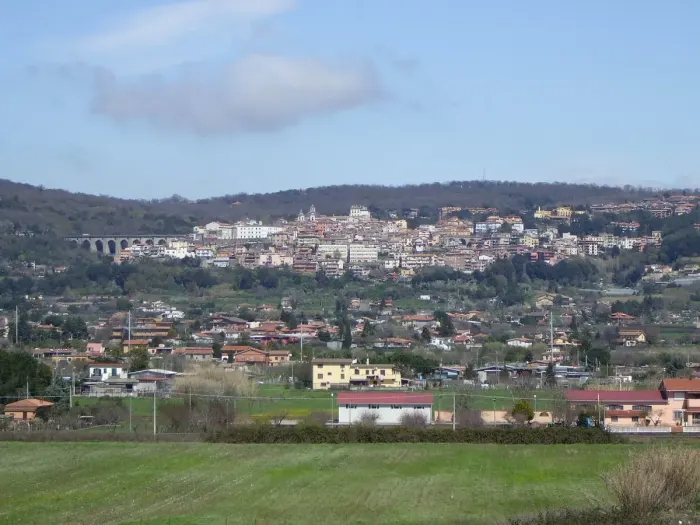
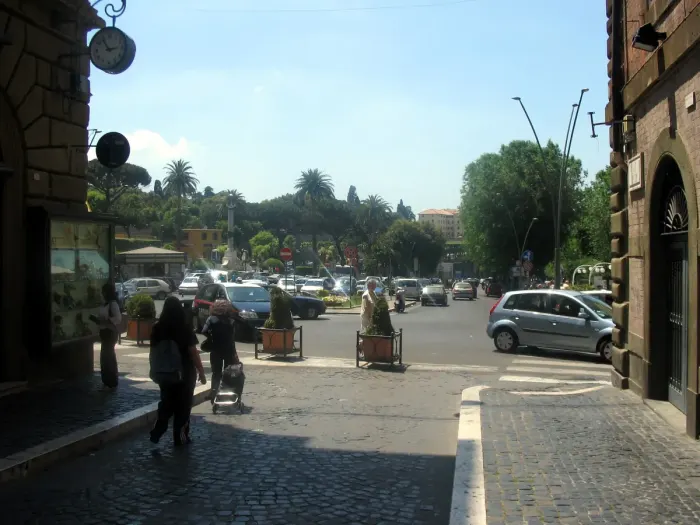
The towns work too. A hill town is a good place to be by yourself for an afternoon: you can walk all of it, sit where you like, and nobody is waiting for you.
Where an operator charges a single supplement or has a minimum number, they will tell you when you ring — that number is on the card.
The structural advantage of doing this outside the city is that everything here is small. A tasting is six people round one table, a cooking class is eight at a bench, a guided walk is a dozen. Nobody has to make an effort to include you because the group is small enough that not talking to you would be conspicuous. That is a completely different experience from a coach.
Two things worth doing when you book. Ring rather than write, if you can — these are family operations and a voice books better than a form. And say you are on your own: it is not an apology, it changes where they seat you and it usually gets you talked to more rather than less.
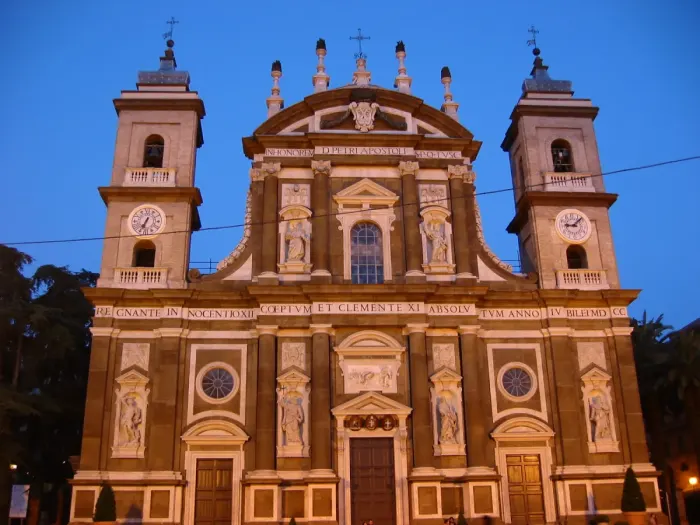
On the practical side, the constraint that actually bites is the driving. A day that ends in a cellar is harder to arrange alone, since there is nobody to hand the keys to. Frascati and the near Castelli have trains, several operators there meet the station, and a driver for the afternoon is a real option even for one — it is the version worth pricing before assuming it is out of reach.
 With your hands