 With your hands
Farm and mill visit with tasting, Sabina DOP
A Sabina DOP oil producer that opens its mill and its centuries-old groves to visitors with a tasting.
See the day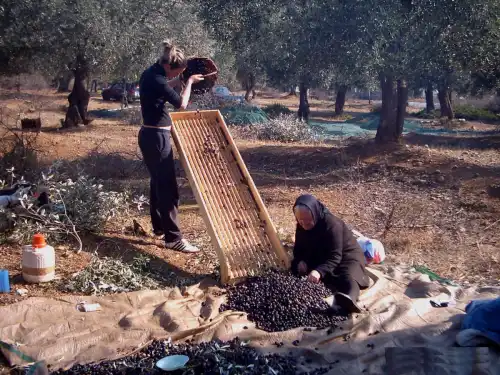
Oil
The Sabina hills north-east of Rome have been pressing oil since before the city was anything much. You can taste the difference and, in autumn, help make it.
28 things to book11 placesthe nearest is a 50 min drive from Rome
Wine tourism took forty years to get organised in Italy; oil tourism is only doing it now, which is why these days are still small and still cheap and still run by the family who own the trees. It is the same country as the wine, on the other side of the hills.
A proper tasting is nothing like pouring oil on bread. You are given it warm, in a small glass, and you are taught what a defect tastes like before you are shown what good tastes like — after which the supermarket bottle at home is finished for you forever. It takes about an hour and it is genuinely a skill.
In late autumn the same estates open the harvest to visitors. You pick, you go with the crop to the mill, and you eat the new oil the same day on bread toasted over a fire. If you are in Rome in October or November, it is the best-value day in this part of Italy.
The geography is simple and it is worth knowing before you pick a card. The Sabina is the hill country between Rome and Rieti, an hour north-east, and it is terraced with silver trees, some of them very old indeed. It has its own denomination and it is where most of these days happen. The Tuscia to the north-west and the hills above Amelia over the Umbrian border are the other two, and both are quieter again.
What a visit consists of: the grove, usually on a walk with whoever planted or inherited it; the mill, which in season is running and is louder and more industrial than people expect; and the tasting, which is the part that changes how you shop. A few of these estates run proper tasting courses with a professional panel, which is a serious qualification rather than a marketing phrase.
On taking oil home: most estates sell it and will pack it for a case. What travels badly is heat and light, so buy it on the way out rather than at the start of a hot day. Rules on carrying liquids are your airline's rather than ours, and worth checking with them rather than trusting anybody's blog.
The full circuit: the trees, the machinery that presses them, and a tasting where somebody teaches you what you are looking for.
Best fit for this section first, then whatever you can book today. Closest to Rome breaks a tie. Never by who pays us.
With your handsA Sabina DOP oil producer that opens its mill and its centuries-old groves to visitors with a tasting.
See the day With your hands
A walk through the olive groves, a visit to the olive mill and a tasting session, run by a Sabina oil producer.
See the day With your hands
A walk among DOP Sabina and IGP Olio di Roma olive trees where a technician explains the native cultivars, then the mill where the extraction is shown step by step, and finally …
See the day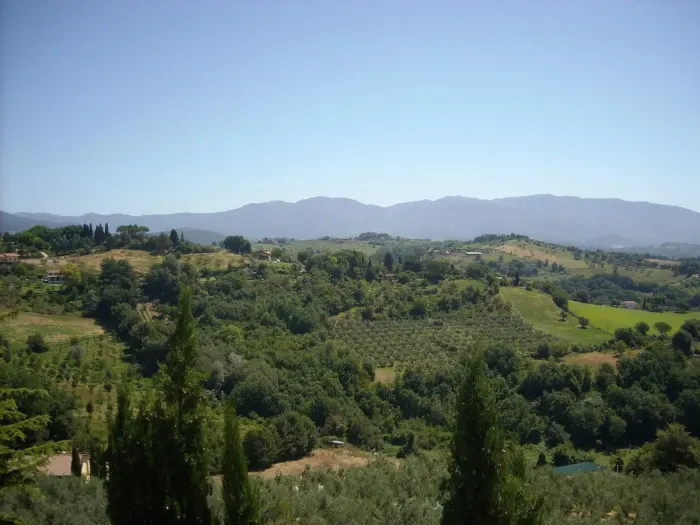 With your hands
A hands-on day picking olives in the Sabina hills, followed by sorting and selecting the fruit to be sent for milling.
See the day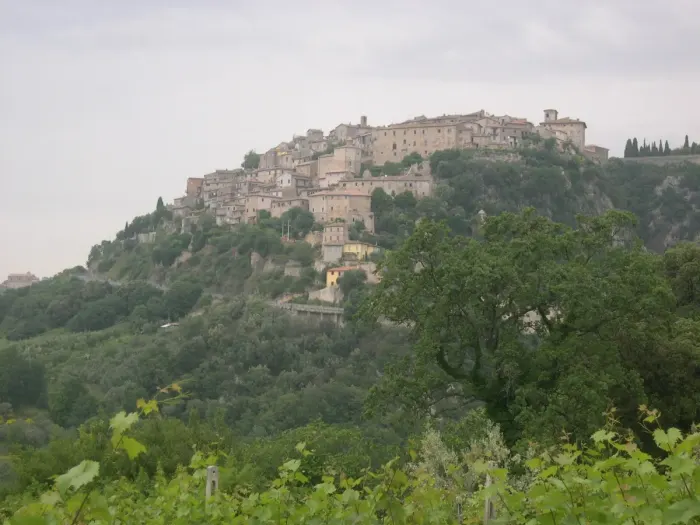 With your hands
A walk through an organic olive grove with the farmer, covering the farming year from pruning to harvest, then an interactive tasting of four Italian extra virgin olive oils led…
See the day
With your handsAn evening at an organic olive farm in the Sabina: a walk through the grove, a guided tasting of the farm's oils and a light supper with olive oil pairings and drinks.
See the day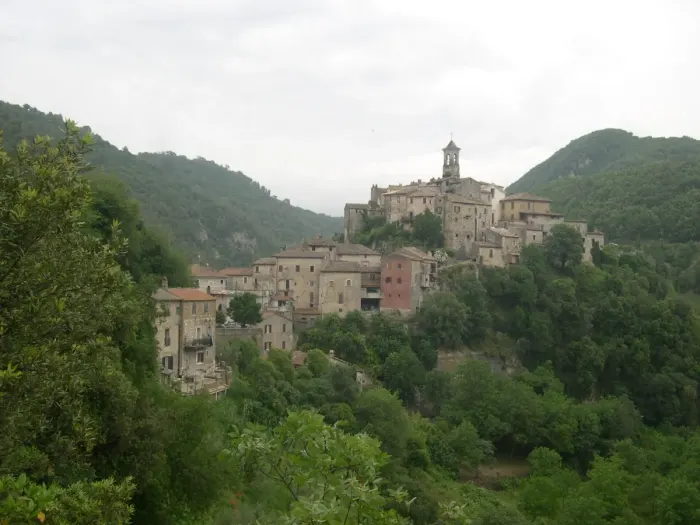 With your hands
A longer day at the farm: the history of the estate and its year-round organic methods, an extended tasting of a range of Italian oils, and lunch.
See the day
With your handsA guided walk through the organic olive grove followed by an interactive tasting of four Italian extra virgin olive oils, led by an olive oil sommelier.
See the day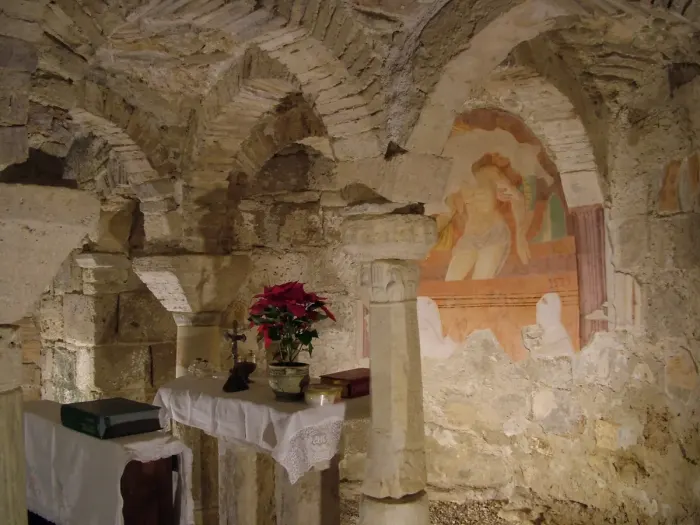 With your hands
A walk through themed gardens and organic olive groves at Collevecchio, ending with a tasting of the farm's oil and local products under a large olive tree.
See the day With your hands
An advanced tasting session led by an official tasting panel recognised by the Italian ministry of agriculture, ending in the tasting room at Castelnuovo di Farfa.
See the day With your hands
A proper tasting course, not a sales pitch, run by Cristina Falcinelli — a professional taster of olive oil and table olives and a member of UMAO, the Mediterranean union of oil…
See the day With your hands
A ten-hour day out of Rome with a private driver: your choice between Caprarola with the Farnese palace or Sutri with the Roman amphitheatre and Etruscan necropolis, then an oli…
See the day With your hands
The Suatoni family mill at Amelia opens the Rajo grove, planted with a local cultivar the Romans already knew and now backed by a Slow Food community.
See the day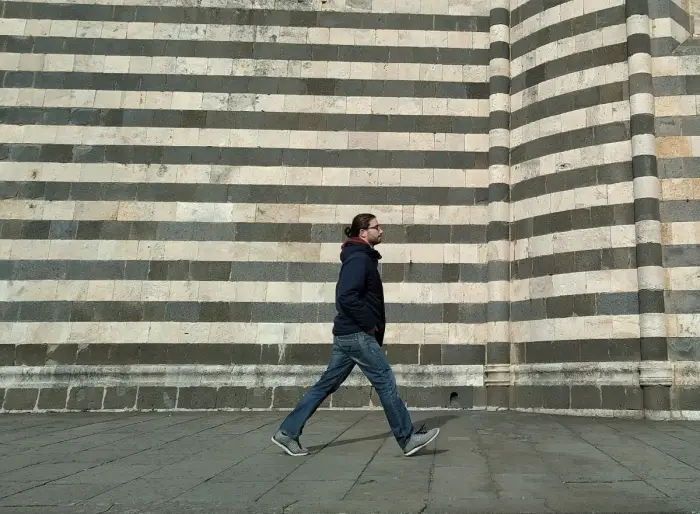 With your hands
The same Bartolomei oils as at the Montecchio mill, tasted in the middle of Orvieto's old town between the Duomo and the Torre del Moro.
See the dayThe hills between Rome and Rieti: silver trees on terraces, some of them ancient, and a denomination that predates most of the famous ones.
Best fit for this section first, then whatever you can book today. Closest to Rome breaks a tie. Never by who pays us.
 In the hot water
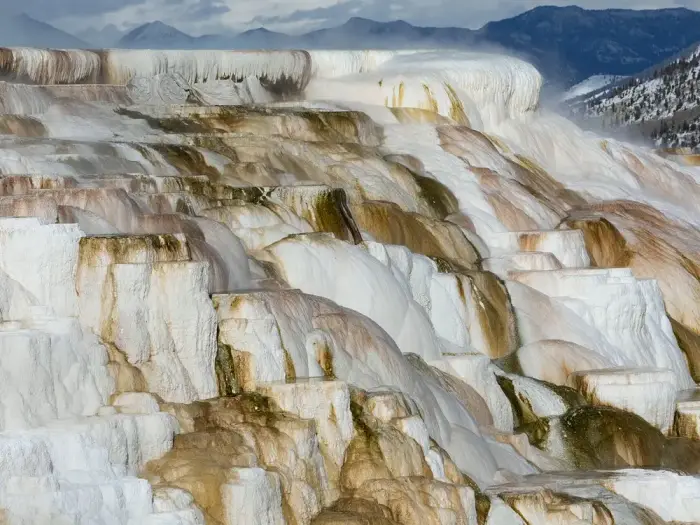
Sulphur pools open till 18:30, and the operator publishes the train to get there.
€12 per person
Books on Terme Sabine di Cretone
See the day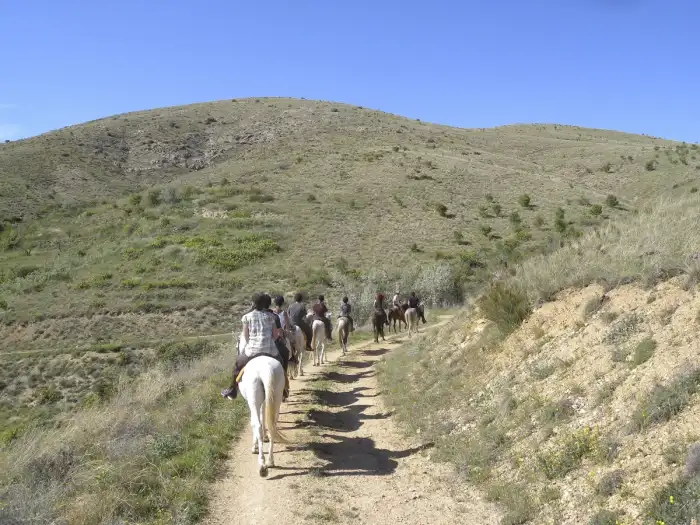 On horseback
The farm runs teaching days for children, families and school groups built around its horses and its farm animals.
See the day In the airTrending
Lift off at first light over the Tiber valley. The transfer from Rome is included.
See the day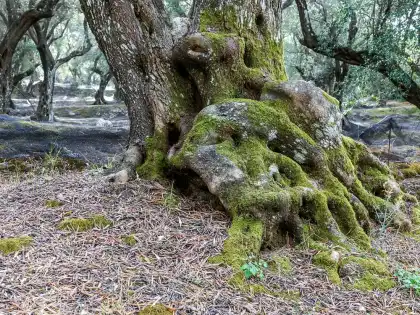 With your hands
Pick olives all morning; lunch and a bottle of their own oil come with the day.
€65 per person
Books on Olive Hill Sabina
See the day
On the trailA monk-run guided tour of one of the great Benedictine abbeys of medieval Europe.
See the day
With your handsThe estate's advanced olive-oil experience, for people who want to go past the introductory tasting.
See the day
With your handsA guided olive-oil experience in the Sabina hills north of Rome, on an estate whose 17th-century farmhouse stands among monumental olive trees.
See the day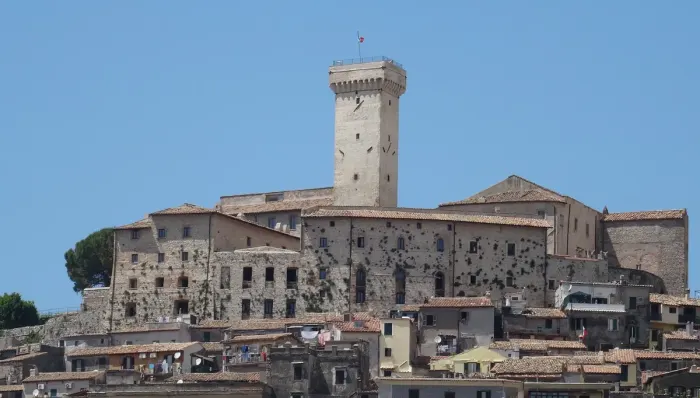 Off road
A two-hour guided quad ride for people who have never ridden one, starting at Palombara Sabina: a quarter on the tarmac road out to Stazzano, then three quarters on dirt.
See the day Off road
Four hours of extreme off-road for people who have ridden a quad before and are fit enough for it.
See the day
Off roadA guided three-hour quad ride starting at Palombara Sabina, in the Monti Lucretili north-east of Rome.
See the day Off road
An afternoon quad ride of three or four hours from Palombara Sabina, timed to reach the viewpoints of the Roman Sabina at sunset - the departure time shifts with the season.
See the day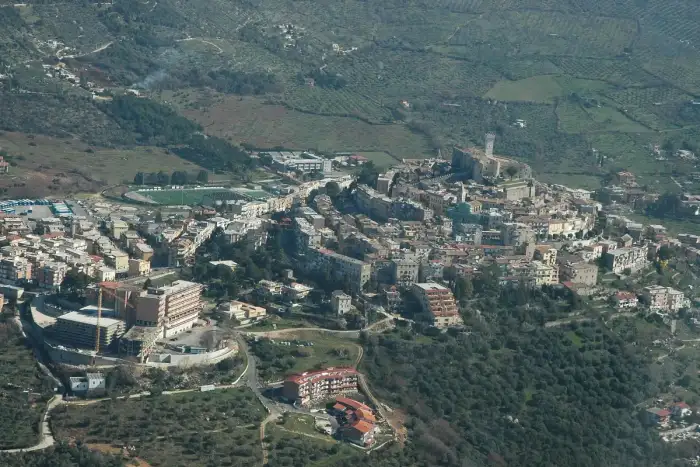 Off road
Two hours on a quad and two hours on foot from Palombara Sabina.
See the day Off road
Three or four hours from Palombara Sabina split in two: two or three hours of guided quad riding, then about an hour in a clearing in the woods with a holistic coach.
See the day In the hot water
Three large sulphur-water pools, one of them for children, continuously fed with fresh water, in the countryside of Palombara Sabina about 30 km from Rome.
See the dayDriving time from the middle of Rome, on the road network and without traffic. It tells you whether the day stands up; it is not a timetable.
Getting there
The day stays yours: you leave when you want, stop where you want, and come back when the light goes.
Affiliate link — you pay their price, never more, and they pay us. You book with Localrent, and anything about that booking goes through them.
See prices on LocalrentThere is wine at the end of this one. Somebody else driving is not a luxury here.
Affiliate link — you pay their price, never more, and they pay us. You book with Welcome Pickups, and anything about that booking goes through them.
See prices on Welcome PickupsLate autumn, and the exact weeks move every year with the weather and the variety — which is why the estates announce it rather than schedule it. If you are here in that part of the year, the card carries the operator's own number: one call settles it.
It is shorter, cheaper and more useful. Wine tasting teaches you what you like; oil tasting teaches you what is wrong with what you have been buying, which turns out to be more practical.
Most estates sell it and will pack it for a suitcase. Rules on carrying liquids depend on how you are flying, so ask them and check with your airline rather than trusting us on it.
The harvest days are: it is a day outdoors, in trees, with nets and ladders and a fire at the end. A seated tasting is less so.
Mainly in the Sabina, the terraced hills between Rome and Rieti, which has its own denomination and has been pressing oil for a very long time. Also in the Tuscia around Vetralla and Farnese, and over the Umbrian border above Amelia.
You are given oil warm, in a small dark glass, and taught to smell it, to sip it with air, and to recognise a defect before you are shown what good tastes like. It takes about an hour, it is a genuine skill, and it is cheaper than a wine tasting.
Yes, and in harvest season you can see it running, which is the version worth timing a trip for. Several estates sell the full circuit — grove, mill and tasting — as one visit, and a couple will collect you from your hotel in Rome.
It combines better than almost anything else here. The Sabina is an hour out and also holds an abbey, sulphur pools, quad routes and hill villages, so an oil visit in the morning and any of those in the afternoon is a full day within one short drive.
Several are and say so on the card, including a professional tasting course that runs in Italian or English. Where a language is not declared we leave it blank rather than assuming, and the operator's number is the fast way to check.
Links marked affiliate pay us a commission — you pay the operator's own price and we never take your money. How we rank