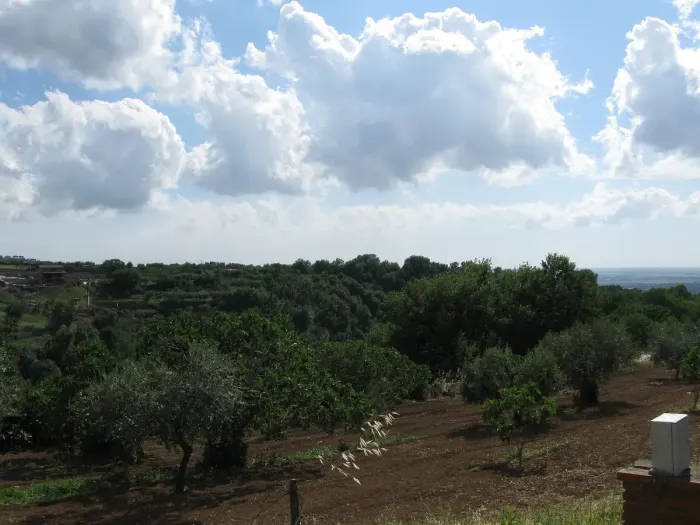
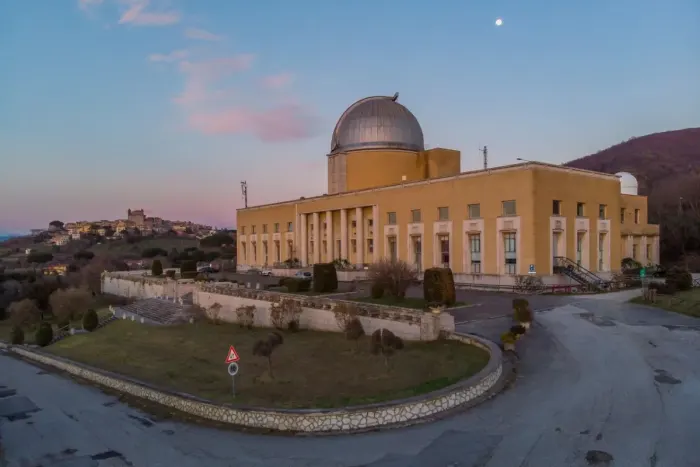
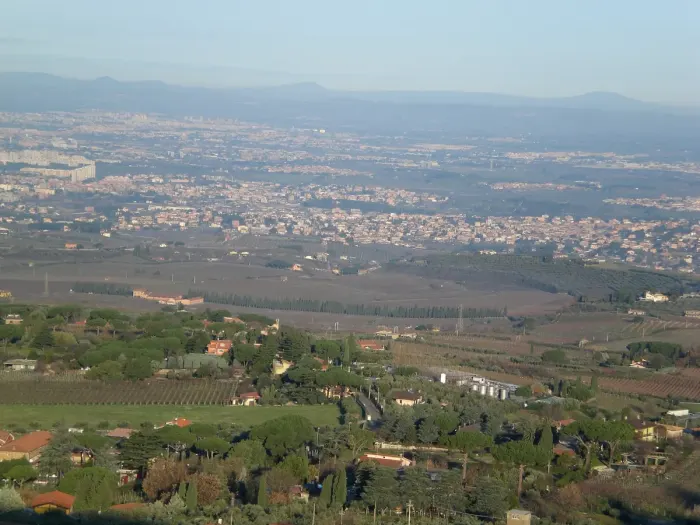
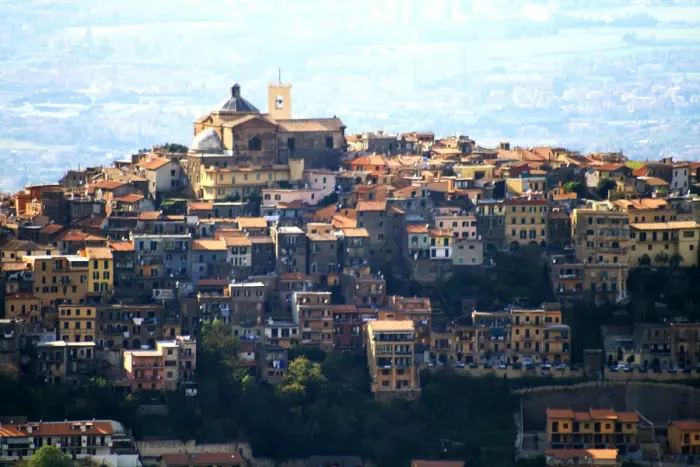
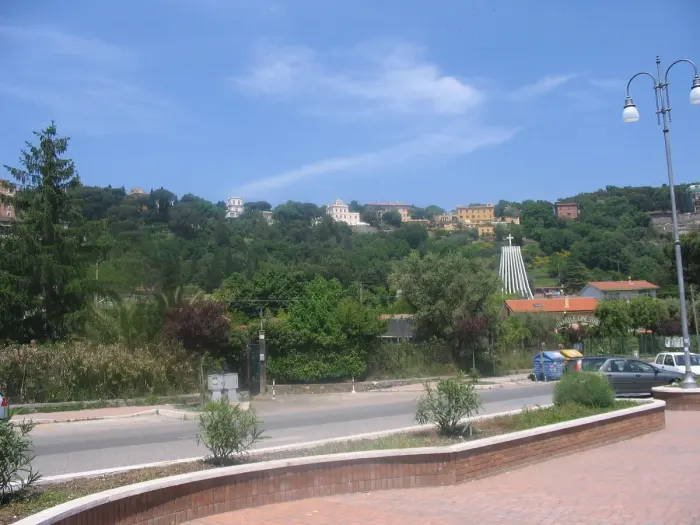
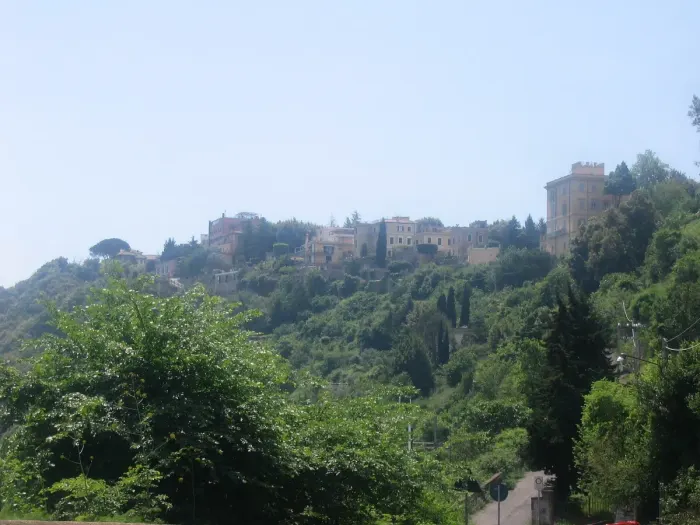
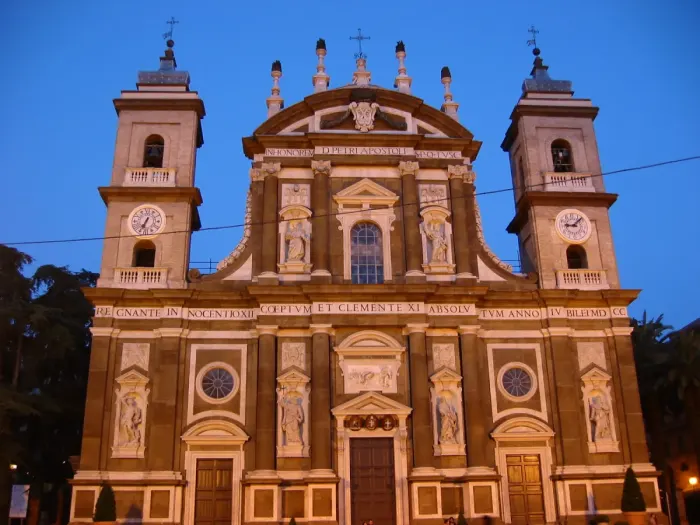
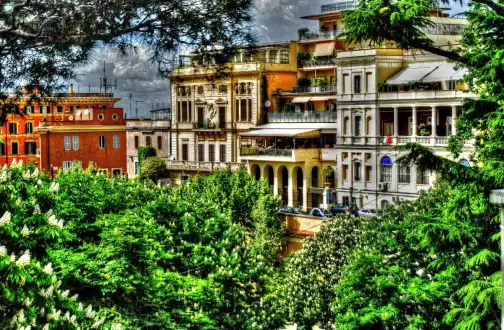
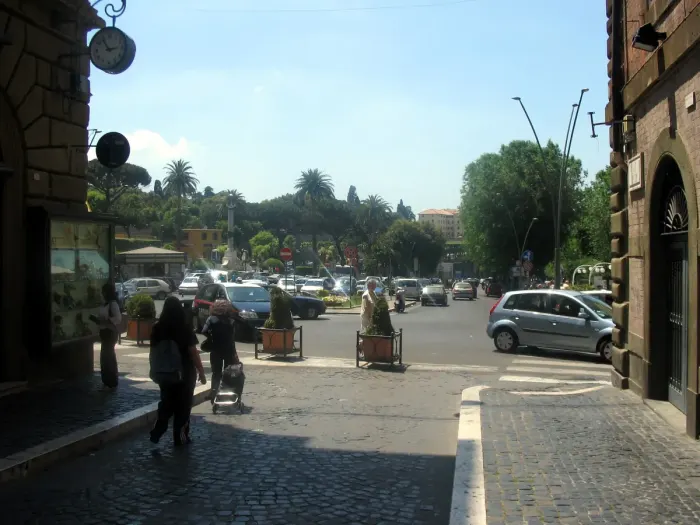
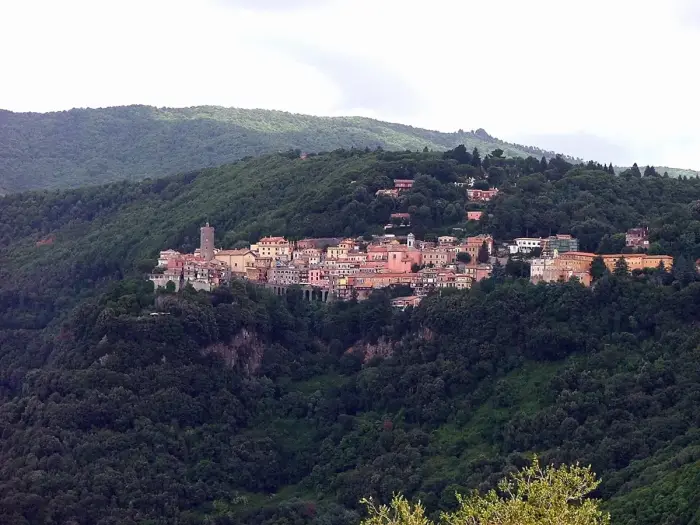
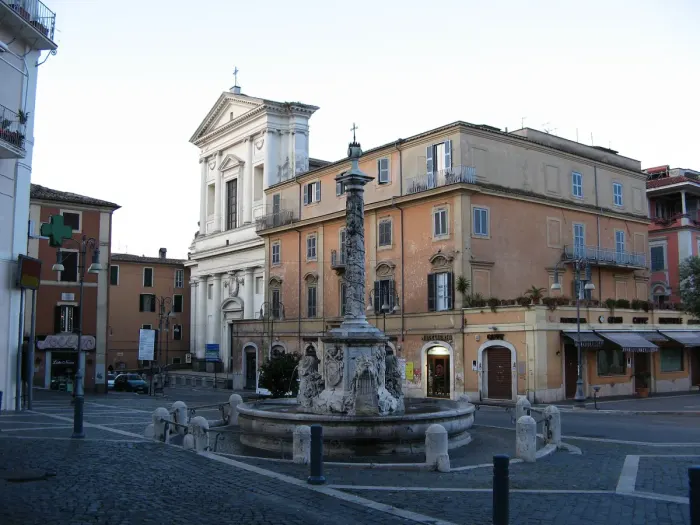
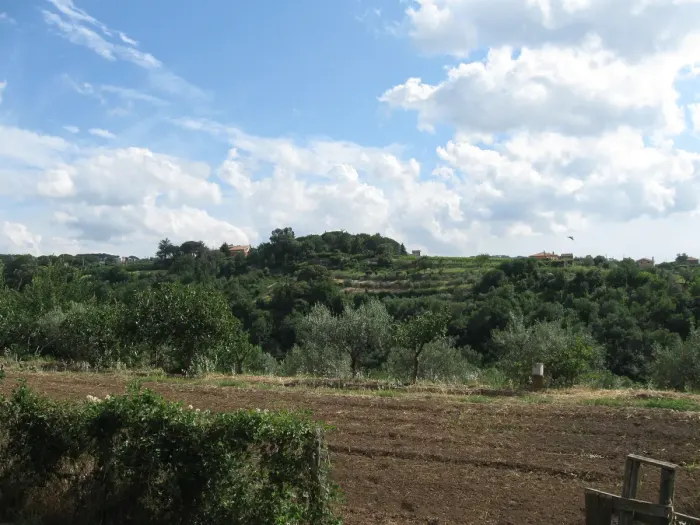
The Alban Hills are one enormous collapsed volcano, and the towns stand around its rim looking down into it. Half an hour from the middle of Rome you are among vines, a few hundred metres up, with the whole city laid out below you and the temperature several degrees lower than it was.
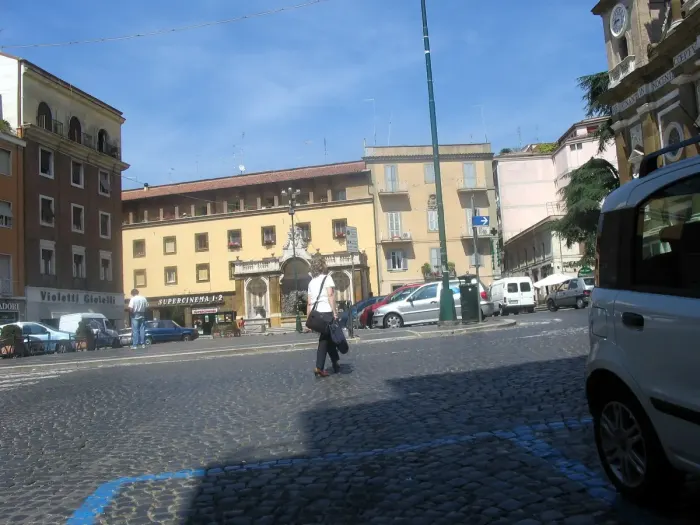
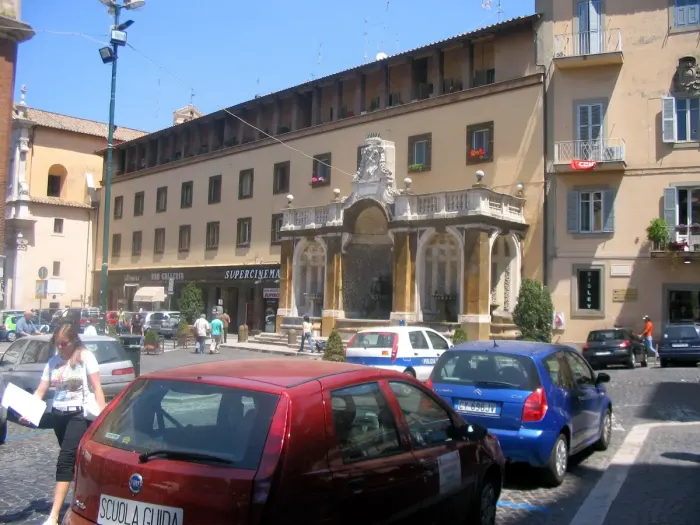
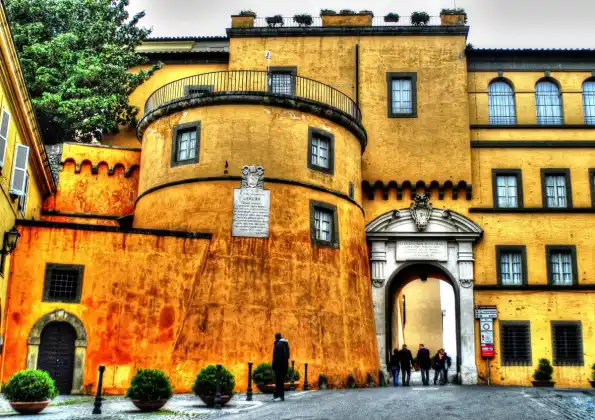
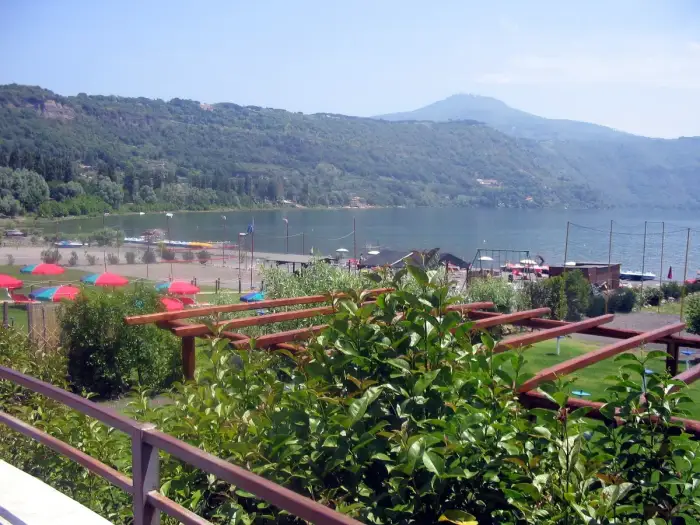
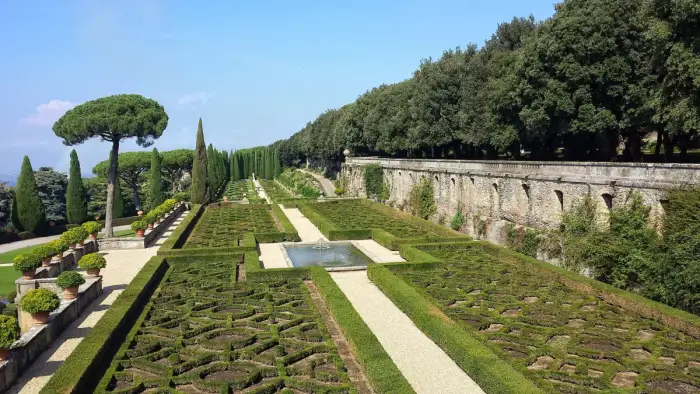
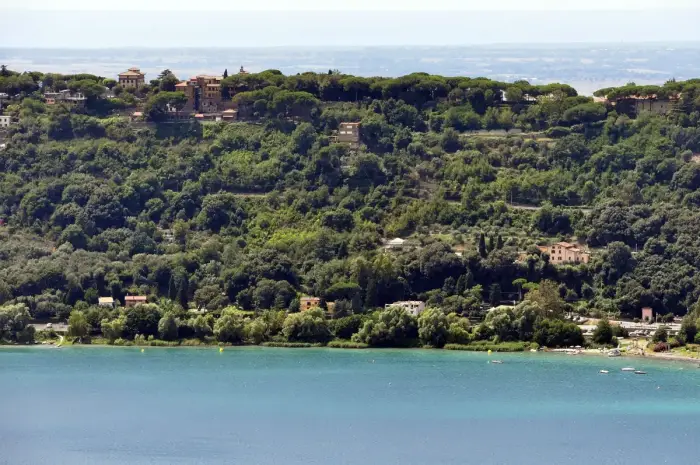
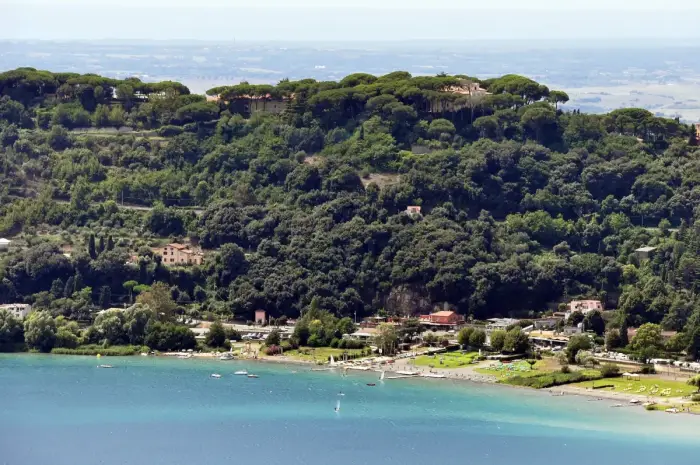
Each town does something. Frascati is wine, and the estates run tastings on terraces facing Rome. Castel Gandolfo is the papal palace and its gardens, above Lake Albano. Nemi looks down on the smaller crater lake, the one Caligula floated two enormous ships on. Ariccia is porchetta, taken very seriously, eaten in wooden-tabled places called fraschette. Rocca di Papa is the highest and the coolest, with the ridge above it.
This is the day to take if you have one day and no ambition to drive far. It also works in the evening, which is when the terraces are at their best.
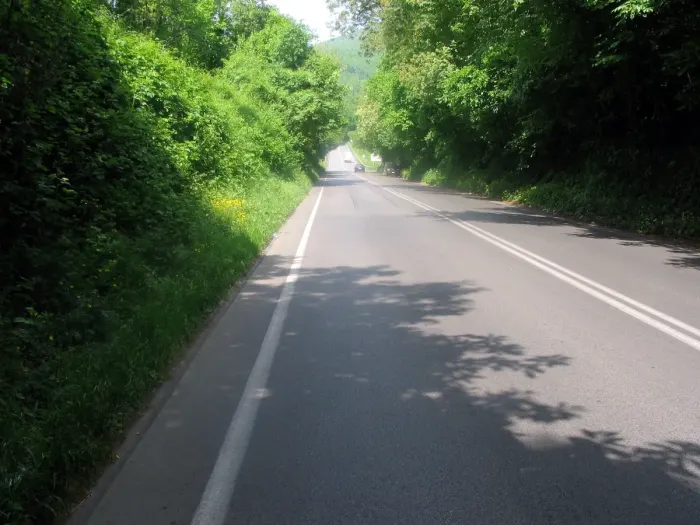
The towns are twenty minutes apart on small roads. It is the classic case for a driver, particularly given what most people come here to drink.
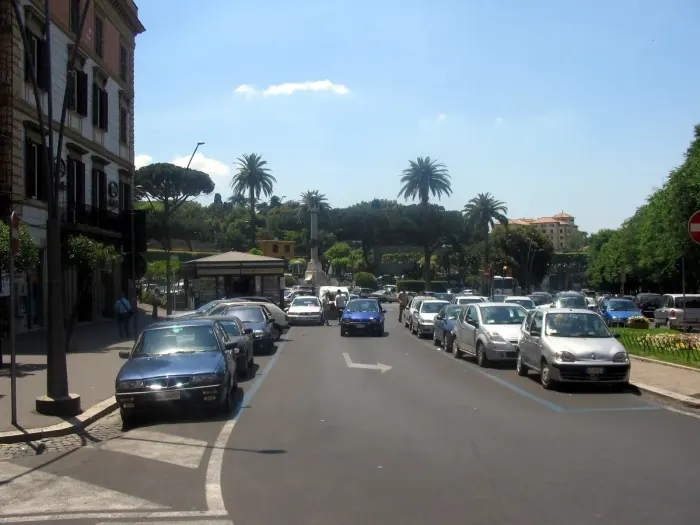
The practical shape of a Castelli day is a town, a lake and a table, in whatever order suits the weather. Frascati and Grottaferrata are the closest and the best supplied with places that will feed you; Castel Gandolfo and Nemi look down on the two lakes; Rocca di Papa is the highest and has the ridge walk above it. None of them is more than twenty minutes from the others, so a day here is not a route so much as a small area you wander around.
Wine is the reason a lot of people come, and it is worth knowing that Frascati is a denomination rather than a single estate. The tastings run from seventy-five minutes among the vines to a whole afternoon with lunch, several of them are set up to start at the railway station, and a number are run in English. That combination — train, cellar, English, half an hour from the city — makes it the easiest wine day anywhere near Rome.
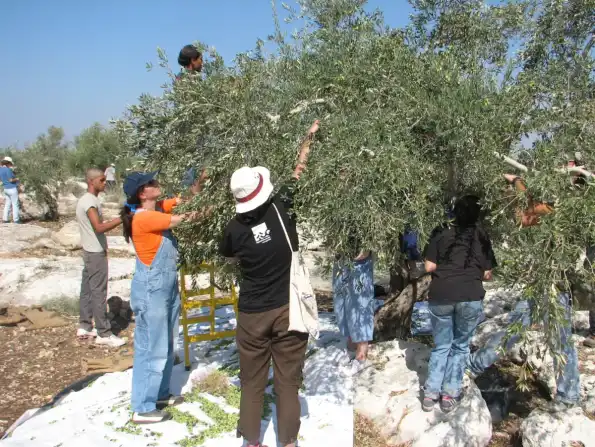
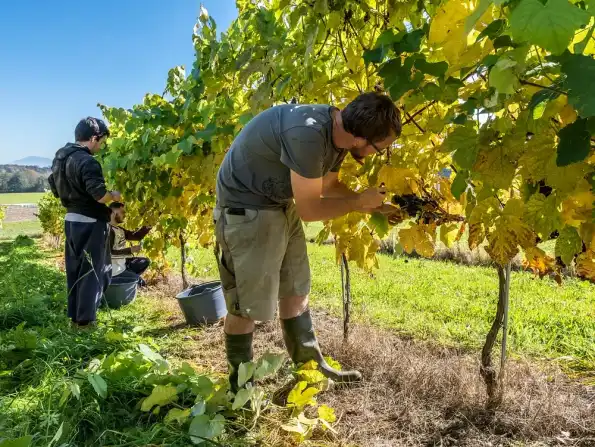
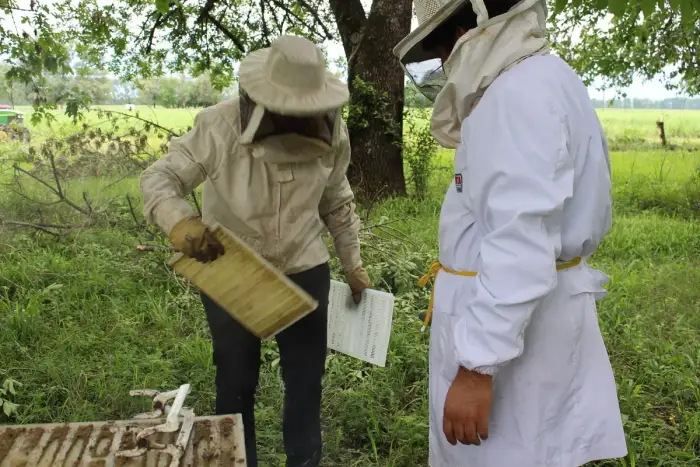
Two seasonal notes that change the day. In late summer the estates run harvest days where you pick, which is the version of a tasting that children can also join. And in July and August the hills are several degrees cooler than the city, which is precisely why the towns are there: Romans have been escaping up here since antiquity, and they still do it in the evening.
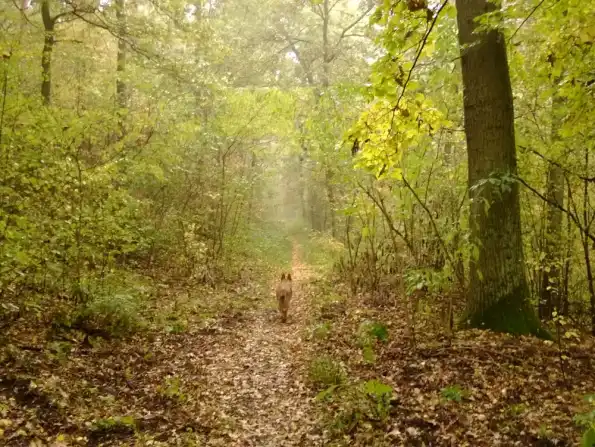
 On the trail